


A down payment is only one line in a Chicago home-buying budget. From inspections and lender charges to condo assessments, prepaid taxes, and moving logistics, knowing the other costs early can help you compare homes with clearer expectations and avoid last-minute surprises at closing.
Start With the Full Cash-to-Close Picture
Saving for a down payment is a major milestone, but it is not the entire financial picture for a first home purchase in Chicago. The amount needed at closing can include lender-required costs, third-party services, prepaid items, and property-specific expenses that vary by loan program, building type, and contract terms. A clear budget does not mean predicting every dollar perfectly; it means leaving room for the expenses that regularly appear between an accepted offer and move-in day.
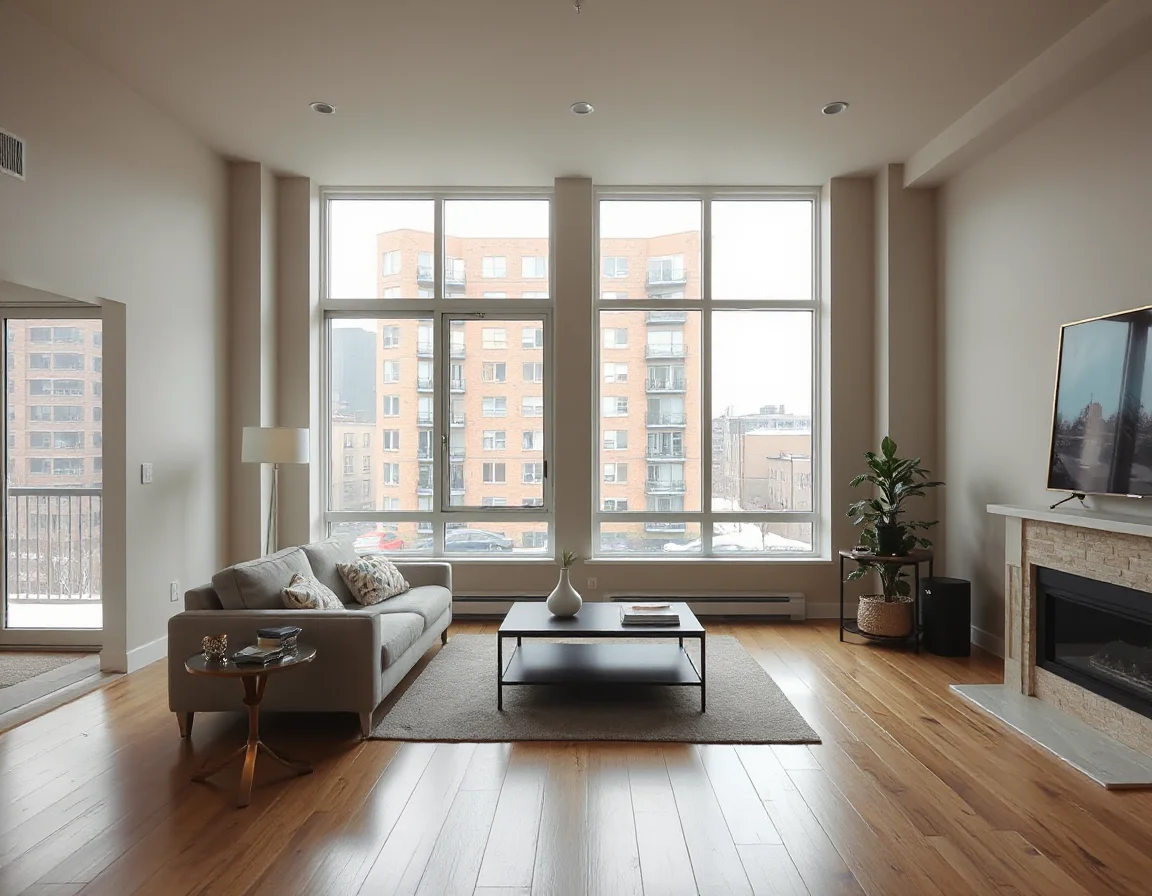
1. Earnest money. This is the good-faith deposit submitted after an offer is accepted, according to the terms of the contract. It is not necessarily an extra fee: when the transaction closes, earnest money is generally credited toward the buyer’s required funds. Still, it is cash that must be available early in the process. The contract identifies the amount, timing, and escrow holder, so buyers should understand those details before making an offer.
2. The home inspection. A licensed inspector evaluates visible and accessible systems and conditions, helping a buyer understand the property beyond its finishes and floor plan. Inspection fees vary based on property size, type, age, and any specialized evaluations that may be recommended. In a condo purchase, the inspection typically focuses on the individual unit, while the association is responsible for common elements; reviewing the association documents remains an important separate step.
For older Chicago homes, an inspector may suggest follow-up review by a qualified electrician, plumber, roofer, chimney professional, HVAC technician, or structural specialist. Those additional opinions can cost money, but they can also help buyers make more informed decisions during the inspection period. Rather than treating an inspection as a pass-or-fail test, use it as a practical planning tool for repairs, maintenance, and questions to raise with the seller.
A realistic first-time buyer budget includes both transaction costs and a reserve for the first few months of ownership, when smaller repairs, utility setup, and furnishing needs often arrive at once.
Lender, Appraisal, and Title Expenses
3. Appraisal and lender fees. When financing is involved, the lender typically orders an appraisal to help confirm the property’s value for the loan. The appraisal fee is commonly paid by the buyer, though the timing can depend on the lender’s process. Loan estimates also outline potential charges such as origination fees, underwriting, credit reports, processing, and other services connected to the mortgage. Comparing loan estimates carefully can make it easier to see both the interest rate and the total cost of financing.
4. Title and closing services. A title company helps coordinate the closing, reviews title records, and issues title insurance based on the policy selected and the transaction terms. In Illinois, local customs and negotiated contract terms can affect which party pays particular title-related charges, so there is no substitute for reviewing the offer paperwork and estimates for the specific purchase. Buyers may also see settlement, recording, wire, courier, or document-related charges on the final closing disclosure.
5. Prepaid taxes, insurance, and escrow deposits. Chicago-area property tax bills and insurance premiums do not always line up neatly with a closing date. Depending on the loan and closing schedule, a buyer may need to prepay homeowners insurance, contribute initial funds to an escrow account, or reimburse amounts connected to taxes and other prorated costs. These figures can change with the purchase date, property tax history, lender requirements, and insurance selection. Ask for an updated estimate before the end of the inspection period and again as closing approaches.
Property taxes deserve special attention because assessed values, exemptions, and future tax bills can differ from a seller’s current situation. A lender, attorney, or tax professional can help explain the estimates being used, but buyers should also build flexibility into their monthly budget rather than relying on a single historical bill as a permanent number.
Chicago Ownership Costs That Continue After Closing
6. Condo assessments, reserves, and building documents. Many Chicago homes are condominiums, townhomes, or properties governed by an association. Monthly assessments may support services and common-area maintenance, but buyers should look beyond the monthly amount. Association budgets, reserve balances, meeting minutes, rules, insurance information, and notices of planned work can add valuable context. A lower monthly assessment does not automatically mean lower long-term costs if significant repairs or capital projects are expected.
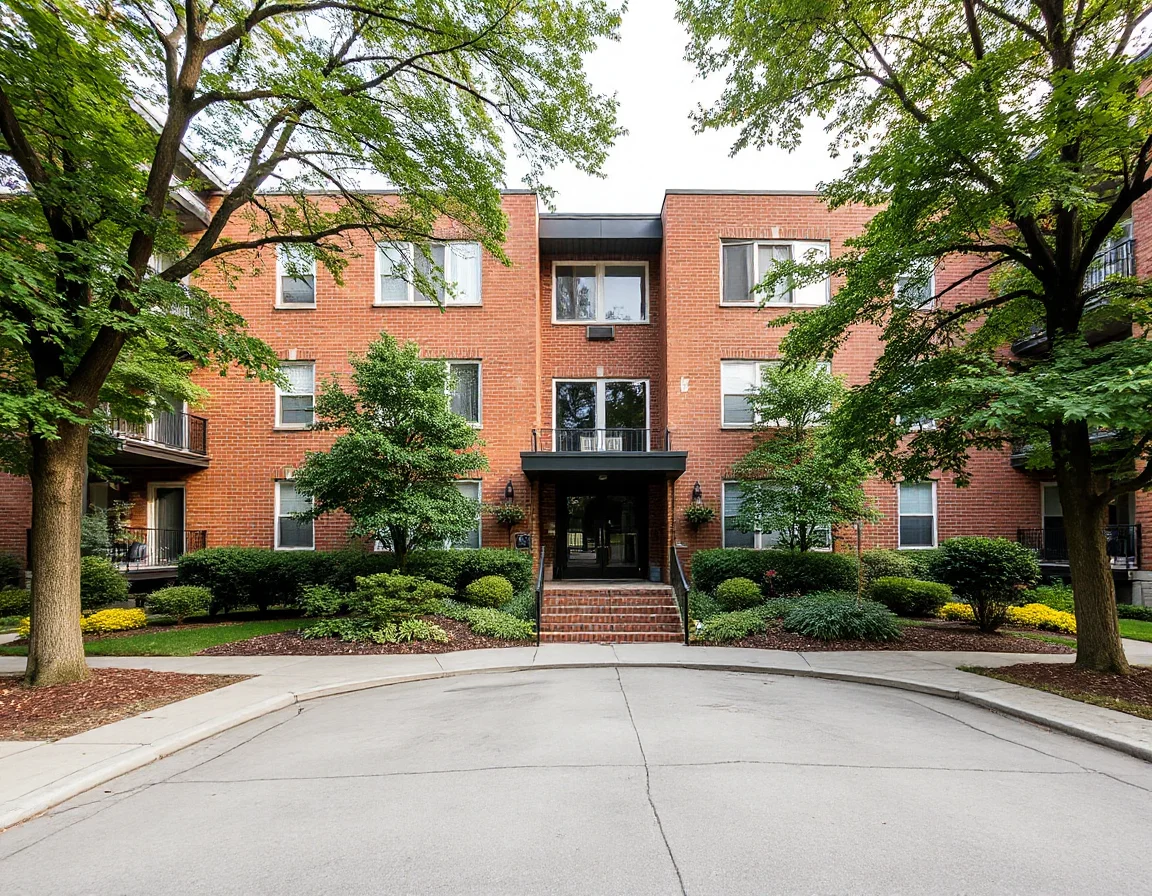
Special assessments are another item to ask about during due diligence. An association may levy one for a specific project or unexpected expense, subject to its governing documents and approval process. Buyers can request available association disclosures and review them with their real estate attorney. The goal is not to avoid every building with future maintenance needs—every property requires upkeep—but to understand the condition, financial planning, and responsibilities attached to the home being considered.
7. Moving, setup, and immediate maintenance. The final category often contains the most overlooked expenses. Chicago moves can involve elevator reservations, move-in deposits, loading requirements, parking coordination, building insurance certificates, movers, storage, utility transfers, locks, cleaning, window treatments, and basic tools. A single-family home may bring different first-month needs, such as lawn equipment, snow-removal planning, gutter cleaning, or a service call for a mechanical system.
Set aside funds for the items that make a home functional on day one. Even a well-maintained property may need paint touch-ups, light fixtures, shelving, appliance adjustments, or a few replacement parts. Prioritize health, safety, and weather-related maintenance first; cosmetic projects can often be paced over time. This approach keeps move-in decisions connected to a larger household budget instead of turning the first month into a rush of unplanned purchases.
Build a Budget That Leaves Room to Decide
The most useful estimate is one that is updated as the search becomes more specific. Before touring homes, buyers can speak with a lender about likely cash-to-close ranges and monthly payments. Once a property is under contract, the loan estimate, inspection results, association documents, insurance quote, and attorney review provide a much sharper view. Keep a simple list separating one-time closing costs, recurring monthly costs, and near-term maintenance so each category is easy to compare.
It can also help to decide in advance which costs are flexible and which are not. A rate lock or appraisal may have a deadline, while furnishing upgrades can wait. A building’s assessment is part of the recurring ownership picture, while earnest money is generally applied to funds due at closing if the transaction proceeds under the contract. Knowing the difference helps buyers evaluate options without treating every expense as the same kind of obligation.
When comparing two homes with similar prices, the stronger fit may be the one with clearer association finances, manageable monthly costs, and fewer immediate maintenance priorities—not simply the one with the lower list price.
Buying in Chicago involves many moving parts, but careful preparation turns those costs into information rather than surprises. Ask questions early, review every estimate, and leave a buffer for the items that do not show up on a listing sheet. With a complete view of cash to close and the first year of ownership, buyers can move forward with more confidence in the home and the budget behind it.