
A Gold Coast condo can offer a compelling blend of Chicago location, building amenities, and rental demand, but the purchase price is only one piece of the investment equation. A careful review of HOA expenses, leasing rules, property taxes, financing costs, and realistic rent assumptions can turn a promising listing into a more informed decision. The strongest analysis looks beyond a single projected monthly number and tests how the condo performs over time.
Start With the Building, Not Just the Unit
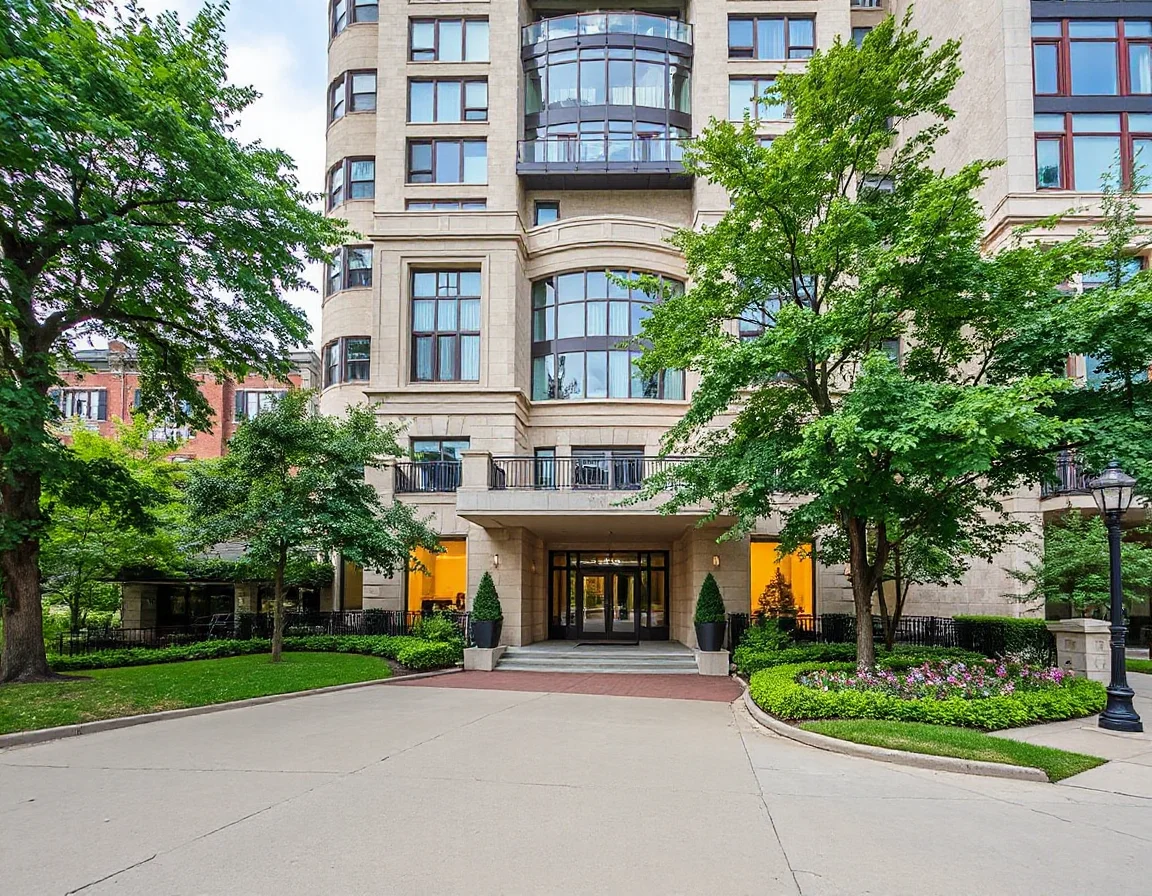
Gold Coast condo investing often begins with a memorable view, a polished lobby, or a well-finished kitchen. Those details matter to prospective renters and future buyers, but an investment decision should begin one level higher: with the building itself. In this part of Chicago, residences range from vintage co-ops and boutique elevator buildings to full-service high-rises with door staff, fitness rooms, receiving areas, roof decks, parking, and lakefront access. Each building carries its own operating structure, financial history, and rules.
Before estimating returns, request the condominium association’s key documents. The budget, reserve balance, recent board meeting minutes, insurance information, assessment history, and rules governing rentals can reveal more than the listing description. A building with stable finances and a clear maintenance plan may be easier to evaluate than one with a lower monthly assessment but unresolved capital projects.
In a high-rise setting, HOA assessments commonly support more than routine landscaping and hallway cleaning. They may cover heat, water, internet or cable packages, building staff, elevators, trash service, common-area utilities, exterior maintenance, insurance for shared elements, and amenity upkeep. The precise inclusions vary widely, so comparing dues without comparing services can lead to an incomplete conclusion.
A higher HOA payment is not automatically a negative. The useful question is whether the assessment reflects services, reserves, and maintenance needs that would otherwise become separate owner expenses.
It is also worth reviewing restrictions before making an offer. Some associations cap the number of rental units, require a lease minimum, charge move fees, request tenant screening materials, or limit short-term rentals. These policies can affect both near-term cash flow and the flexibility to lease the unit later. An investor should confirm that the intended use is permitted rather than relying on assumptions based on nearby buildings.
Build a Complete Monthly Ownership Estimate
A practical condo investment worksheet starts with gross potential rent, then works downward. Begin with an achievable rent based on comparable leased units, not only active listings. Active asking rents show what owners hope to receive; recently leased homes, when available, offer a more useful reference for what the market has supported. Unit condition, floor level, outdoor space, parking, views, furnishing, in-unit laundry, and included utilities can all shape the final number.
From that projected income, account for the recurring expenses that remain the owner’s responsibility. These usually include the mortgage payment if financing is used, property taxes, HOA assessments, landlord insurance, any utilities not covered by the association, parking costs, leasing expenses, maintenance, and a reserve for vacancies or tenant turnover. A modest repair allowance can be especially helpful, even in a professionally managed building, because appliances, plumbing fixtures, paint, and interior finishes still require attention.
Financing deserves the same scrutiny as rent. Interest rate, down payment, loan term, lender fees, and required mortgage insurance can shift monthly cash flow substantially. Condo financing can also involve building-level lender requirements, such as owner-occupancy ratios, insurance standards, reserve funding, or pending special assessments. Speaking with a lender early helps clarify both the buyer’s borrowing range and the building types that may fit that financing plan.
- Gross rent: A realistic monthly lease estimate supported by comparable properties.
- Operating costs: HOA dues, taxes, insurance, utilities, maintenance, and leasing costs.
- Debt service: Principal and interest, plus any applicable mortgage insurance.
- Reserves: Funds set aside for vacancy, repairs, and unexpected ownership expenses.
- Net operating income: Income after operating costs, before mortgage payments.
Looking at the numbers annually can make the analysis easier to understand. Multiply projected rent by twelve, then subtract annual expenses and a vacancy reserve. This produces a clearer picture of the property’s operating performance before debt. From there, compare the result with the total cash invested, including the down payment, closing costs, initial improvements, and furnishing costs if applicable.
Explore buyer representation in Chicago
Measure ROI With More Than One Lens
Return on investment is rarely captured by one metric. Cash flow is important because it shows whether income can support the property’s ongoing costs, but it is only one part of the picture. Investors may also consider cash-on-cash return, capitalization rate, principal paydown, potential appreciation, and the expected cost of selling in the future. Each measurement answers a slightly different question.

Cash-on-cash return compares annual pre-tax cash flow with the cash used to acquire and prepare the home. It can be useful when comparing a condo purchase with other potential uses of investment funds. Cap rate, by contrast, uses net operating income before financing and can help compare properties on a more consistent basis. Neither measure predicts the future, and neither should be calculated without realistic expenses.
Appreciation can influence long-term results, but it should be treated as a possibility rather than a guarantee. Gold Coast values can respond to broader Chicago inventory, interest rates, unit condition, building reputation, monthly assessments, and demand for a particular style of residence. A unit that has been maintained thoughtfully and priced in line with current market conditions may be more resilient than one that depends entirely on future appreciation to justify the purchase.
Consider running three scenarios: conservative, expected, and optimistic. The conservative case might use a lower rent estimate, a longer vacancy period, and a maintenance reserve. The expected case can reflect well-supported current comparables. The optimistic case can show how the investment performs under favorable conditions, but it should not be the only scenario guiding the decision. If the property only works under the most optimistic assumptions, the margin for change may be narrow.
Test the investment against a rent reduction, a few weeks of vacancy, and a one-time building expense. A property that remains manageable in each scenario offers a more durable ownership plan.
Watch for Assessments, Taxes, and Leasing Friction
Special assessments are among the most important variables to investigate in condominium ownership. Major work on façades, roofs, elevators, mechanical systems, plumbing risers, balconies, or garages can require substantial funding. A special assessment is not necessarily a sign of poor management; established buildings need capital work over time. The key is understanding the scope, payment schedule, whether the project is funded, and how it changes the total cost of ownership.
Property taxes also deserve a close review. Buyers should examine the current tax bill, exemptions that may no longer apply after a sale, and the possibility of reassessment. A closing estimate may differ from the eventual tax obligation, so it is wise to discuss the assumptions with a real estate professional, attorney, or tax adviser familiar with the transaction. Accurate tax planning makes the monthly estimate more reliable.
Leasing friction can be less visible but equally meaningful. Application timelines, elevator reservations, move deposits, lease review fees, and association approval procedures can shape the time and cost required to place a tenant. These details are not reasons to avoid a building; they are operating facts to include in the plan. Clear procedures may even help protect the condition and organization of shared spaces.
Gold Coast’s access to lakefront paths, public transportation, cultural destinations, green space, dining, and the broader Near North Side can support interest in a wide range of condominium styles. Yet every individual property competes on its own terms. Layout, natural light, finishes, building management, monthly carrying costs, and lease flexibility often matter as much as the address.
Use Due Diligence to Protect the Investment Plan
A well-chosen Gold Coast condo investment is usually the result of disciplined comparison rather than a quick calculation. Review several buildings, ask for association documents early, study both sales and rental comparables, and keep a written list of recurring costs. The goal is not to find a property with zero uncertainty; real estate always requires decisions under changing conditions. The goal is to recognize the major variables before they become surprises.
When HOA costs, rental policies, financing terms, and maintenance reserves are included from the beginning, the projected ROI becomes more useful and more realistic. That preparation can help buyers evaluate whether a particular condo fits their income goals, preferred level of involvement, and long-term ownership strategy in Chicago.
Comparing the Gold Coast with other areas? See the top Chicago neighborhoods for real estate investment. Ready to buy? See buying a condo in Gold Coast.