


Pricing a Near North Side condo is less about choosing a hopeful number and more about positioning a specific home against the properties a buyer can see today. A thoughtful review of recent sales, active competition, monthly costs, and presentation can help create a launch price that attracts attention without leaving value on the table. The goal is a credible first impression and a plan that responds quickly to real market feedback.
Start With the Condo’s True Competition
Near North Side condos can vary dramatically from one block to the next. A high-rise residence near the lake, a vintage unit in Old Town, and a newer home close to River North may all share a neighborhood label while appealing to buyers for very different reasons. That is why a useful pricing strategy begins with direct competition: homes with a similar building type, bedroom count, condition, floor level, parking arrangement, outdoor space, and monthly assessment.

Closed sales establish the evidence base. They show where buyers and sellers actually reached agreement, but a sale from several months ago may need context if inventory, interest rates, or seasonal activity have changed. Pending listings can offer another useful clue, although final terms are not yet public. Active listings reveal the immediate alternatives buyers will compare during a showing, and expired or withdrawn listings can indicate where a price, condition, or marketing approach missed the mark.
Rather than averaging every nearby sale, narrow the comparison set. A renovated two-bedroom with an open kitchen should not be treated as interchangeable with an original-condition two-bedroom in the same tower. Likewise, a deeded parking space, a private terrace, a higher floor, protected views, or an updated bath can influence value—but only when the market demonstrates that buyers are responding to those features.
The first two weeks after launch are often the clearest window for measuring demand: new listings receive the most attention from buyers who have already been monitoring the Near North Side market.
A pricing review should also account for the details buyers see beyond the front door. Association assessments, reserve information, planned projects, rental policies, package handling, door staff, fitness space, storage, and parking can all shape a buyer’s monthly budget and comparison process. These are not minor footnotes; in many condominium searches, the total monthly carrying cost is central to the decision.
Translate Features Into a Defensible Price
Once the comparison set is in place, the next task is explaining why your condo belongs at a particular point within that range. The strongest approach is specific and practical. Instead of assigning a vague premium for “luxury,” identify the elements that are visible, functional, and supported by similar properties: a renovated kitchen, in-unit laundry, a balcony, corner exposure, upgraded windows, a well-designed layout, or a parking space included in the sale.
Condition matters because buyers frequently calculate the effort and cost required after closing. Fresh paint, repaired hardware, clean grout, working lighting, polished floors, and carefully edited rooms can make a home feel ready for its next owner. Large renovations can add value, but sellers should be cautious about assuming every dollar spent will be returned dollar-for-dollar. A targeted preparation plan is often more effective than an expensive project completed solely for a sale.
Views and floor level deserve thoughtful treatment as well. Lake, skyline, river, park, or neighborhood views may create meaningful differentiation, particularly when they are a clear part of the home’s daily experience. At the same time, buyers compare light, noise, orientation, window condition, and the quality of the view—not merely the floor number. The listing price should reflect the complete package rather than relying on a single headline feature.
Request a Chicago home valuation
Use Presentation to Support the Number
Pricing and marketing work together. Even a carefully researched number can struggle if the listing photographs are dim, rooms feel crowded, or the description fails to answer the questions buyers bring to a condo search. Before going live, walk through the home as a buyer would: from the building entrance through the unit, storage areas, parking, and shared amenities. Resolve small distractions that could make a buyer wonder whether larger maintenance items have been deferred.
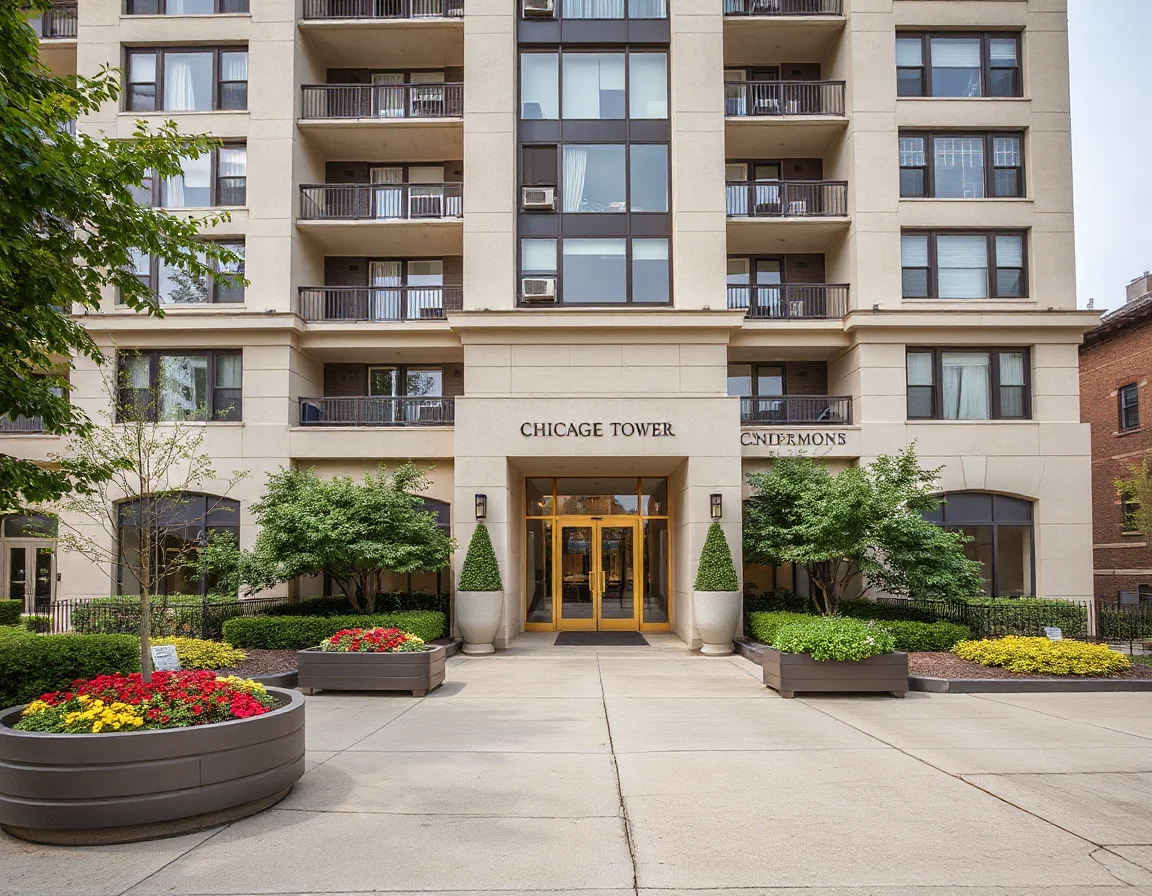
Professional imagery should prioritize natural light, clean sightlines, and the spaces that distinguish the property. A compelling set of photos might show a welcoming living area, a kitchen’s work space and finishes, the primary bedroom, a notable view, and any outdoor area. The building experience also matters. Clear information about amenities, parking, storage, and association details helps buyers understand the full offering before scheduling a visit.
Staging does not require making a home look impersonal. It means allowing the layout and scale to read clearly. Remove excess furniture, simplify countertops, open window coverings where appropriate, and create easy pathways through each room. In compact city homes especially, a measured arrangement can make storage, dining, work, and relaxation areas feel more understandable. The goal is not to disguise the home; it is to show how well it functions.
Listing copy should be equally direct. Describe the layout, upgrades, building amenities, transportation access, nearby green space, cultural destinations, and dining options as objective location benefits. Include what buyers need to compare the home accurately: assessment amount, parking status, tax information when available, and key building policies. Complete information encourages more qualified conversations and makes the price easier to evaluate.
Plan for the First Offers and Feedback
A sale strategy should be prepared before the listing debuts, not after the first showing. Decide how showing feedback will be collected, when activity will be reviewed, and what signals would justify an adjustment. If buyers consistently praise the property but choose a lower-priced alternative, the market may be delivering a clear message about positioning. If buyers mention condition, assessments, layout, or noise, those comments may point toward presentation improvements or a pricing reconsideration.
Not every quiet week means a price change is necessary. Weather, holidays, financing timelines, and the number of newly competing listings can all affect traffic. Still, it is important to distinguish temporary timing from sustained resistance. A home that accumulates days on market without tours, repeat visits, or meaningful inquiries may be less likely to regain its initial momentum. Prompt, evidence-based decisions generally create more options than waiting for a later reduction to do all the work.
A price adjustment is most effective when it moves the listing into a genuinely new comparison range for buyers, rather than making a small change that leaves the home competing with the same alternatives.
Offer review should extend beyond the headline price. Financing terms, contingencies, earnest money, requested credits, closing date, included personal property, and attorney-review considerations can materially affect the strength of an offer. A well-structured offer with realistic terms may provide more certainty than a higher number accompanied by conditions that introduce risk or expense.
Price With a Clear Story
The most successful Near North Side condo pricing plans combine accurate data with an honest understanding of the home’s place in the current market. Buyers can review listings quickly, compare monthly costs, and revisit the homes that feel both appealing and well positioned. A persuasive launch price gives them a reason to schedule a showing; careful presentation gives them a reason to keep the property in consideration.
Before listing, gather the building documents, review nearby competition, identify the home’s strongest features, and set a schedule for evaluating market response. With those pieces in place, pricing becomes a focused decision rather than a guess. The result is a listing strategy built to meet today’s buyers with clarity, confidence, and a strong case for value.