

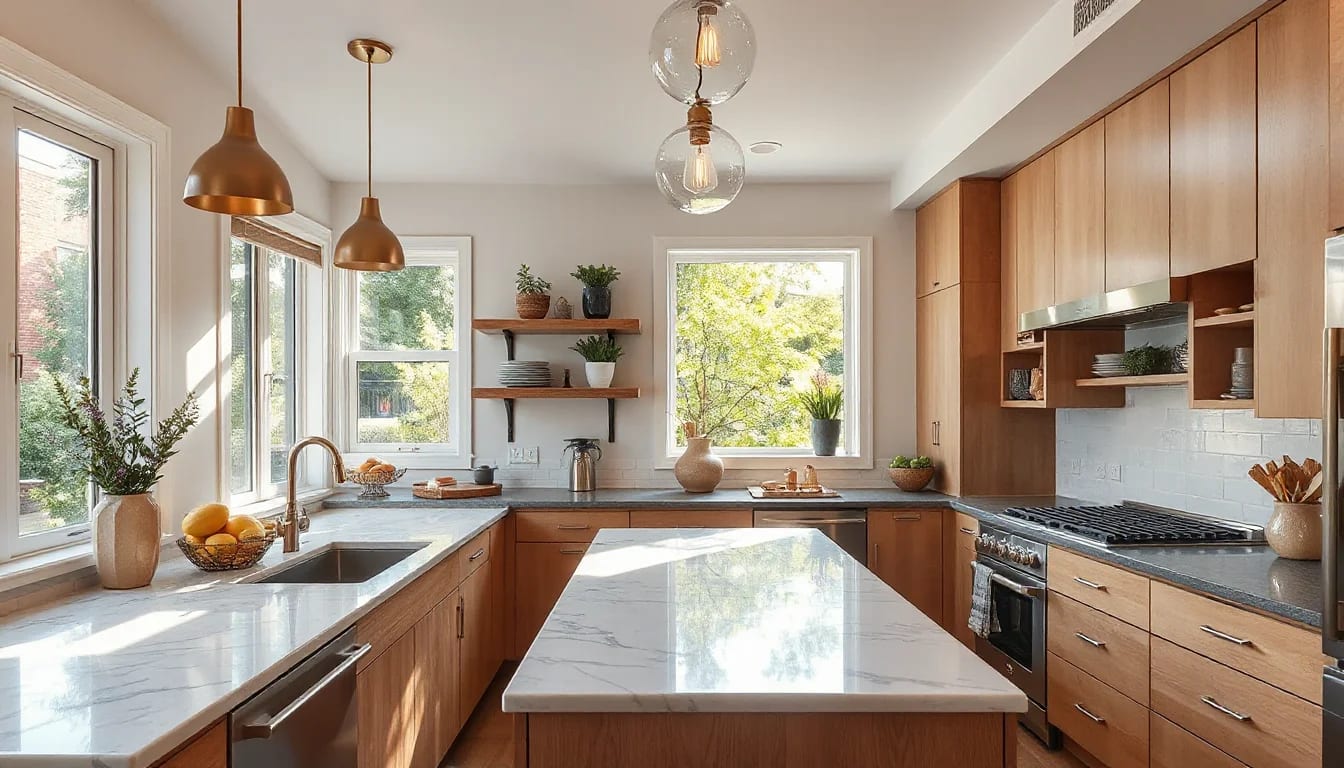
The most valuable pre-sale renovation is rarely the most dramatic one. In Lincoln Park, thoughtful updates that make a home feel maintained, functional, and easy to understand can strengthen buyer interest without turning a listing into an open-ended construction project. The goal is to invest where condition, presentation, and local buyer expectations meet.
Start With the Parts Buyers Notice First
Lincoln Park homes offer an unusually broad range of architecture, from historic row homes and vintage flats to newer condominiums and contemporary single-family residences. That variety makes a one-size-fits-all renovation plan risky. Before selecting finishes or scheduling contractors, it helps to look at the property through a buyer’s lens: What feels immediately cared for? What appears dated but usable? What could make someone wonder about deferred maintenance?
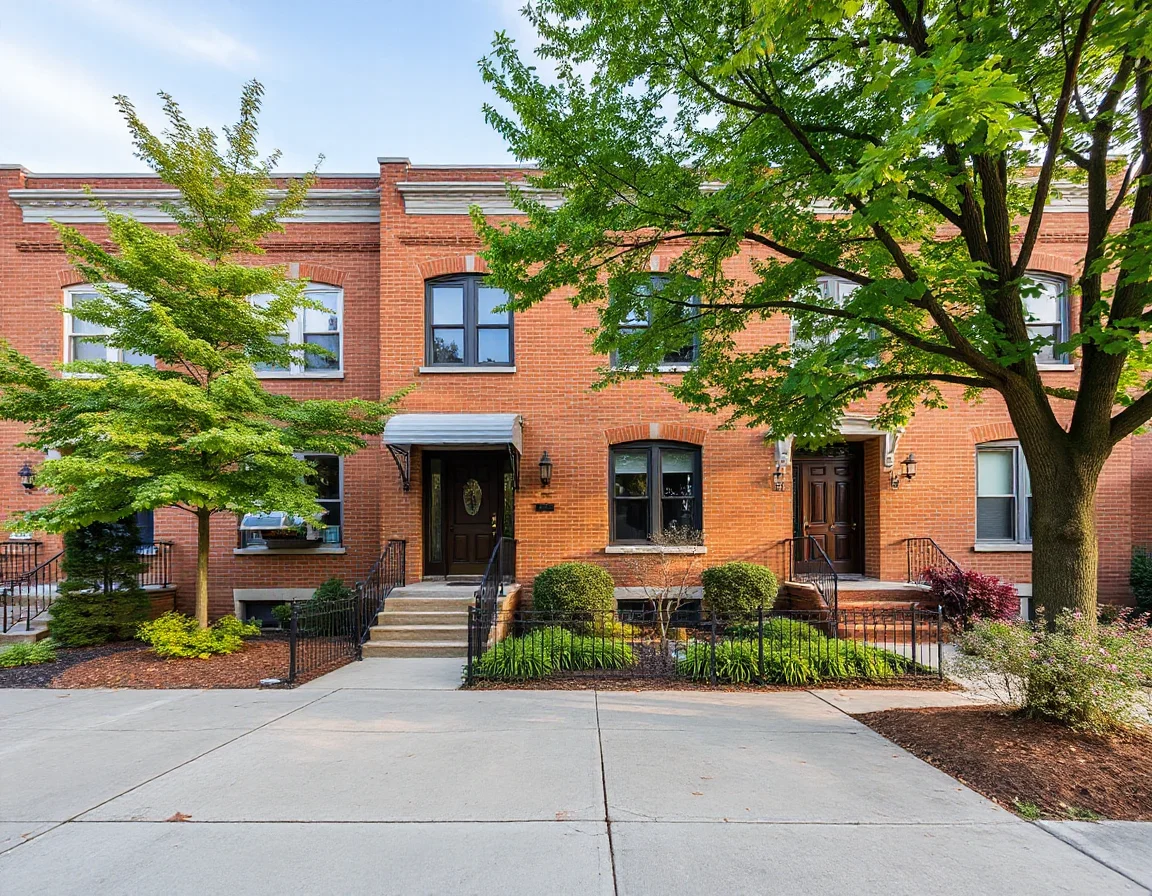
First impressions begin before the front door opens. Exterior touch-ups, fresh landscaping, a repaired walkway, updated exterior lighting, and a freshly painted entry can signal steady ownership. For a condo, the private entrance, balcony, windows, and visible mechanical elements may deserve equal attention. The objective is not to erase every sign of age; it is to make the property feel intentional and well prepared.
Inside, paint remains one of the most flexible tools in a seller’s toolkit. A consistent, light-reflecting palette can clarify room boundaries, reduce visual distraction, and help architectural details stand out. Repainting marked trim, patching drywall, replacing a dated light fixture, and removing overly personal decor often create a cleaner result than a large renovation with mismatched selections.
A pre-listing walk-through should separate “visible condition” from “personal taste.” Buyers may accept an older finish, but they often pause when they see loose hardware, damaged grout, stained caulk, or unfinished repairs.
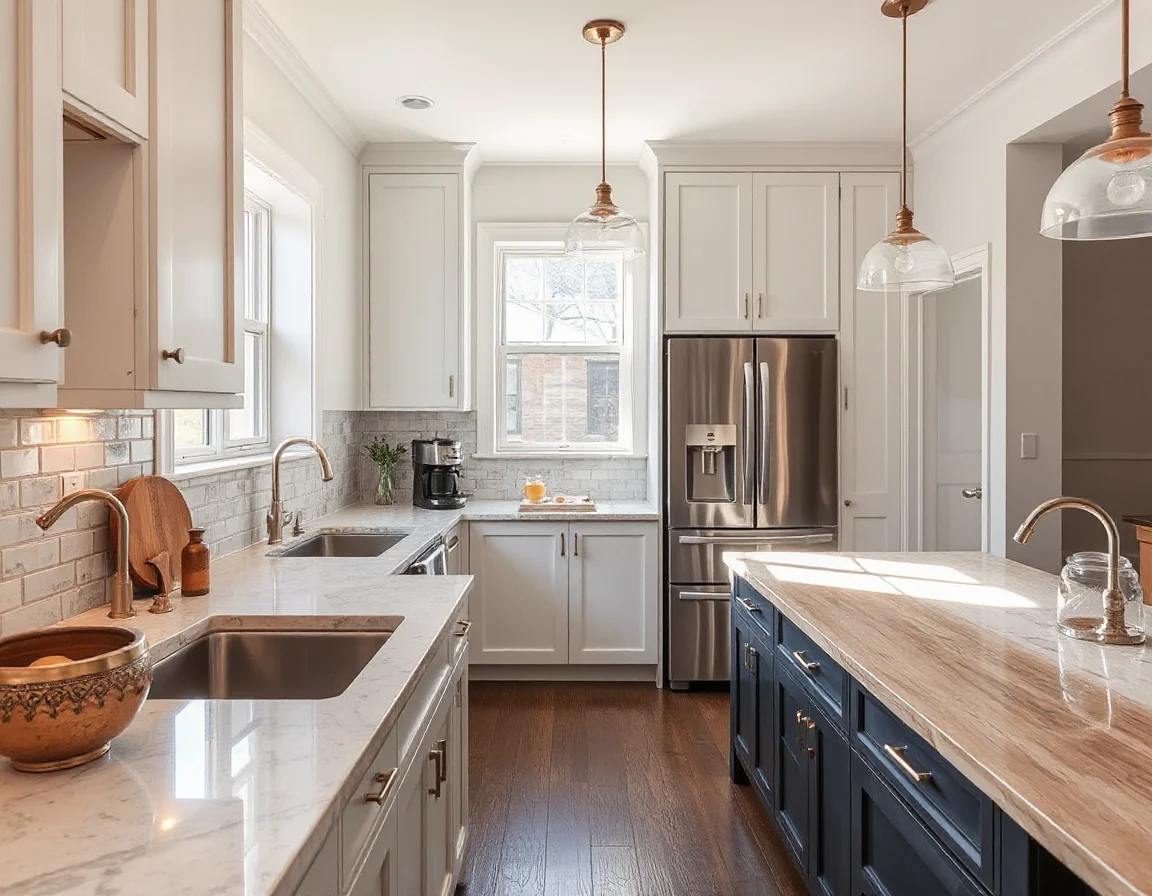
Kitchens and bathrooms deserve careful, not automatic, attention. A full renovation may be appropriate when these spaces are materially worn, poorly functioning, or sharply out of step with comparable homes. More often, a targeted refresh can carry the conversation: cabinet hardware, faucet replacement, updated mirrors, repaired tile, new vanity lighting, and professionally cleaned surfaces can change the room’s impression without the delay and uncertainty of a full rebuild.
Choose Improvements That Support the Home’s Story
In a neighborhood with so many distinct property types, the best renovation choices respect the home’s existing character. Original millwork, hardwood floors, brick, built-ins, and period details can be assets when they are cleaned, repaired, and presented with care. Replacing everything with the latest trend can sometimes remove the features that make a Lincoln Park property memorable.
That does not mean sellers should avoid modernization. Functional updates can be especially meaningful where buyers are evaluating daily use: reliable appliances, properly vented baths, refreshed electrical plates, smoothly operating doors, working windows, and organized storage. In attached homes, it is also wise to understand which repairs are individual responsibilities and which fall under an association’s scope before making promises or starting work.
Flooring is another decision point worth examining closely. Refinishing original wood floors, replacing severely worn carpet, or repairing damaged transitions can improve the flow of a listing. However, installing new flooring throughout solely to chase a passing look may not be necessary. A cohesive, well-maintained surface usually matters more than a particular color or pattern.
For homes with outdoor space, modest improvements can have a strong visual effect in listing photography and showings. Prune overgrowth, clean patios or decks, repair fencing where needed, and define seating or garden areas without overfilling them. Lincoln Park’s seasons make outdoor spaces especially appealing when they look ready to use, whether that means a courtyard, roof deck, balcony, front garden, or a simple paved area.
Renovation timing matters as much as renovation scope. Leave room for permits, contractor scheduling, cleanup, photography, and a final quality check before the home enters the market.
It is also important to avoid over-improving based on assumptions. A premium appliance package or highly customized built-in may be enjoyable, but it should be weighed against nearby active and recently sold properties with similar location, size, condition, and layout. The most effective plan is grounded in the home’s likely competitive set rather than a generic remodeling checklist.
Make the Listing Feel Move-In Ready Without Overbuilding
“Move-in ready” does not require every room to be newly remodeled. It means the home appears clean, functional, and free of distracting loose ends. Sellers can often accomplish this by completing small repairs that have accumulated over time: tighten railings, replace missing outlet covers, adjust sticky cabinets, refresh worn weatherstripping, service mechanical systems, and resolve visible water staining after addressing its source.
Documentation can be useful, too. Receipts for recent roof work, appliance replacements, HVAC service, tuckpointing, window repairs, or association-approved projects can provide helpful context during a transaction. These records do not replace required disclosures or inspections, but they can make it easier to explain the work that has been completed and when.
Presentation should be part of the renovation plan from the start. Once the work is done, professional cleaning and thoughtful staging help rooms read clearly in photographs and in person. Clear counters, simplify closets, remove excess furniture, and let natural light do its work. Buyers should be able to see the layout, storage, finishes, and condition without having to look past clutter or unfinished details.
If selling a condo or townhome, gather association documents early and review upcoming assessments, rules, reserves, and planned building projects with the appropriate professionals. In a single-family property, identify any permits or warranties tied to completed renovations. Being prepared supports a smoother conversation once interest begins.
A Focused Plan Can Protect Both Time and Budget
The strongest pre-sale renovation strategy is selective. Begin with visible repairs, address systems or conditions that could raise understandable questions, then focus on the rooms and outdoor areas that shape a buyer’s overall impression. A local market review can help determine whether a cosmetic refresh, a targeted kitchen or bath update, or a more extensive project makes sense for the property.
Before committing funds, create a written scope, obtain realistic timelines, and reserve a contingency for surprises behind walls or beneath surfaces. Quality workmanship and a complete finish are generally more persuasive than a long list of partially completed projects. With the right priorities, sellers can bring a Lincoln Park home to market looking polished, credible, and ready for its next chapter.