

Chicago first-time buyers can often find a stronger fit by balancing purchase price, transit access, daily amenities, and long-term flexibility. Avondale, Portage Park, Albany Park, Bridgeport, and Uptown each offer a distinct path into homeownership without requiring downtown living.
Buying your first home in Chicago can feel overwhelming. With dozens of neighborhoods offering unique lifestyles, pricing, and amenities, it’s important to know where first-time buyers can get the best value.
Here are five Chicago neighborhoods first-time buyers should consider in 2026.
For a first purchase, value is about more than the list price. A neighborhood that supports an easy commute, offers housing choices that fit your budget, and remains appealing to future buyers or renters can make ownership feel more manageable from day one. Touring several areas with your agent can help you compare the block-by-block details that do not always show up in an online listing.
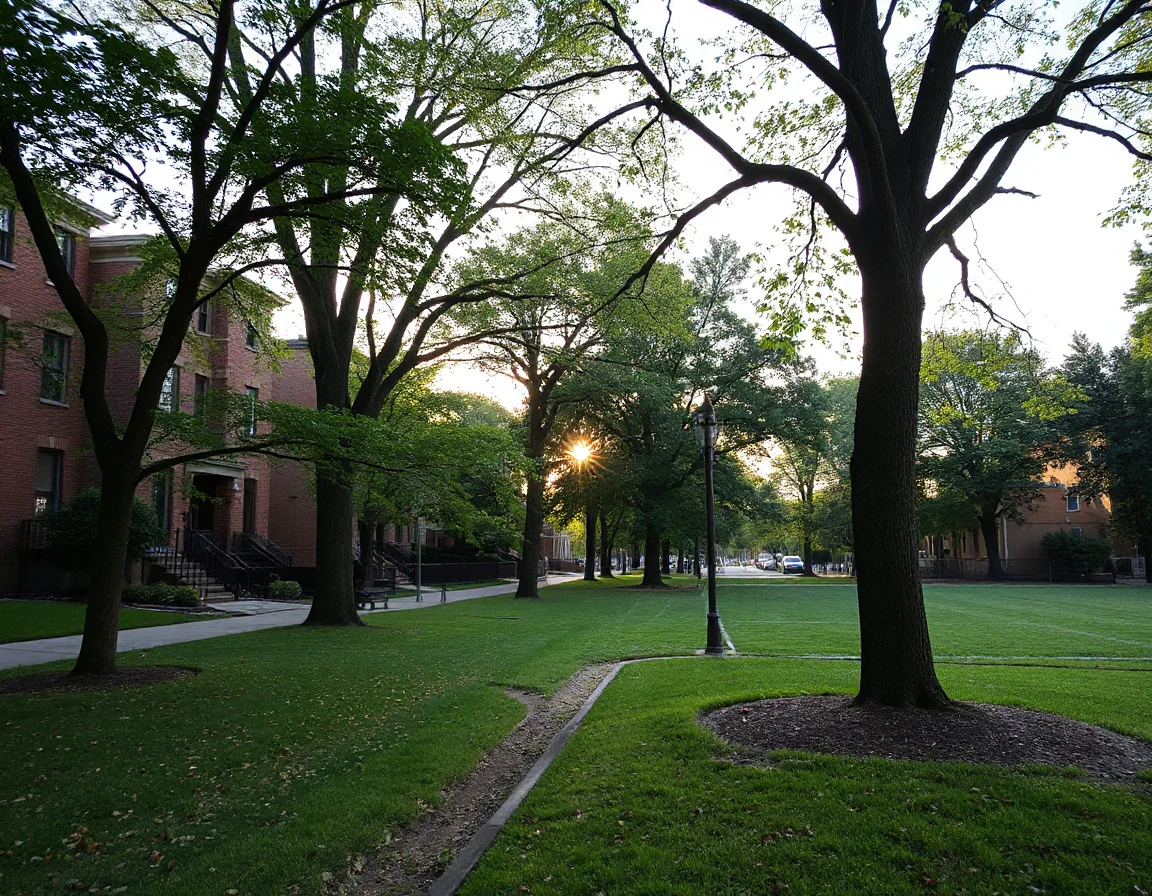
1. Avondale
- Growing popularity
- Strong property appreciation
- Access to the Blue Line
Avondale is a practical choice for buyers who want a neighborhood with energy while still prioritizing everyday convenience. Its access to the Blue Line can be especially meaningful for purchasers who commute toward the Loop or need a reliable connection to other parts of the city. That transit option may also broaden the pool of future buyers when the time comes to sell.
The area’s growing popularity has brought more attention to its restaurants, local businesses, and housing stock. First-time buyers should look beyond a single renovated home and consider the condition of the building, the immediate streetscape, and the costs of maintaining older Chicago properties. A well-chosen home in a neighborhood with continued demand can offer both a place to settle in and a foundation for future equity.
2. Portage Park
- Quiet residential feel
- Affordable single-family homes
- Large park and community amenities
Portage Park appeals to buyers seeking a quieter residential feel and more traditional home options. For households that picture a single-family home, a yard, or additional space for a home office, the neighborhood can provide a different ownership experience than a high-rise condo market. Its namesake park and community amenities add a valuable setting for recreation and daily routines.
Affordability should always be assessed in the full context of ownership. Along with the purchase price, first-time buyers can review property taxes, insurance, utility costs, and the likely timing of major repairs. A home that needs updates may still be a sound opportunity when the budget accounts for those improvements and the location aligns with long-term goals.
A lower entry price is most useful when it leaves room in your budget for inspections, closing costs, reserves, and the improvements that will make the home work for your life.

3. Albany Park
- Diverse food scene
- Lower entry price point
- Strong rental demand
Albany Park stands out for buyers who value a diverse food scene and an active neighborhood character. The variety of local dining and everyday services can make a neighborhood feel livable well beyond the home itself. For a buyer deciding between more space and a more connected daily routine, Albany Park is worth comparing closely with other North and Northwest Side options.
A lower entry price point can give first-time buyers additional flexibility, particularly when they are considering a condo, a two-flat, or a home that may need cosmetic work. Strong rental demand is also an important consideration for buyers who want to preserve options. While no buyer should rely on future rental income without careful research, a property in a location with durable demand can offer more choices if circumstances change.
Review association rules, financing requirements, and any local rental regulations before assuming a home can be leased later. For small multifamily properties, buyers should also evaluate unit condition, lease terms, and realistic operating expenses with their agent and appropriate professionals.
4. Bridgeport
- Historic homes
- Close to downtown
- Increasing redevelopment
Bridgeport gives first-time buyers an opportunity to explore a neighborhood with historic homes, a distinct local identity, and close proximity to downtown. Its location can appeal to purchasers who want a shorter trip to central Chicago while avoiding the pace and pricing of downtown living. The neighborhood’s mix of older housing and increasing redevelopment means buyers may find a wider range of property styles and renovation levels.
Historic homes can be full of character, but they deserve a detailed inspection. Buyers should pay close attention to roofs, masonry, mechanical systems, drainage, and any updates that may have been completed over time. Understanding those items before making an offer can help you distinguish between a home with manageable projects and one with costs that could strain a first-time buyer’s budget.
Redevelopment can add momentum to a neighborhood, but the best purchase is still the home that fits your budget, commute, and ownership timeline—not simply the one closest to new construction.
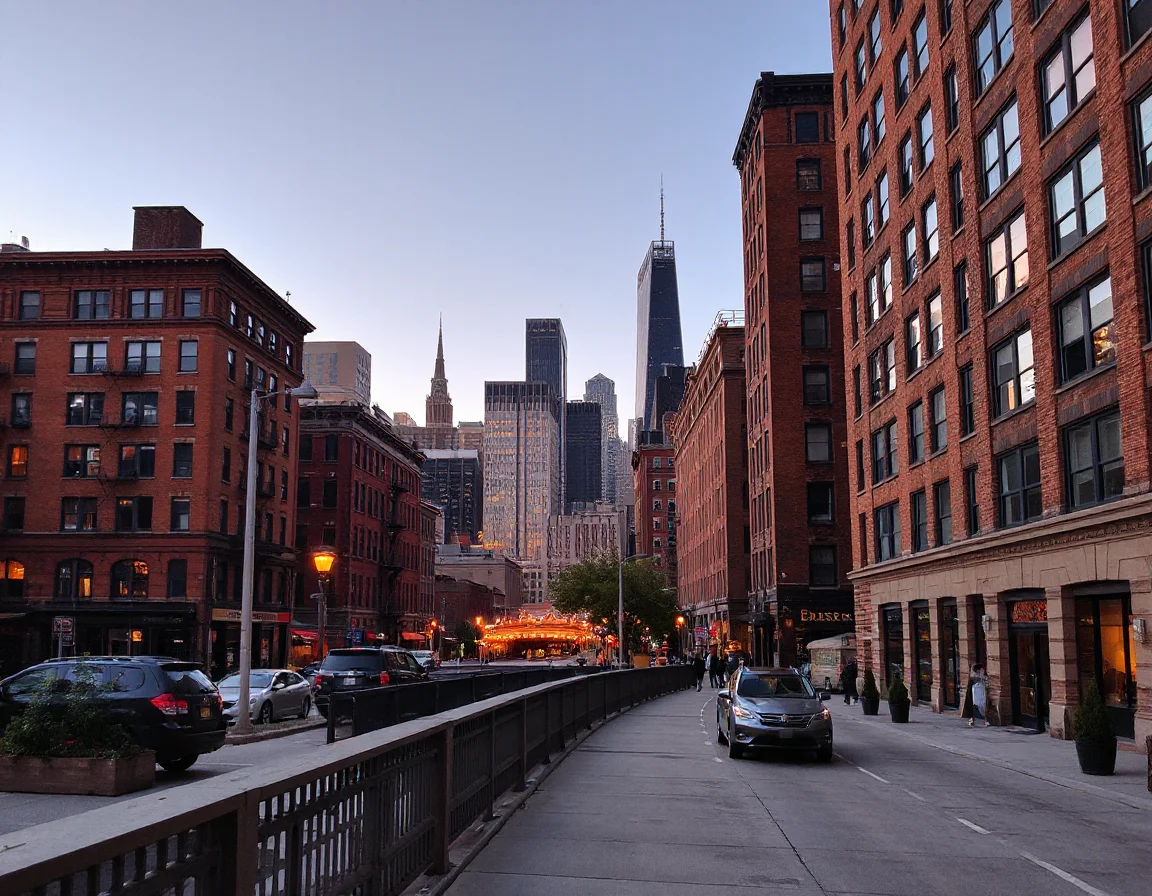
5. Uptown
- Lakefront living
- Condos under downtown pricing
- Strong rental market
Uptown can be a compelling option for buyers drawn to lakefront living and the convenience of city amenities. The neighborhood offers access to the lakefront while presenting condo choices that may be priced below comparable downtown options. That combination can be attractive for a first-time buyer who wants an urban lifestyle without making a downtown address the only possibility.
Condo buyers should give special attention to the association. Request and review the budget, reserves, meeting minutes, planned projects, monthly assessments, and rules before moving forward. A lower purchase price can be offset by high assessments or upcoming capital work, while a financially healthy association can make ownership more predictable.
Uptown’s strong rental market may support future flexibility, but owner-occupancy requirements and rental caps differ by building. Your agent can help identify the questions to ask early so that you can focus on homes that suit both your current needs and your longer-term plans.
Making a Confident First Purchase
Each of these Chicago neighborhoods offers a different balance of transit, housing type, amenities, and potential for the future. The right choice depends on how you plan to live in the home, how long you expect to own it, and which costs matter most to your financial plan. Compare recent sales, visit at different times of day, and rely on your agent to help you evaluate the property as carefully as the neighborhood.
Why this matters: Choosing the right neighborhood can impact property appreciation, lifestyle, and long-term investment potential.