

Chicago remains one of the Midwest’s most compelling real estate investment markets, supported by broad rental demand and neighborhood-level variety. Logan Square, Pilsen, Bronzeville, and Edgewater each offer a different path for buyers evaluating rental appeal, redevelopment activity, architecture, and proximity to the city’s core.
Top Chicago Neighborhoods for Real Estate Investment
Chicago continues to be one of the best real estate investment markets in the Midwest thanks to strong rental demand and diverse neighborhoods.
From established rental corridors to areas shaped by ongoing redevelopment, Chicago gives buyers an opportunity to compare distinct locations, housing styles, and long-term ownership considerations. Here are some areas investors are watching closely.

Investment decisions are rarely one-size-fits-all. A neighborhood that appeals to a renter seeking restaurants and transit may differ from one that attracts buyers drawn to historic homes, lakefront access, or a visible pipeline of redevelopment.
Before making an offer, evaluate the individual property alongside its block, building condition, rental rules, carrying costs, and likely tenant or future buyer profile. Your agent can help place a specific opportunity in the context of the surrounding neighborhood.
Logan Square
- Popular with young professionals
- Strong rental demand
- Ongoing development
Logan Square is frequently considered by buyers looking for an established Chicago neighborhood with an energetic residential and commercial character. Its appeal among young professionals can support consistent interest in homes and rental properties, while the area’s ongoing development gives investors another factor to monitor over time.
The neighborhood includes a mix of housing options, so the investment case can vary considerably from one property to the next. Buyers should focus on how location, condition, access, and the needs of the intended occupant shape the opportunity rather than relying on neighborhood name recognition alone.
Strong rental demand can be a meaningful advantage, but a sound investment decision still depends on the property’s condition, expenses, rental restrictions, and fit with the local buyer or renter audience.
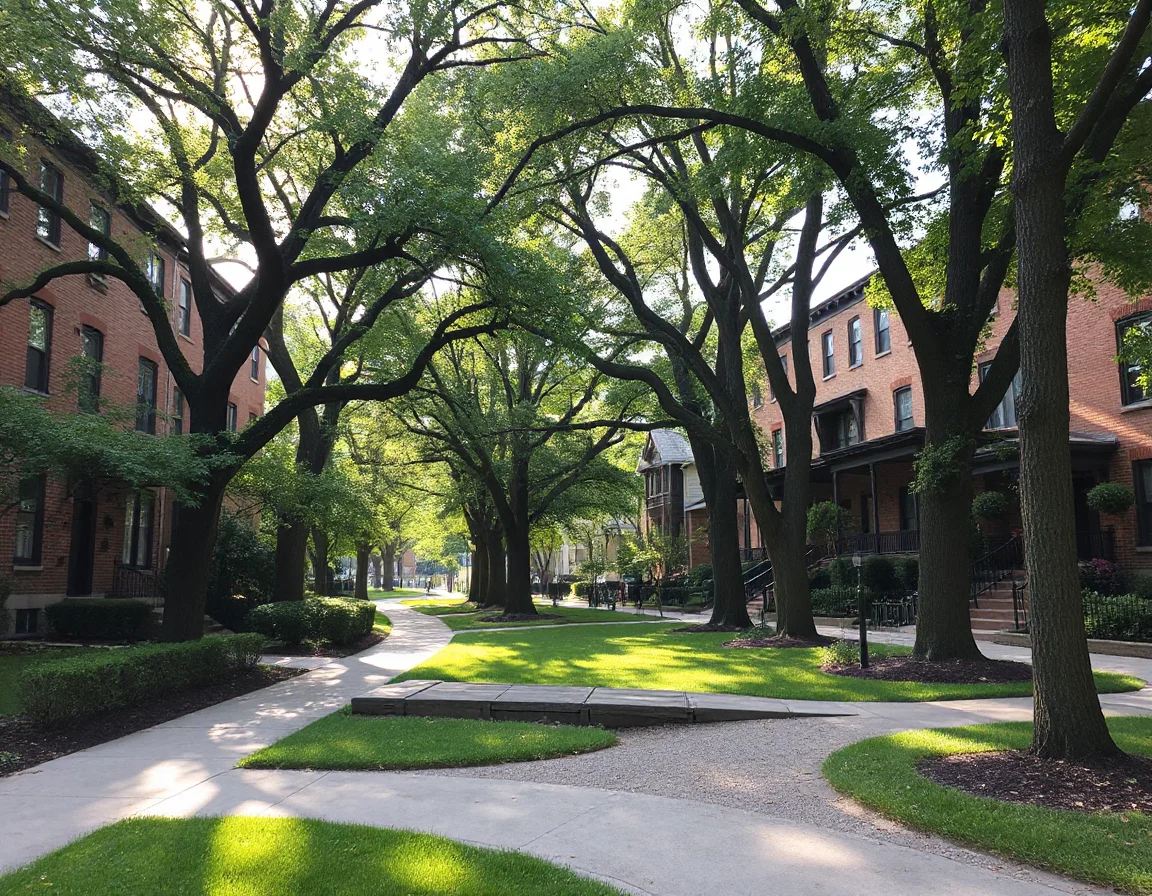
For buyers who value a neighborhood with a strong local identity, Logan Square’s combination of residential streets and nearby amenities can be an important part of the analysis. Understanding the property’s exact setting and how it compares with nearby alternatives is essential.
Ongoing development may create opportunity, but it also makes careful due diligence especially important. Reviewing the immediate area, property taxes, planned improvements, and financing assumptions can help buyers make a more informed decision.
Pilsen
- Growing arts district
- Rising home values
- Proximity to downtown
Pilsen offers a different investment conversation, with a growing arts district, rising home values, and proximity to downtown all contributing to its appeal. Buyers researching the neighborhood should consider how those characteristics align with their ownership goals and the type of property they are evaluating.
Its location can be particularly relevant for people who want access to downtown while retaining the character of a distinct neighborhood. As with any market where values are changing, a careful review of comparable properties and current conditions is more useful than assumptions based solely on prior appreciation.
The best fit may be a property that balances purchase price, renovation needs, potential rental appeal, and long-term resale considerations. Each of those factors deserves attention before an investor commits to a strategy.
Bronzeville
- Historic architecture
- Major redevelopment projects
- Affordable investment opportunities
Bronzeville stands out for its historic architecture and the presence of major redevelopment projects. For buyers, that combination can make the neighborhood worth studying closely, particularly when looking for affordable investment opportunities within Chicago.
Historic properties can offer distinctive design and neighborhood character, but they may also require a detailed assessment of maintenance needs and renovation scope. A thorough inspection and realistic budget are important parts of evaluating any older home or multifamily building.
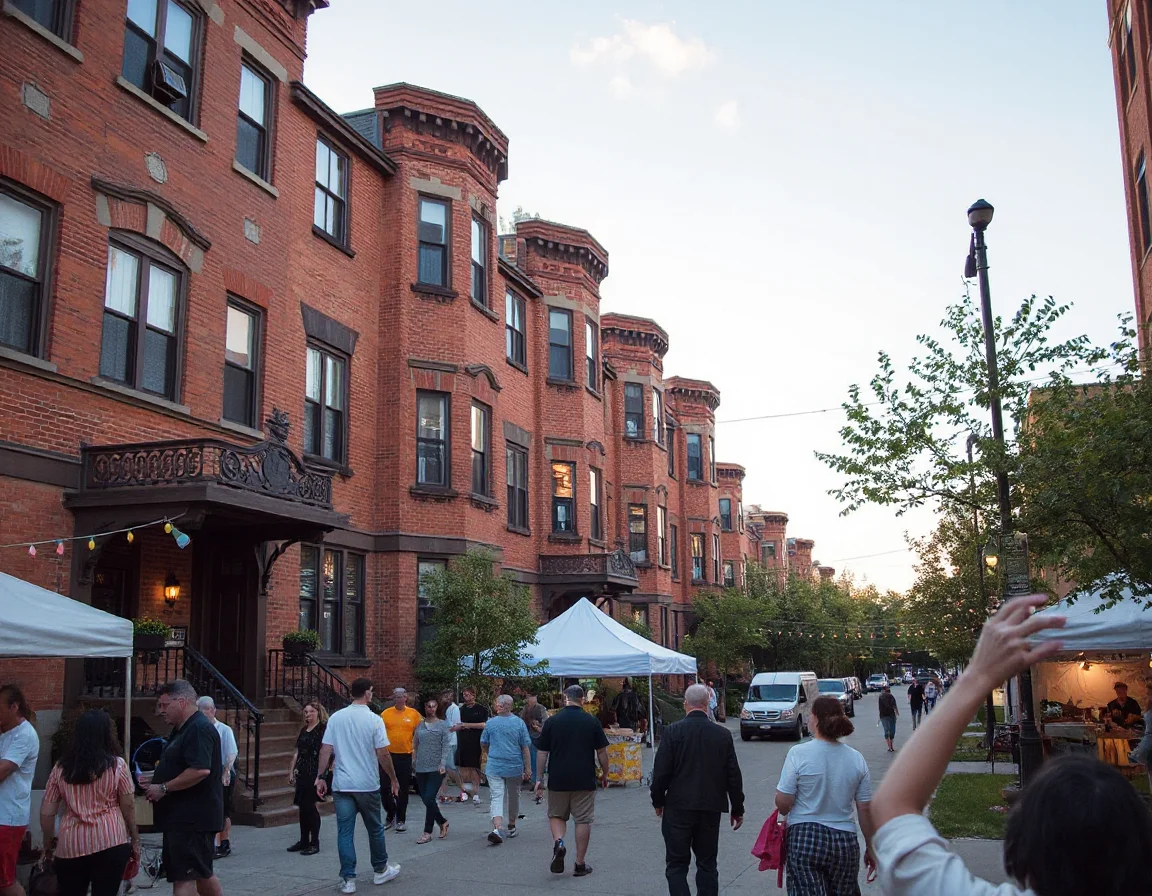
Redevelopment activity can influence how a neighborhood evolves, yet the opportunity remains property-specific. Buyers should look beyond broad plans and examine the immediate surroundings, building systems, ownership costs, and practical timeline for their goals.
Historic character and redevelopment can make Bronzeville compelling, but a property’s fundamentals—location, condition, expenses, and demand—should remain at the center of every investment review.
Edgewater
- Lakefront condos
- Strong rental market
- Popular with young professionals
Edgewater brings lakefront condos, a strong rental market, and popularity with young professionals into the conversation. The neighborhood can appeal to buyers who are comparing condominium ownership with other Chicago investment formats and who value a location near the lake.
For a condo purchase, due diligence should extend beyond the individual unit. Association finances, reserves, monthly assessments, rental policies, building maintenance, and any planned capital work can materially affect ownership costs and flexibility.
Lakefront proximity may be an important lifestyle draw, while the strong rental market can support buyer interest in the area. Still, investors should confirm the rules and numbers for the particular building before assuming a unit will suit a rental strategy.
Chicago’s neighborhood diversity is one of its greatest advantages for real estate buyers. Logan Square, Pilsen, Bronzeville, and Edgewater each present a distinct mix of demand, architecture, location, and development considerations—making thoughtful, property-level research the foundation of a stronger investment decision.