

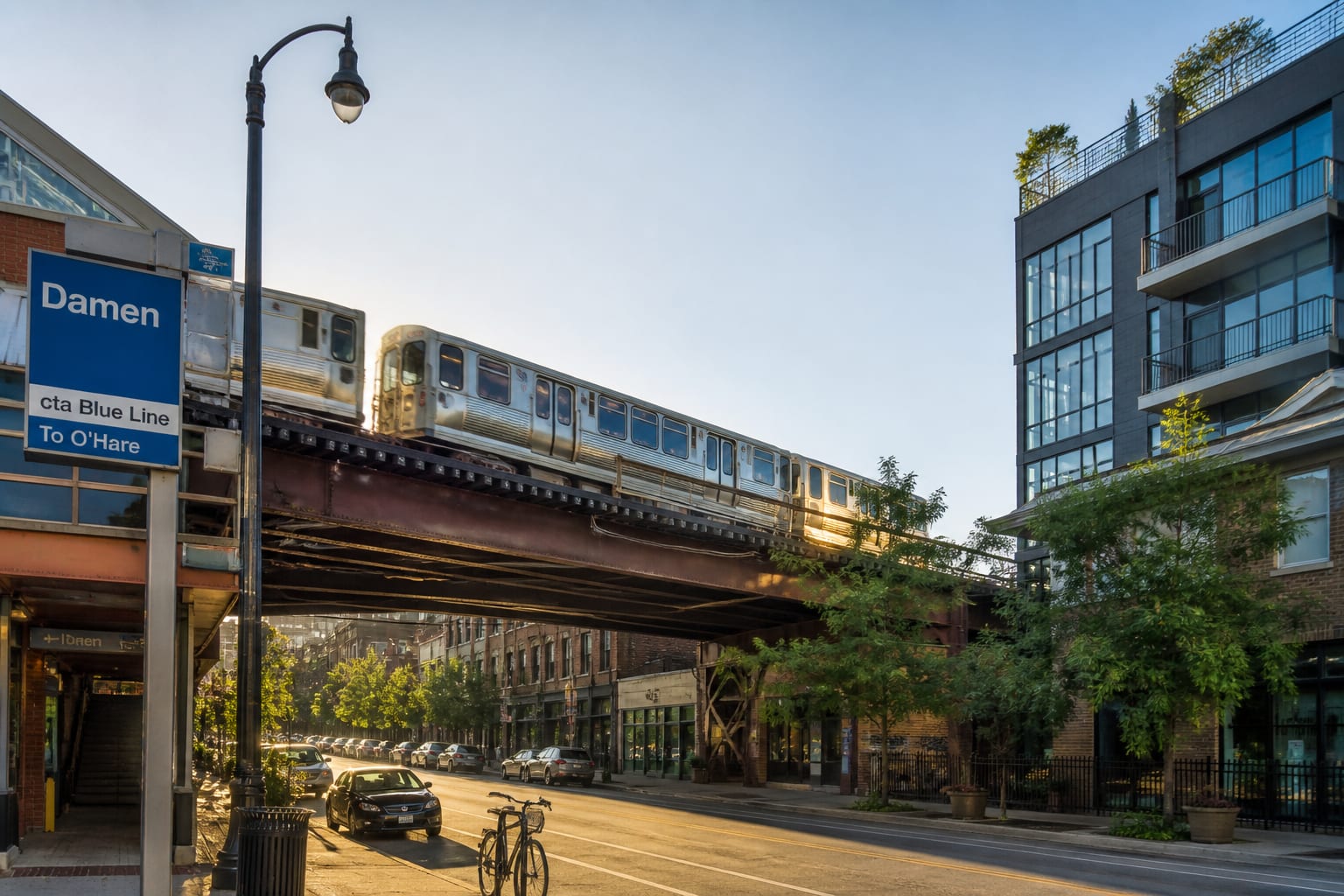
Chicago makes it possible to build a truly transit-first lifestyle without sacrificing neighborhood character. Uptown, Lakeview, Logan Square, Edgewater, and West Loop offer different combinations of CTA access, walkability, housing options, and long-term appeal for buyers who want less time driving and more flexibility every day.
In Chicago, you don’t need a car to live well. With an extensive CTA rail and bus system, many neighborhoods support true transit-first living—where commuting, dining, and daily errands are all walkable.
If you’re buying or renting in 2026 and want convenience without downtown pricing, these neighborhoods stand out. For buyers, transit access can also be an important part of evaluating day-to-day livability, future demand, and resale potential.
4
Uptown Chicago
Why it works:
Multiple Red Line stops, express buses, and quick access to Lake Shore Drive.
Transit advantage:
- Fast commute downtown
- Lakefront bike trail access
- Dense restaurant and retail corridors
Best for buyers who want value + lake proximity + reliable train access. Uptown gives residents several ways to move through the city, whether the destination is the Loop, the lakefront, or neighborhood dining and entertainment.
When comparing homes near a Red Line stop, look beyond the station pin on a map. The best fit is often the property with a comfortable walking route, useful nearby retail, and the level of street activity that feels right for your routine.
Lakeview Chicago
Why it works:
Served by Red, Brown, and Purple Lines, Lakeview is one of the most transit-connected neighborhoods in Chicago.
Transit advantage:
- Multiple train options
- Walkable commercial corridors
- Strong condo inventory
Ideal for professionals who want flexibility in commute routes. That network matters when work schedules change, weather affects one route, or a buyer simply wants more than one practical way to reach the Loop and other parts of the city.
Lakeview’s condo inventory also gives buyers a broad range of building styles to consider. A careful comparison should include the station walk, monthly assessments, building condition, and how the unit is positioned relative to train noise and busy corridors.
Logan Square
Why it works:
The Blue Line offers direct airport access and a straight shot to downtown.
Transit advantage:
- Easy O’Hare commute
- Popular dining scene
- Walkable boulevards
Strong for buyers who travel frequently or work in the Loop. The direct Blue Line connection can make airport trips and downtown commutes simpler, while the neighborhood’s boulevards, restaurants, and everyday services support a walkable routine close to home.
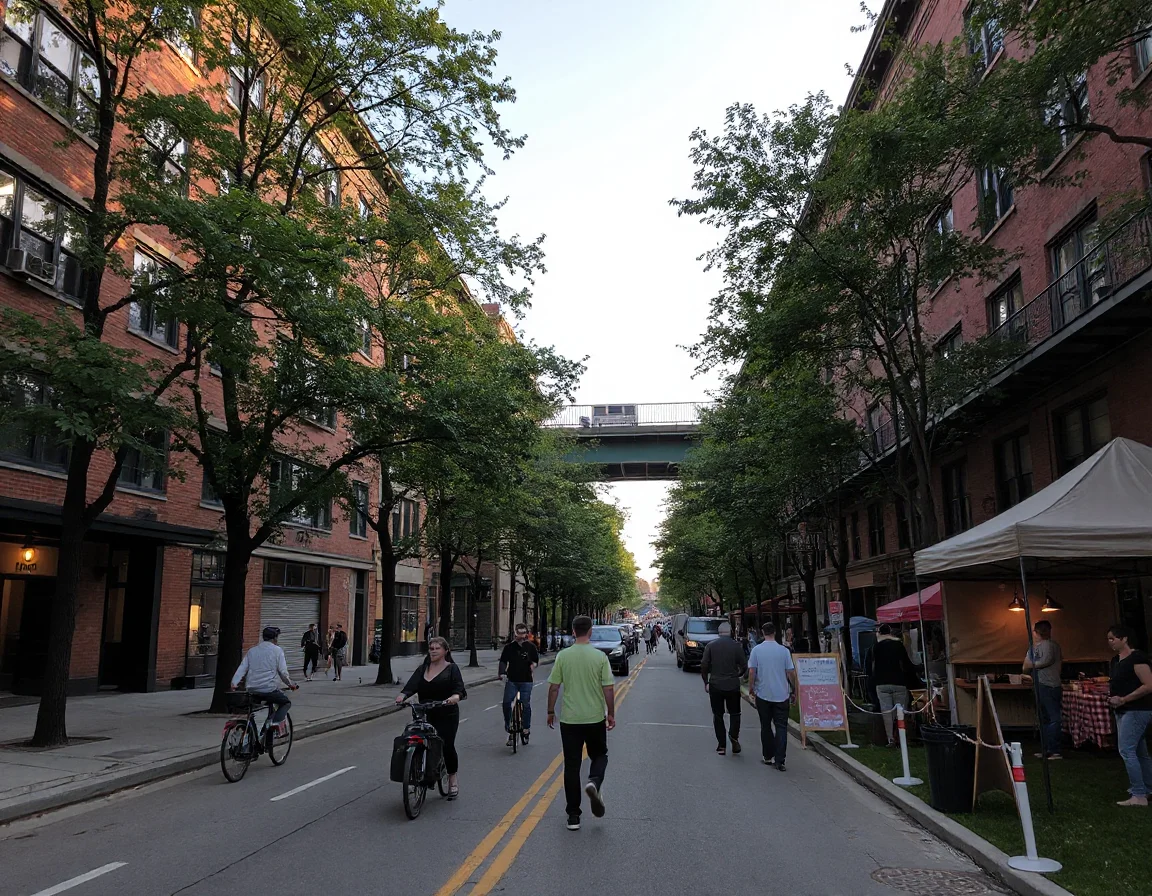
For a transit-first buyer, Logan Square is a useful reminder that convenience is not limited to a train platform. The strongest locations pair rail access with groceries, dining, parks, and services that make quick errands possible on foot.
Edgewater Chicago
Why it works:
Red Line access combined with lakefront living.
Transit advantage:
- Car-optional lifestyle
- High-rise condos near stations
- Quick access to downtown
Appeals to buyers who want a quieter feel without losing connectivity. Edgewater offers a compelling balance for those who value lakefront access and a more residential pace while still relying on the Red Line for regular trips downtown.
High-rise and condominium buyers should review the building as closely as the neighborhood. Reserve levels, assessments, owner-occupancy ratios, elevator condition, and sound exposure can all shape both the ownership experience and future marketability.
West Loop
Why it works:
Green and Pink Lines plus Metra access.
Transit advantage:
- Walk to work in the Loop
- Dense restaurant district
- High-end condo options
Best for professionals prioritizing short commutes and urban energy. West Loop’s rail and Metra access can reduce the friction of getting to work, while its restaurant district and dense amenities make it easy to keep much of daily life close by.
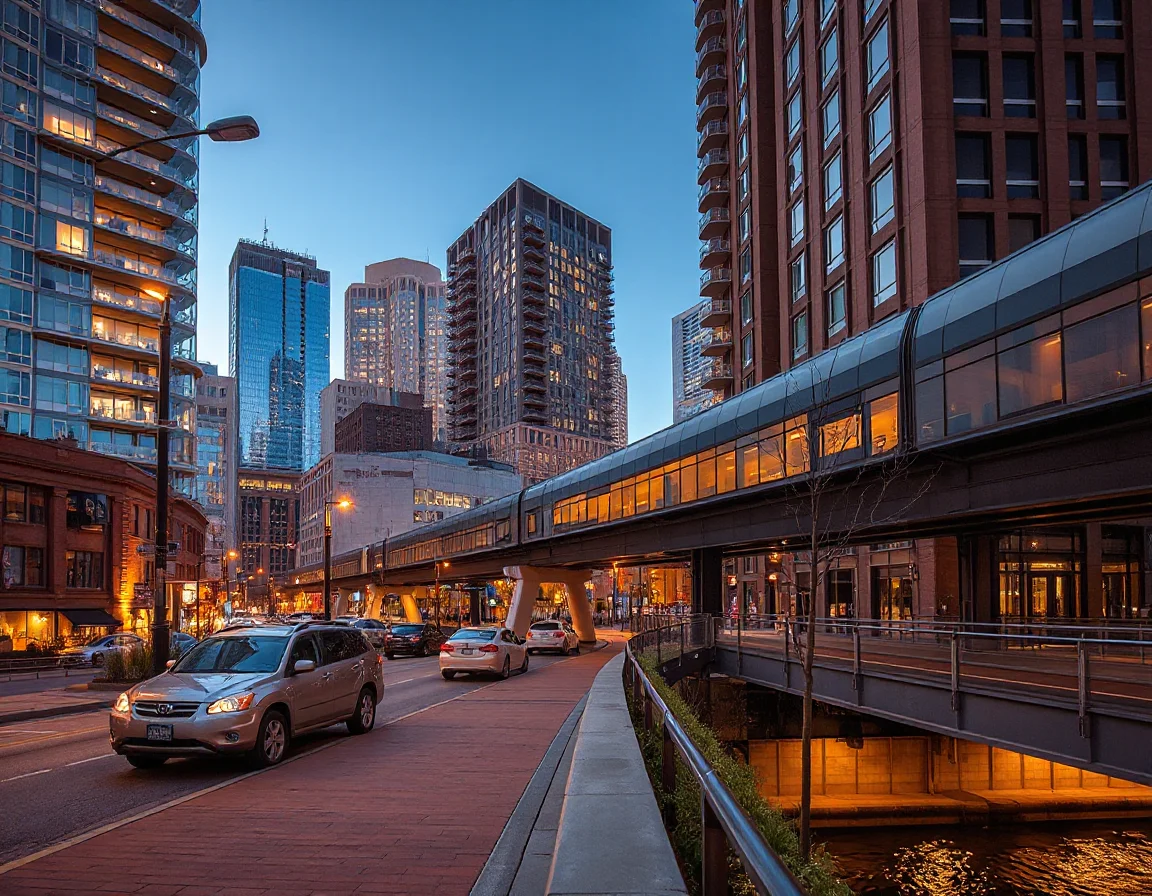
Because West Loop housing often places a premium on location, buyers should weigh the value of a shorter commute against unit size, building amenities, assessments, and the amount of activity they want immediately outside their door.
Why Transit-First Living Matters in 2026
Buyers focused on transit access benefit from:
- Lower transportation costs
- Strong resale value
- Higher rental demand
- Lifestyle convenience
Properties near CTA stations consistently outperform over time because access equals demand. A location that makes commuting, errands, dining, and recreation easier can appeal to a wider range of future buyers and renters.
Transit proximity boosts value—but the most durable value comes from pairing access with livability: a reasonable walk, a well-kept building, useful nearby amenities, and a home that still feels comfortable when you are inside.
What to Look for When Buying Near Transit
Not all “near CTA” properties are equal. Pay attention to:
- Walking distance (under 0.5 miles ideal)
- Noise exposure
- Station condition and lighting
- Surrounding retail density
- Owner-occupancy ratios in condo buildings
Transit proximity boosts value—but only when paired with livability. Visit at different times of day when possible, walk the route to the station, and listen from inside the home with windows open and closed. Those practical checks can reveal details that a listing map cannot.
Final Takeaway
Chicago remains one of the best cities in the country for transit-first living. Neighborhoods like Uptown, Lakeview, Logan Square, Edgewater, and West Loop offer strong access without requiring daily driving.
If you’re prioritizing convenience, walkability, and long-term value, transit-connected neighborhoods should top your list.
Thinking about buying near the CTA?
Let’s identify properties that balance access, value, and long-term appreciation potential.