

In Uptown Chicago, a $200,000–$400,000 budget can open the door to a range of condo lifestyles, from practical starter homes to larger renovated residences and amenity-rich buildings. The right fit depends on how you balance space, condition, monthly assessments, location, and future flexibility. A focused search helps you compare the full cost of ownership—not just the list price.
What $200,000–$400,000 Buys You in Uptown Chicago Right Now
Uptown offers Chicago buyers a compelling mix of lakefront access, transit convenience, historic architecture, neighborhood energy, and a broad range of condominium options. For buyers working within a $200,000–$400,000 budget, the opportunity is not simply finding a home that fits the price range; it is understanding the tradeoffs that shape everyday living and long-term value.
Within this range, you may encounter everything from compact vintage units and updated one-bedrooms to larger two-bedroom homes, elevator buildings, and residences with outdoor space. Inventory, condition, association finances, and exact location can change the picture quickly, so it helps to evaluate each listing through the lens of your priorities.
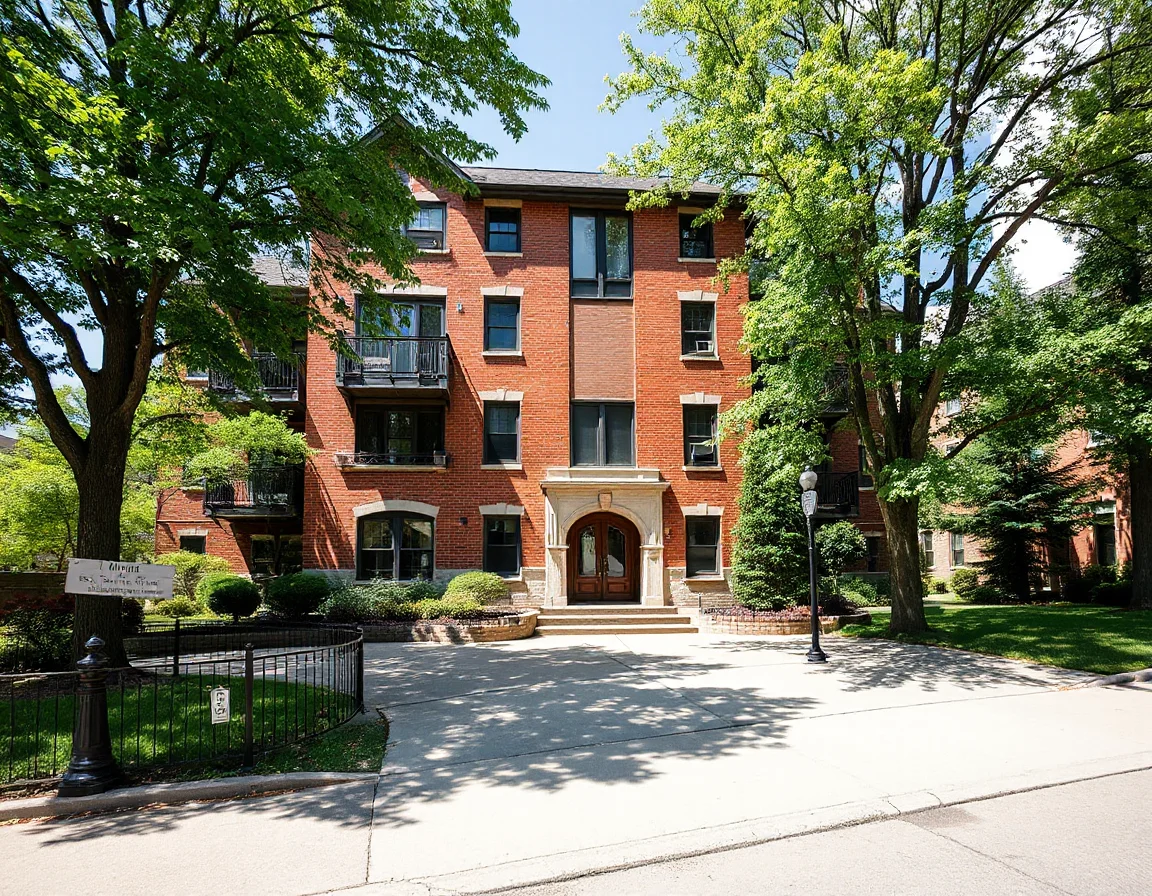
Uptown’s housing stock is part of what makes this search interesting. A buyer may compare a classic courtyard building with architectural character against a newer mid-rise with more contemporary layouts. Neither is automatically the better choice. The best match is the one that supports your preferred lifestyle, financing plan, and comfort level with maintenance and monthly expenses.
Before touring, decide which features are truly essential. Bedroom count, elevator access, parking, in-unit laundry, outdoor space, pet policies, and proximity to the CTA can each affect what is available at a given price. Being clear about your non-negotiables makes it easier to recognize value when a promising home appears.
What Shapes Value in Uptown
List price is only one part of the decision. In a condominium purchase, the building and association are central to the value proposition. A well-managed association, appropriate reserve planning, clear rules, and a realistic assessment can influence both your ownership experience and future resale appeal.
Location within Uptown also matters. Buyers may weigh a quieter residential block against immediate access to entertainment, restaurants, parks, the lakefront, or public transportation. A home closer to the action may offer convenience and energy, while another setting may offer a different sense of privacy or space.
When comparing Uptown condos, ask for the full monthly picture: mortgage payment, taxes, association assessment, parking costs if applicable, and any known upcoming projects. A lower list price does not always mean a lower cost of ownership.
The $200,000–$300,000 Range
In the lower portion of this budget, buyers may find an entry point into Uptown condo ownership with a variety of layouts and building styles. This range can be especially relevant for first-time buyers, purchasers seeking a manageable footprint, or anyone prioritizing location over maximum square footage.
Homes in this segment may include studios, one-bedroom condos, and selected two-bedroom options depending on condition, building type, and location. Some residences may be move-in ready, while others may offer a chance to personalize finishes over time. A thoughtful inspection and a careful review of disclosures can help clarify whether a home’s condition aligns with your budget after closing.
What Buyers May Prioritize
- A functional one-bedroom or efficient two-bedroom layout
- Access to the Red Line, bus routes, lakefront paths, or neighborhood amenities
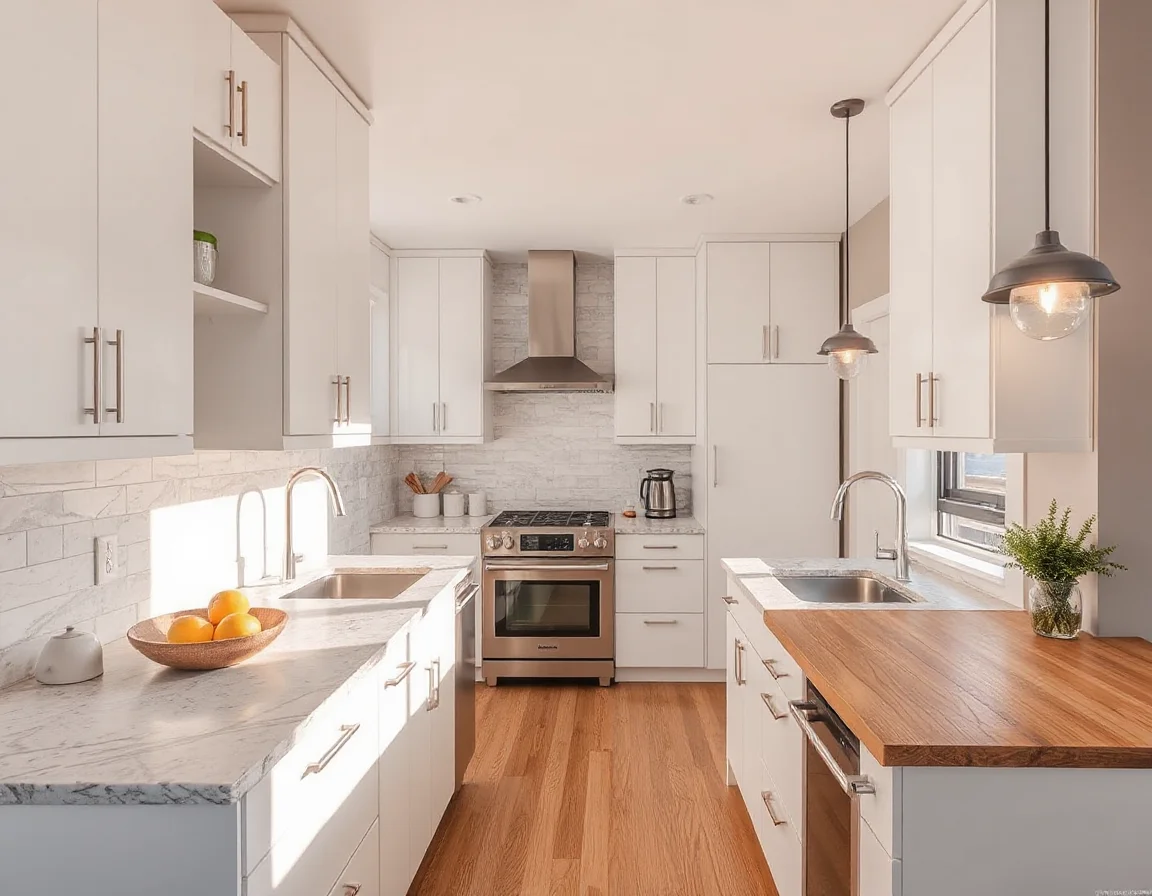
- Updated kitchen or bath finishes that reduce immediate projects
- In-unit laundry or building laundry that fits daily routines
- A professionally managed building with understandable association documents
At this level, it is useful to distinguish cosmetic updates from more substantial improvements. Fresh paint and new fixtures can be appealing, but buyers should also consider windows, plumbing, electrical systems, appliances, storage, and the condition of common areas. The unit and the building deserve equal attention.
Assessment amounts can vary widely from one property to another. Higher monthly assessments are not necessarily negative if they reflect included utilities, staffing, insurance, amenities, or responsible reserve funding. The key is understanding exactly what the payment covers and whether it fits your ongoing budget.
The $300,000–$400,000 Range
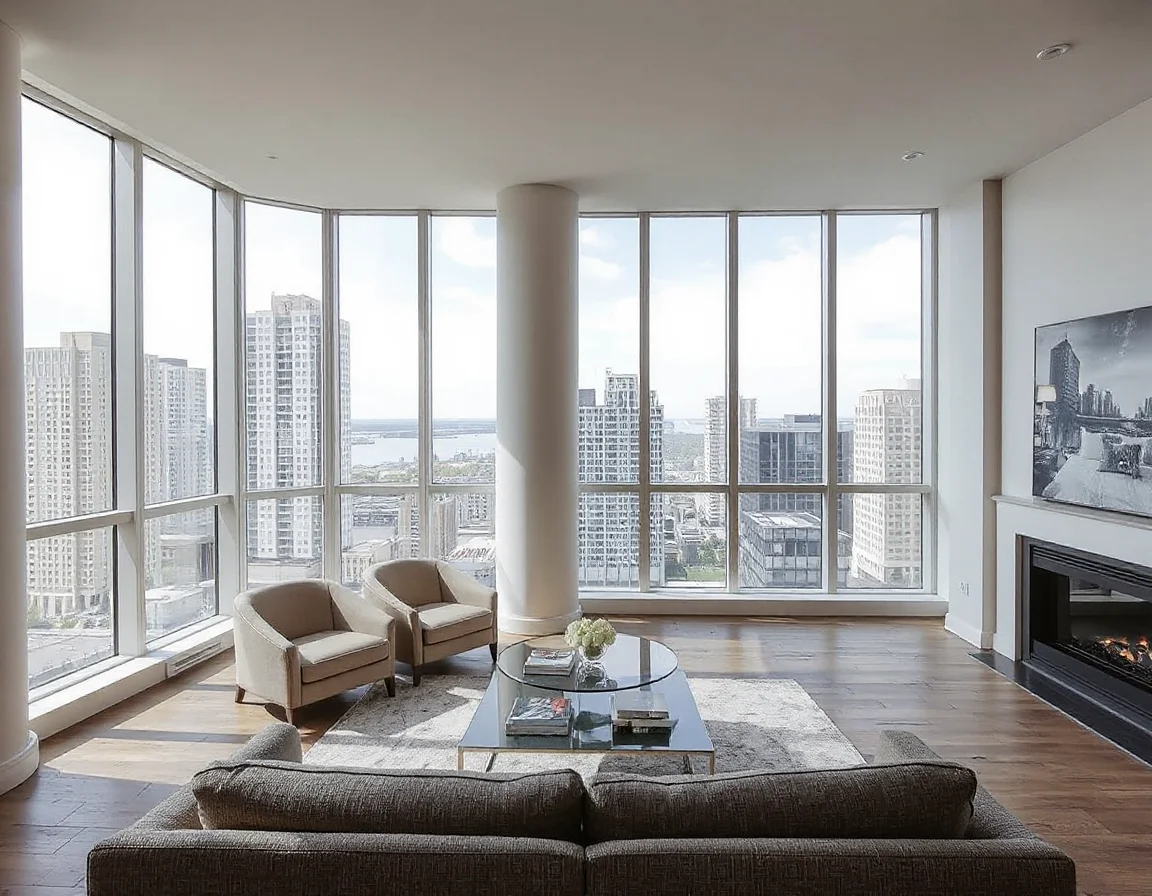
Moving toward $400,000 can broaden the search for buyers who want more space, a more updated interior, an additional bedroom, or a building with particular amenities. Depending on the specific listing, this range may also create more options for homes with distinctive vintage details, larger entertaining areas, or a stronger separation between living and sleeping spaces.
That added flexibility does not remove the need for comparison. Two condos at a similar price can offer very different experiences: one may be extensively renovated in a smaller building, while another may offer more square footage or building amenities with a different assessment structure. The best choice depends on how you plan to live in the home and what you value most over the next several years.
Potential Opportunities in This Range
- More generous one-bedroom layouts or select two-bedroom residences
- Renovated kitchens, baths, or open living areas
- Elevator buildings or homes with added building amenities
- Private balconies, shared roof decks, or other outdoor-access features
- Additional storage, parking options, or flexible work-from-home space
Buyers should avoid assuming that a higher price automatically equals fewer future costs. Review the association’s budget, reserve information, meeting minutes, rental policies, and planned capital work. These documents help show whether the building’s financial and maintenance approach supports the lifestyle and resale confidence you want.
A condo can be a strong fit because of its location, layout, and finish level, but the association is part of the purchase. Reviewing its documents early can prevent surprises after you are emotionally invested in a home.
How to Compare Homes Beyond the Photos
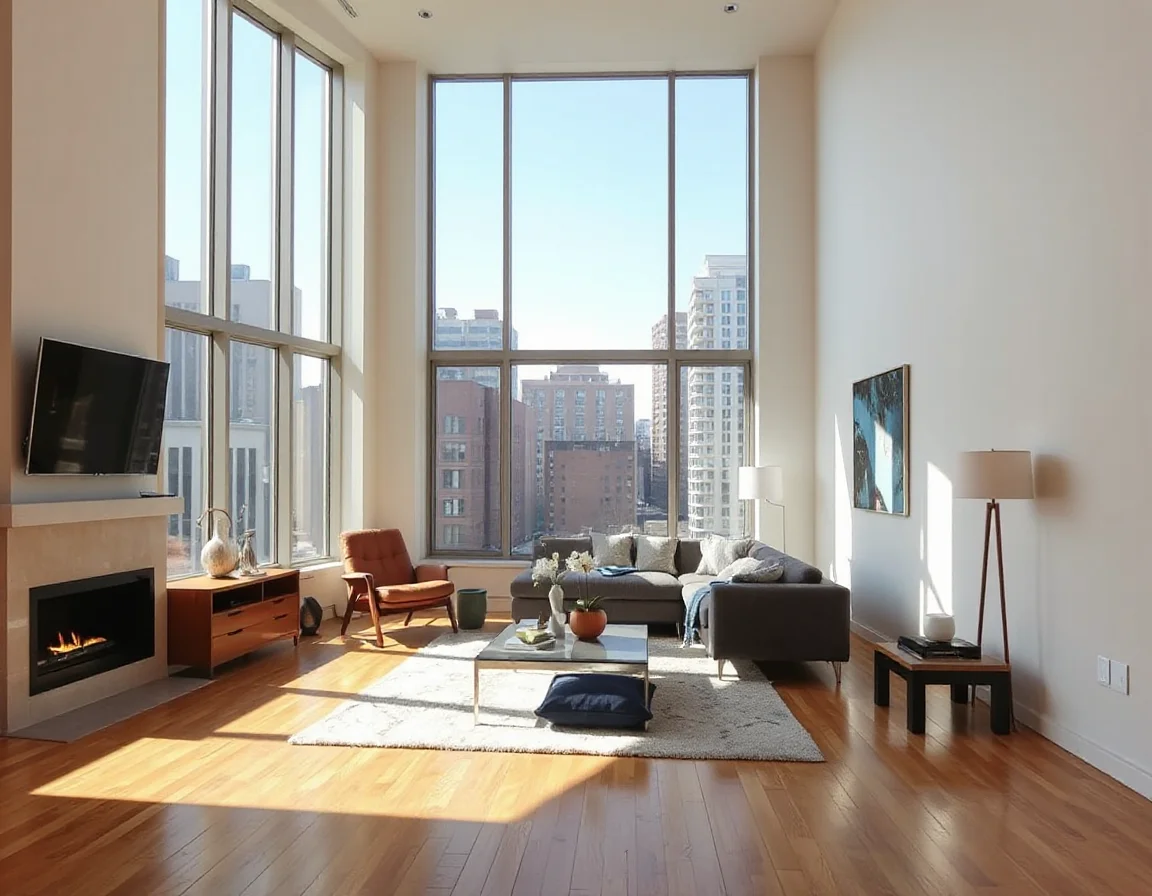
Online listings are a useful starting point, but an in-person visit often reveals the details that determine whether a condo feels right. Notice natural light, street noise, ceiling height, closet space, room proportions, and the flow between the kitchen and living areas. Consider how your furniture, work needs, guests, and everyday routines would fit into the space.
Take time to walk the block as well. Uptown offers a variety of micro-locations, and the experience can shift from one street to the next. Look at transit access, nearby grocery options, park and lakefront connections, building upkeep, and the overall feel of the immediate surroundings at different times of day.
Questions to Ask Before Making an Offer
- What does the monthly assessment include?
- How are the association’s reserves and recent financials?
- Are there planned repairs, special assessments, or major projects under discussion?
- What are the rental, pet, move-in, and parking policies?
- How does this home compare with other Uptown options in total monthly cost and condition?
Answers to these questions provide context that a listing description cannot. They can also help you compare homes fairly when one property offers lower monthly costs and another offers more finished space or amenities. A confident decision comes from seeing the complete picture.
Finding the Right Uptown Fit
The $200,000–$400,000 range gives buyers meaningful choices in Uptown Chicago, but the most successful search begins with a plan. Identify your priorities, keep an eye on the complete monthly budget, and compare both the individual residence and the health of the building behind it.
Whether you are looking for a first home, a more functional layout, or a condo that supports your next chapter in Chicago, careful guidance can make the search more efficient and grounded. Ready to explore what your budget can buy in Uptown Chicago? Connect with Daniel Ledo to compare current options and make a confident move.