

Rent vs Buy in Chicago in 2026: What Makes Sense for You?
When you’re weighing renting vs buying in Chicago in 2026, the decision is about more than the monthly payment. Your timeline, upfront cash, preferred neighborhood, and long-term goals all matter. Renting can protect flexibility, while buying can create stability and equity when you are prepared to stay put.
When you’re weighing renting vs buying in Chicago in 2026, it’s not just about affordability—it’s about lifestyle, investment strategy, financial goals, and timing. With shifting market dynamics, interest rates, and inventory trends, this decision requires clarity, not guesswork.
Here’s a practical breakdown of rent vs buy in Chicago right now.

Article image sources: https://s3-rd-prod.chicagobusiness.com/styles/1200x630/s3/skyline1.jpg?h=7d330285, https://cdn.apartmenttherapy.info/image/upload/v1695759004/at/house%20tours/2023-House-Tours/2023-September/house%20calls/nadia-s/calls-chicago-nadia-s-9175.jpg, and https://resources.atproperties.com/images/MRED/12/541/388/695d360fb104e/1.jpg.


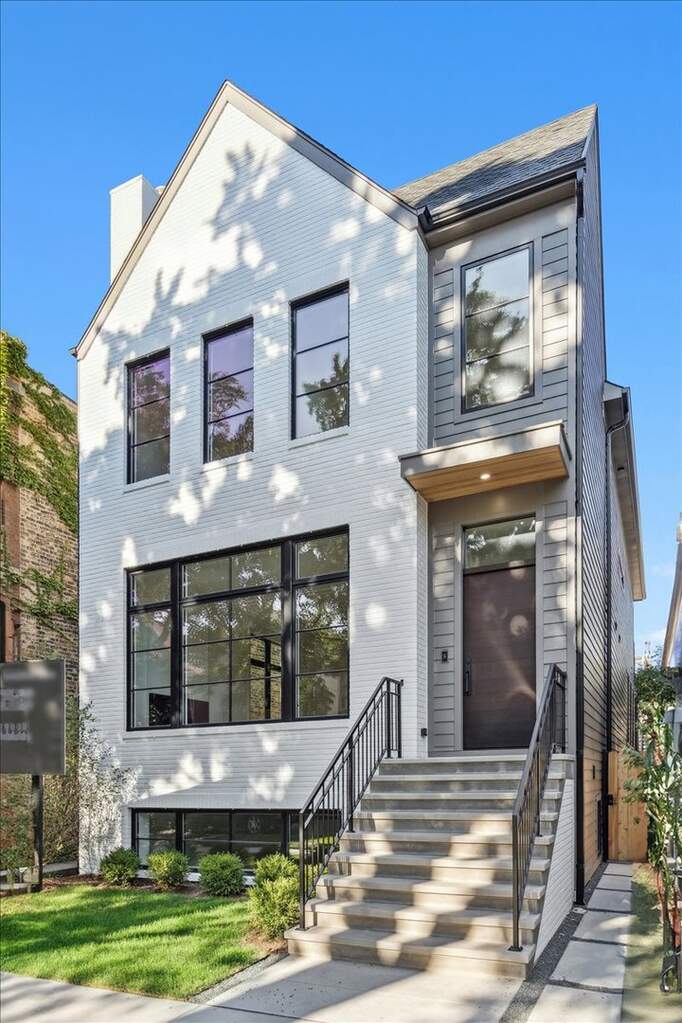
Chicago Housing: The Big Picture in 2026
In 2026, Chicago’s market is defined by:
- Stabilized pricing after earlier volatility
- More inventory especially in condos
- Transit-oriented demand in neighborhoods like Uptown, Edgewater, Rogers Park
- Rent pressures in core areas
- Buyers gaining more leverage than recent years
These factors shape the rent vs buy decision in real and measurable ways. A neighborhood’s transit access, building type, amenities, and condition can affect both rental pricing and the carrying costs of ownership.
More condo inventory can give qualified buyers additional room to compare buildings, dues, taxes, and location before making a long-term commitment.
Rent in Chicago: What You’re Paying
Rental pricing varies substantially across Chicago. Core locations, easy CTA access, newer amenities, and updated finishes can move a monthly rent well beyond the citywide range, while a different layout or location can create a more manageable option.

Article image sources: https://www.oppeinhome.com/upload/images/ueditor/20240319/chicago-luxury-apartments-project-oak-wood-large-open-kitchen-cabinets.webp, https://www.powerconstruction.net/sites/default/files/styles/extra_large/public/images/the-main-exterior-dusk-corner-of-building-6.26.2017.jpg?itok=CdqTwe2I, and https://cdn.apartmenttherapy.info/image/upload/f_jpg%2Cq_auto%3Aeco%2Cc_fill%2Cg_auto%2Cw_1500%2Car_1%3A1/at%2Fhouse%20tours%2F2025%2Fseptember%2Fjoyce-c%2Ftours-chicago-joyce-c-2.

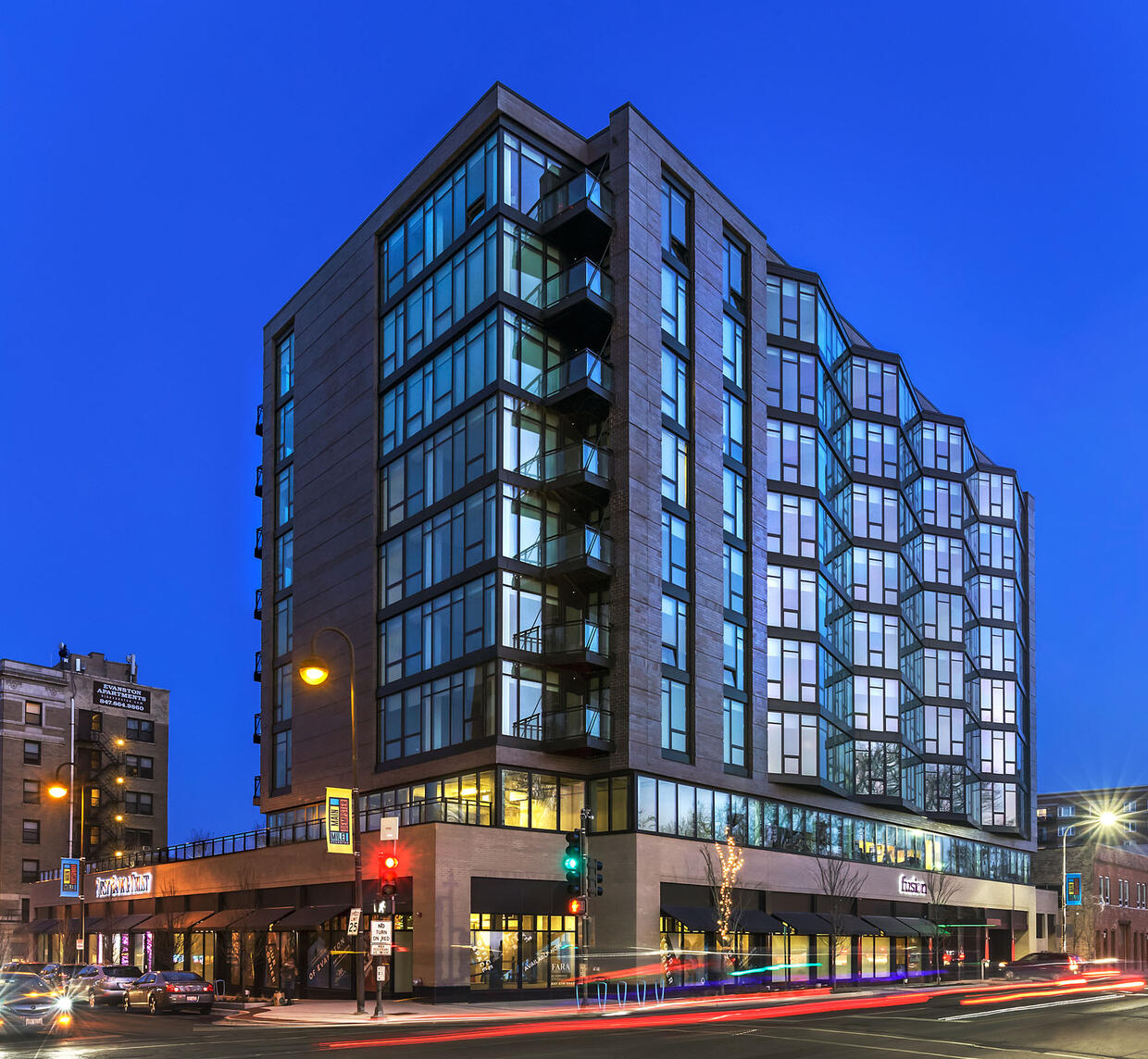
Typical Rental Costs (2026 Estimates)
- Studio: $1,300–$1,800/month
- 1-Bedroom: $1,700–$2,400/month
- 2-Bedroom: $2,200–$3,200/month
Pricing varies by neighborhood, amenities, and condition.
Pros of Renting
- Flexibility to move quickly
- No property taxes
- No maintenance costs
- No HOA fees
Cons of Renting
- No equity build-up
- Rents can increase annually
- Less control over your space
- No tax advantages
Buy in Chicago: What Ownership Costs
Ownership has a higher upfront commitment, but it also gives buyers a chance to choose a home and building that suit their routine, budget, and longer-term plans. For condo buyers, the monthly picture should include more than the mortgage payment alone.
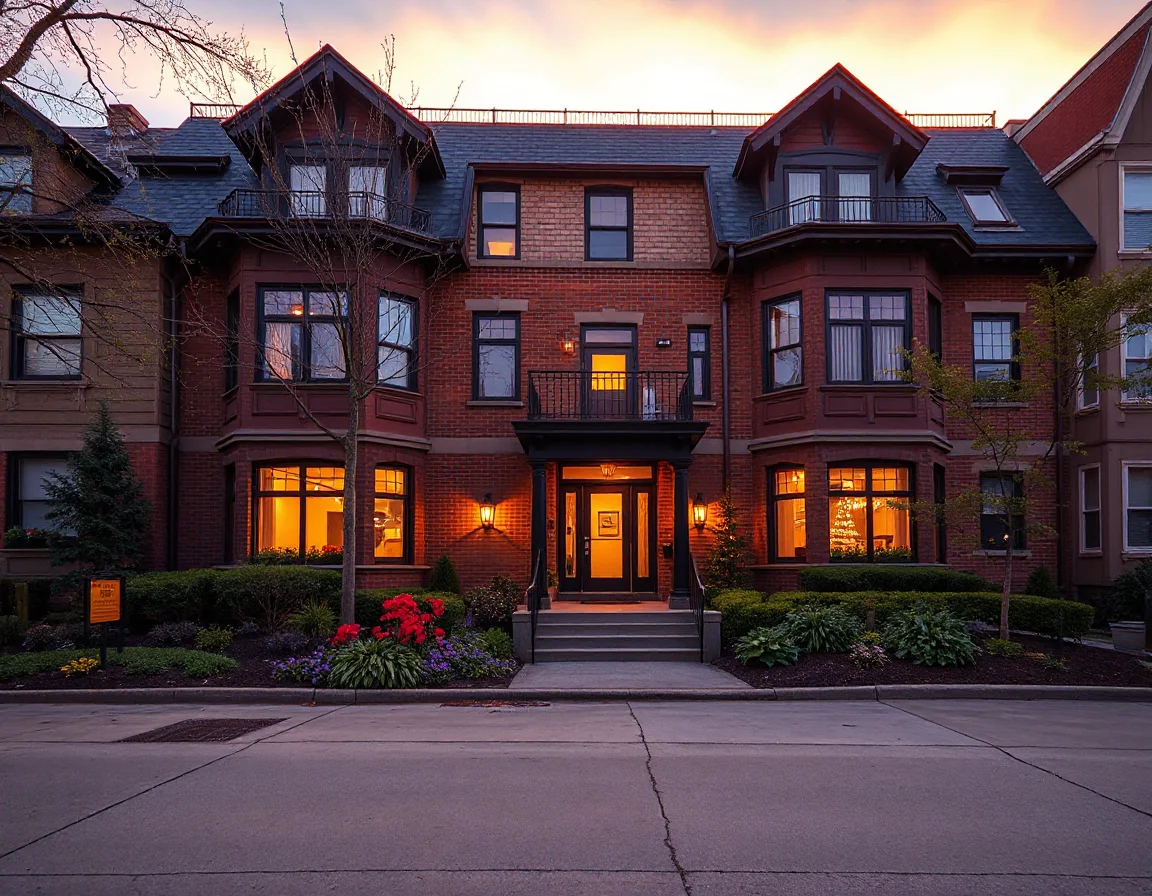
Article image sources: https://cdn.apartmenttherapy.info/image/upload/v1608078409/at/house%20tours/2021-01/Julie%20M/1053_01b.jpg, https://upload.wikimedia.org/wikipedia/commons/thumb/5/5f/Marina_City%2C_Chicago%2C_Illinois%2C_Estados_Unidos%2C_2012-10-20%2C_DD_01.jpg/960px-Marina_City%2C_Chicago%2C_Illinois%2C_Estados_Unidos%2C_2012-10-20%2C_DD_01.jpg, and https://hips.hearstapps.com/hmg-prod/images/summer-thornton-chicago-home-tour-exterior-67537dd75113e.jpg?resize=2048%3A%2A.


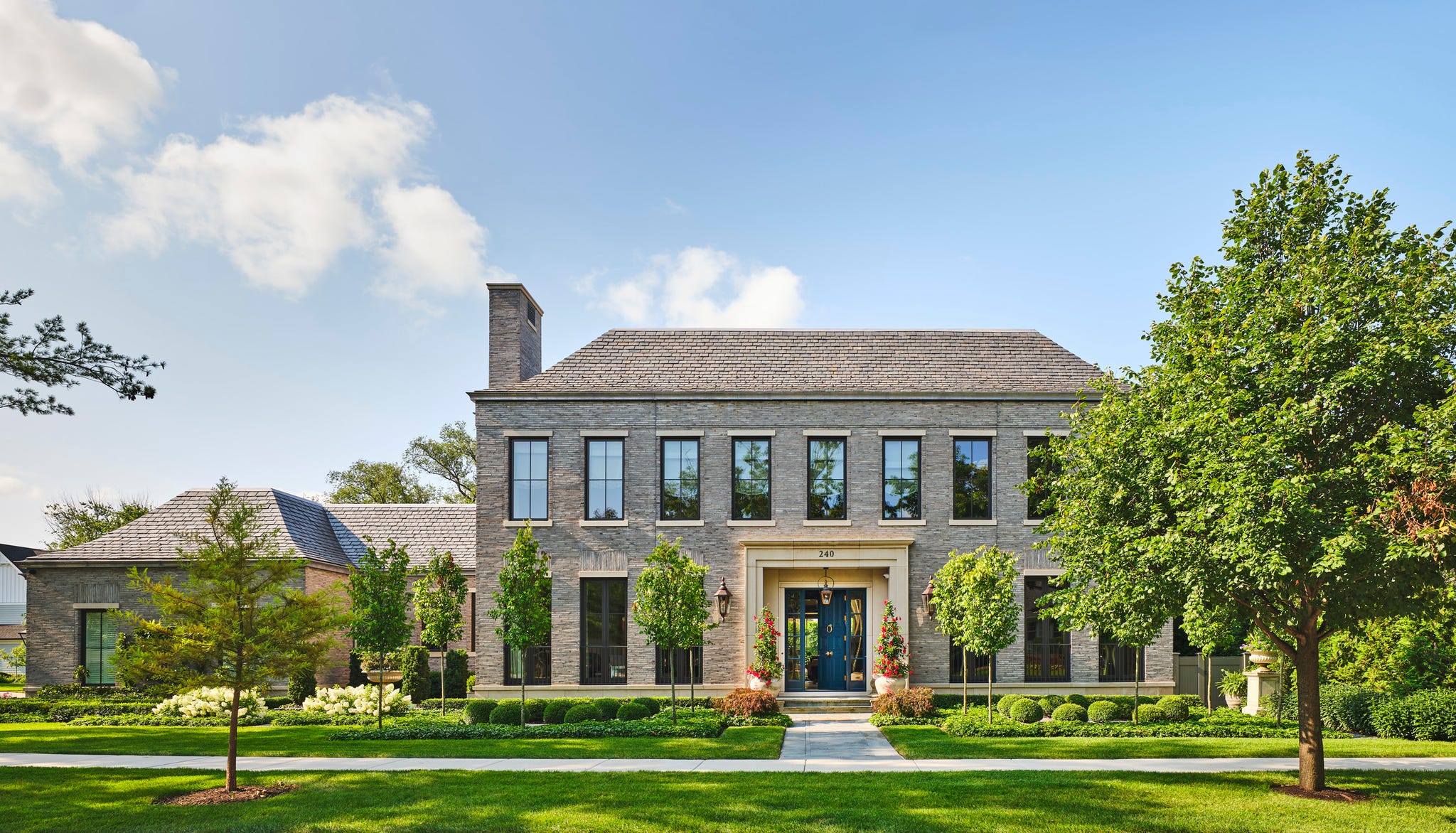
Example Ownership Costs (Hypothetical)
$350,000 Condo
- 10% down: ~$35,000
- Monthly mortgage: ~$1,900–$2,400
- HOA dues: $300–$700+
- Property taxes & insurance: $300–$450
Totals vary based on interest rates, down payment, and building.
Pros of Buying
- Equity growth potential
- Fixed monthly principal/interest (with fixed rate)
- Tax deductions (mortgage interest & property tax)
- Greater control over your space
- Shelter from rising rents
Cons of Buying
- Higher upfront cost
- Maintenance and HOA dues
- Less flexibility to move quickly
- Market timing risk
The Financial Comparison
Here’s a simplified side-by-side:
| Factor | Rent | Buy |
|---|---|---|
| Monthly Cost | Usually lower up front | Higher monthly obligation |
| Equity | None | Builds over time |
| Flexibility | High | Lower |
| Tax Benefits | None | Yes |
| Predictability | Variable | More predictable (with fixed mortgage) |
| Long-Term Value | None | Potential appreciation |
Key takeaway: Renting saves upfront cash and offers flexibility. Buying builds wealth over time if you plan to stay 5+ years.
Compare the full monthly ownership cost—mortgage, HOA dues, property taxes, insurance, and maintenance expectations—against rent before deciding what fits your budget.
Where Chicago Renting Makes Sense
Renting is ideal if you:
- Expect job relocation soon
- Want to test neighborhoods
- Don’t want maintenance responsibilities
- Value flexibility over equity
Neighborhoods with strong rental markets today include:
- Near CTA lines (Red, Brown, Blue)
- University areas
- Downtown adjacencies
Where Buying Makes Sense
Buying tends to win when:
- You plan to stay 5+ years
- You want to build equity
- You’re financially ready for upfront costs
- You want predictable housing costs
Strong buy markets often have:
- Stable long-term demand
- Transit access
- Lifestyle appeal
Neighborhoods like Uptown, Edgewater, and Rogers Park often offer attractive buy opportunities under $500K.
When Rent vs Buy “Breaks Even”
There’s no perfect formula, but a common rule of thumb is: If your monthly mortgage payment + expenses is within 10–15% of rent, buying becomes more favorable long term.
Example:
- Rent: $2,200
- Mortgage + taxes + HOA: $2,300
→ Buying may offer long-term value.
The Bottom Line in 2026
Renting = flexibility
Buying = investment + stability
There’s no one-size-fits-all answer—just the right answer for you based on:
- Timeline
- Budget
- Goals
- Neighborhood preference
Still Not Sure?
Let’s run the real numbers together. I’ll compare:
- Your rent vs potential mortgage
- Neighborhood price trends
- Long-term equity projections
Contact me to build a personalized rent vs buy strategy that fits your Chicago goals.