

A Chicago condo’s financing eligibility depends on the building as much as it depends on the buyer. Before you commit to a unit, review the association’s occupancy, reserves, delinquency, litigation, assessments, insurance, and loan-program eligibility. A strong building profile can help keep your financing on track from offer through closing.
If you’re buying a condo in Chicago, approval isn’t just about your credit. It’s also about the building.
In Chicago’s condo market, a unit can be perfect—but if the building isn’t considered “lendable,” financing can fall apart quickly.
Here’s what determines whether a Chicago condo qualifies for conventional or FHA financing in 2026.
1. Owner-Occupancy Ratio
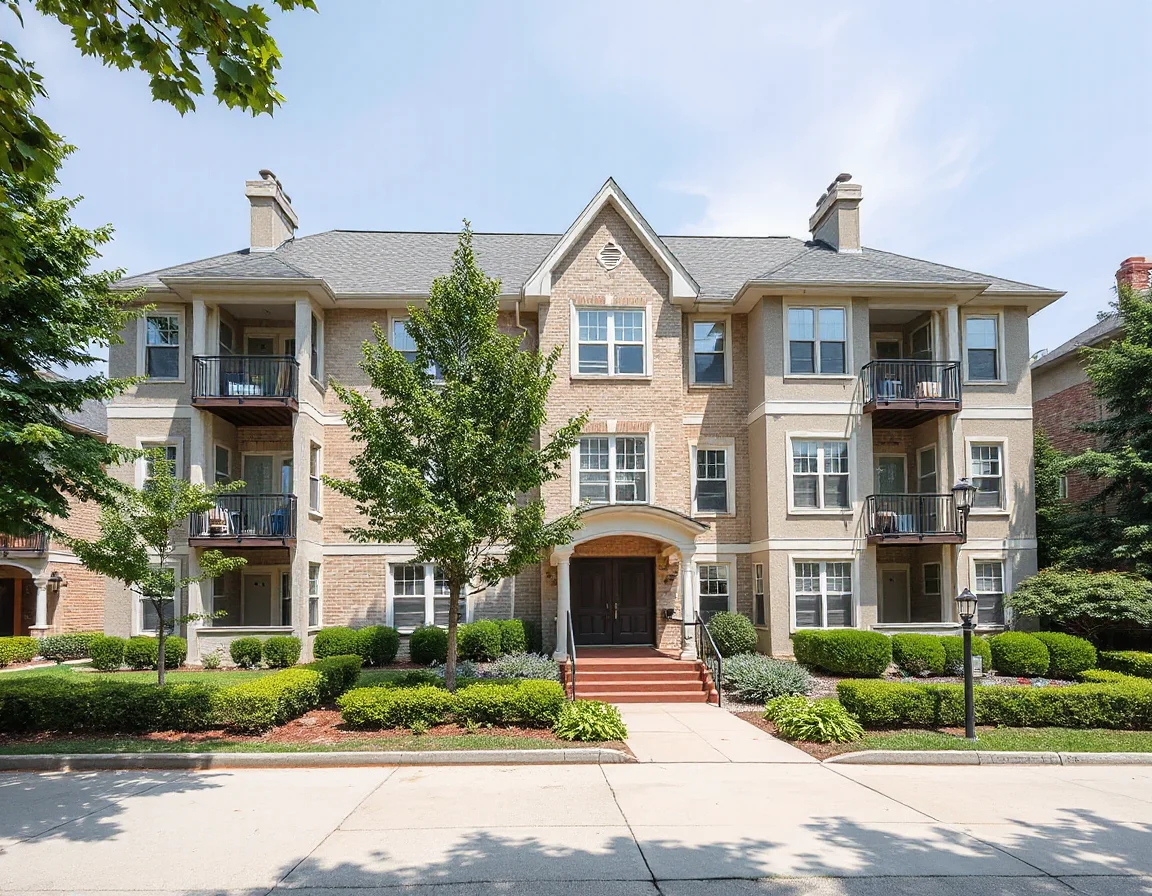
Lenders prefer buildings where a majority of units are owner-occupied. A building with a healthy owner-occupancy ratio is generally viewed as more stable because the people with an ownership stake are more likely to be invested in the property’s long-term condition and financial management.
Why it matters:
- Owner-occupied buildings are viewed as more stable.
- High investor ratios increase perceived risk.
- Some lenders require 50%+ owner occupancy.
If too many units are rented, financing options shrink. This is especially important for buyers using loan programs with building-level requirements, because a lender may evaluate the condominium association before it fully evaluates the individual unit.
2. HOA Financial Health
A building’s budget and reserves are critical. Lenders review the association’s finances to understand whether routine maintenance, capital projects, and unexpected needs can be addressed without creating avoidable instability for owners.
Lenders review:
- Annual HOA budget.
- Reserve balance.
- Percentage allocated to reserves.
- Delinquency rates.
As a general benchmark, buildings allocating 10% or more of their budget to reserves are viewed more favorably. Weak reserves = higher financing risk.
A low monthly assessment is not automatically a financial advantage. A buyer should also look at whether the association is consistently setting aside funds for major repairs and future building needs.
3. Delinquency Rates
If too many owners are behind on HOA dues, lenders hesitate. Delinquent assessments can limit an association’s ability to pay insurance, utilities, maintenance vendors, and other operating obligations.
Common lender threshold:
- No more than 15% of owners delinquent.
High delinquency signals financial instability and potential future assessments. It can also narrow the number of lenders willing to make loans in the building, even when a buyer otherwise has strong credit and income.

4. Pending Litigation
If a condo association is involved in active lawsuits—especially structural or construction-related litigation—many lenders will not approve loans in the building.
Not all litigation is fatal, but it must be evaluated carefully. The nature of the claim, the potential financial exposure, insurance involvement, and the association’s response can all affect whether financing remains available. Buyers should learn about active litigation early rather than discovering it after inspections or during underwriting.
5. Special Assessments
Special assessments aren’t automatically a deal breaker. However:
- Large, unexpected assessments raise red flags.
- Repeated short-term assessments signal poor planning.
Lenders want to see proactive maintenance—not reactive crisis management. A clearly documented assessment for a necessary project may be manageable, while a pattern of emergency assessments can suggest that the building’s reserve planning has not kept pace with its needs.
Before writing an offer, ask how any current special assessment is being paid, whether it has been fully collected, and whether additional major projects are anticipated. The answers can affect both loan approval and your true monthly cost of ownership.
6. FHA & VA Approval Status
Some buyers rely on FHA or VA loans. For FHA approval, the building must:
- Be FHA certified (or eligible under spot approval rules).
- Meet owner-occupancy and financial criteria.
Not all Chicago condo buildings qualify. If you need FHA financing, the building must be vetted before making an offer. Buyers using VA financing should likewise confirm that the property and association can satisfy the applicable requirements before moving too far into the purchase process.
7. Insurance Coverage
Lenders verify that the condo association carries adequate:
- Master hazard insurance.
- Liability coverage.
- Fidelity insurance (in many cases).
Insurance gaps can derail financing late in the process. Adequate coverage matters because the master policy is a key part of protecting the shared structure and the association from risks that could otherwise become a significant financial burden for unit owners.
Why This Matters More in Chicago
Chicago has:
- Many vintage buildings.
- High-rise lakefront properties.
- Mixed investor-owner communities.
That diversity means lending standards vary significantly building to building—even on the same block. Two identical units can have completely different financing outcomes depending on HOA health.
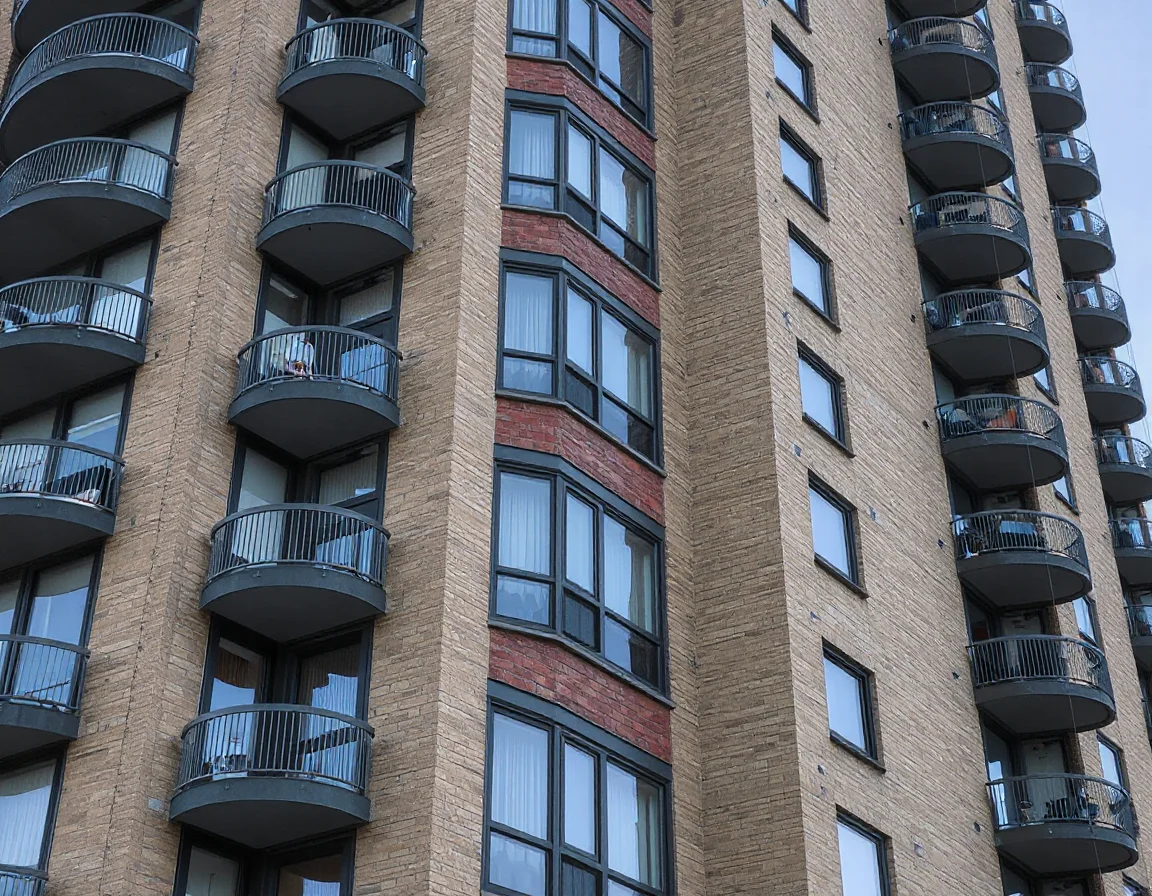
In a market with historic walk-ups, boutique elevator buildings, large high-rises, and mixed-use condominium communities, the association’s records are part of the due diligence. Reviewing them early gives buyers a clearer view of both the building’s financial condition and the practical lending path for the purchase.
The Bottom Line
A “lendable” Chicago condo building typically has:
- Strong reserves.
- Low delinquency rates.
- No problematic litigation.
- Balanced owner-occupancy.
- Adequate insurance.
Before falling in love with finishes, verify the building qualifies for your financing strategy. Because in Chicago condo real estate, you’re not just buying a unit—you’re buying into the building’s financial structure.
Considering a condo purchase?
Let’s review the building’s financials first and make sure your financing won’t hit a wall mid-contract.