


A weekend in Lincoln Park can reveal the practical rhythms that listing photos cannot: how sidewalks move, where errands fit into the day, and how a block feels after sunset. Use these six clues to compare homes with the surrounding streets, green space, transit access, and everyday conveniences before making an offer.
Make the Weekend Part of Your Home Search
A showing can tell you about ceiling height, storage, finishes, and sunlight. A weekend visit can tell you how a home connects to the larger neighborhood. Lincoln Park offers a dense mix of historic residential blocks, multifamily buildings, parks, cultural destinations, transit options, and commercial corridors, so the experience may change noticeably from one pocket to the next. Rather than treating the neighborhood as one broad label, use a few unhurried hours to notice the details that will shape daily routines.
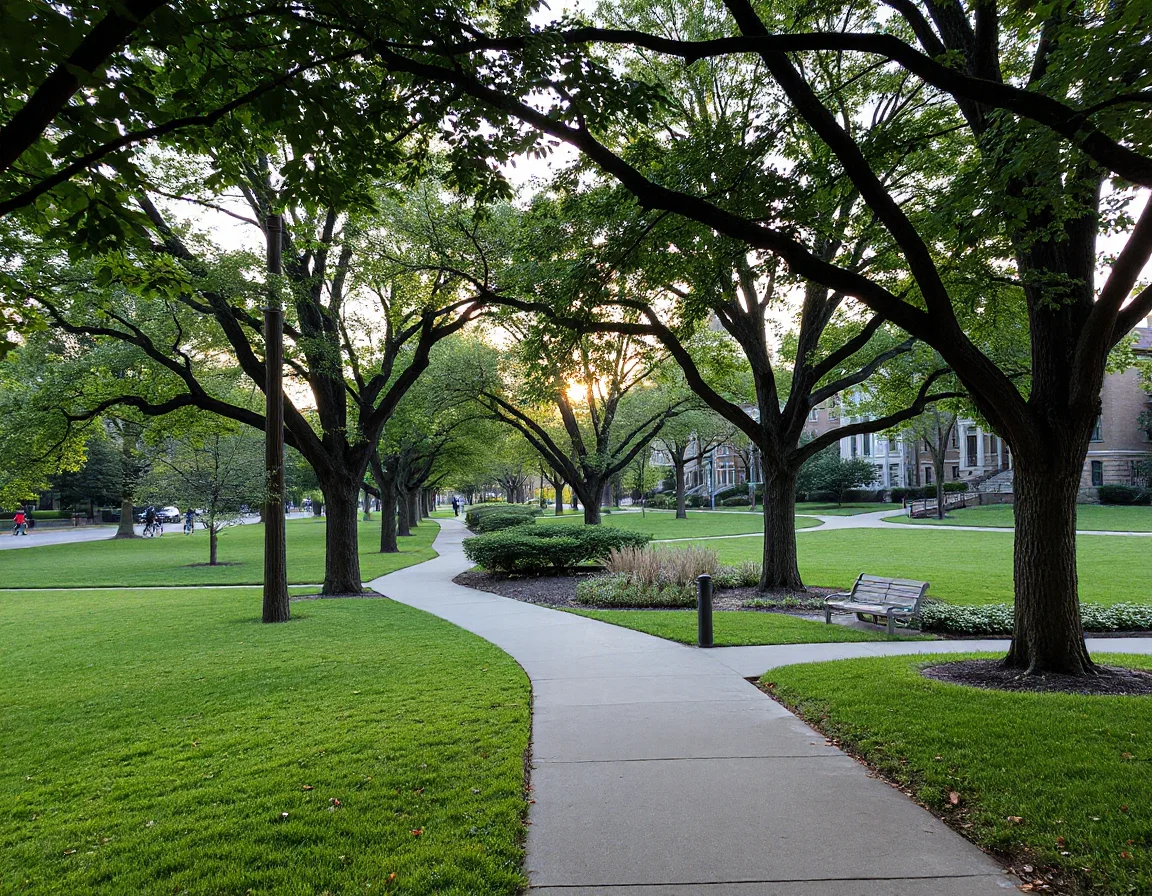
Clue 1: Watch the block at more than one hour. Arrive once in the morning and, if possible, return in the late afternoon or evening. Notice delivery activity, curbside parking turnover, pedestrian traffic, lighting, and the pace of nearby intersections. A quiet weekday showing may not reflect a Saturday near a popular park entrance or a busy corridor. The goal is not to judge a block by one moment, but to understand its recurring pattern.
Clue 2: Walk the route you would actually use. Map the distance from the property to the train, bus stop, grocery options, pharmacy, park path, and the places where you expect to spend time. Then walk it without rushing. Count the crosswalks, note street widths, and consider how the route feels with groceries, a backpack, or changing weather. Lincoln Park’s walkable layout is a major draw, but a few blocks can make a meaningful difference in convenience and noise exposure.
A ten-minute walk on a map can feel very different when it includes a major intersection, a bridge, or a stretch with limited shade. Test the route in person before assigning value to “walkability.”
Clue 3: Spend time near the green space, not just beside it. Lincoln Park’s lakefront setting, recreational paths, gardens, and open lawns are significant neighborhood amenities. Visit nearby park areas during the same season and time of day when you would most likely use them. Observe whether you prefer immediate access to active paths and programmed spaces or a home set a few blocks back with a calmer residential feel. Neither choice is better; it is a matter of matching the property’s location to the routine you want.
Read the Details Beyond the Front Door
The next clues are less about first impressions and more about ownership. In a neighborhood with vintage greystones, brick condominiums, converted flats, townhomes, and newer construction, two homes with similar square footage can have very different maintenance profiles, monthly costs, and use of space. Bring a notebook, take time to compare listings, and ask focused questions about the building as well as the individual unit.
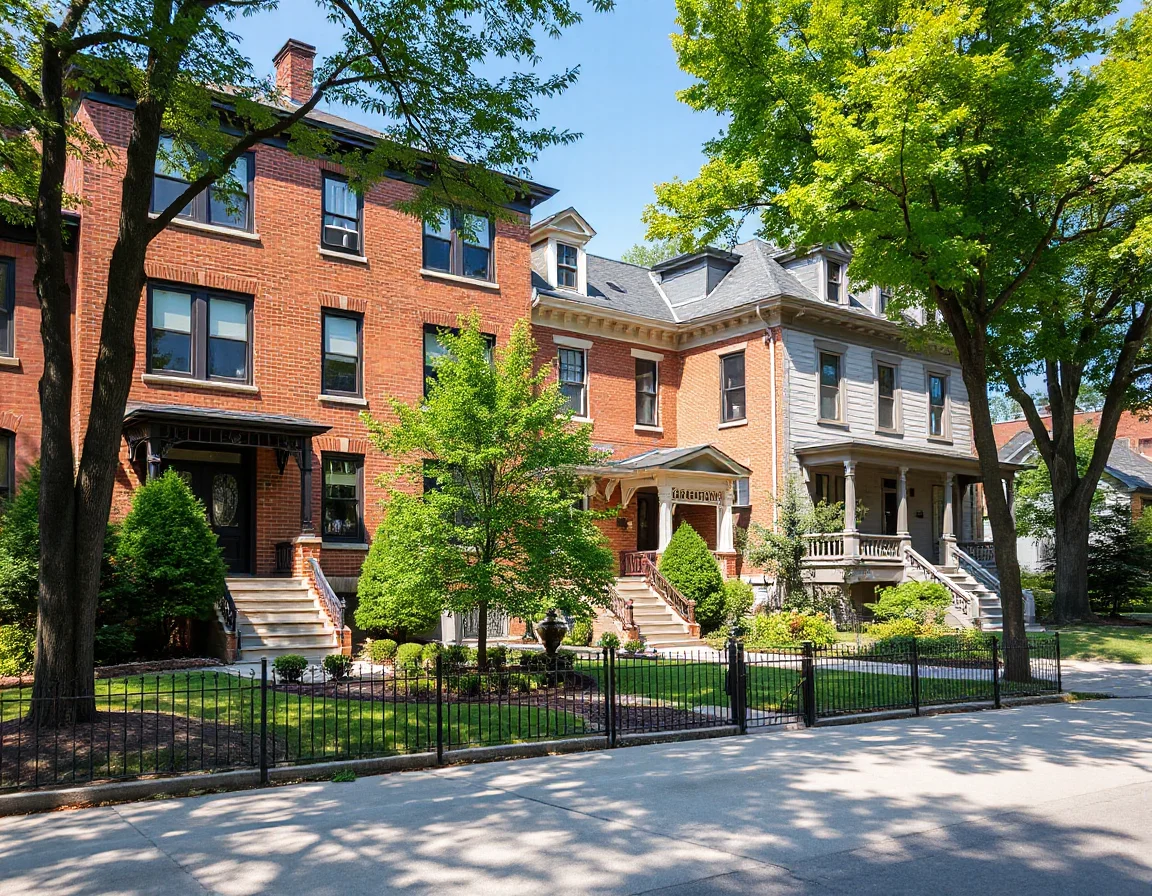
Clue 4: Compare sound, light, and privacy at the property itself. Stand quietly in each room for a few minutes. Open and close windows. Listen for rail lines, buses, traffic, delivery vehicles, activity from adjacent buildings, and mechanical systems. Look at the angle of neighboring windows, the exposure of outdoor space, and the direction of sunlight. These are intensely personal preferences, and they are easier to evaluate before an offer than after move-in.
Clue 5: Ask what the monthly number includes. For condos, assess the full monthly picture: association dues, taxes, utilities that may be included, parking costs, planned capital projects, reserves, rental policies, and any upcoming assessments. For single-family homes and townhomes, ask about the age and condition of roofing, masonry, windows, heating and cooling equipment, drainage, and exterior hardscape. A lower list price does not automatically mean lower ownership costs, particularly when deferred maintenance is part of the equation.
Clue 6: Test your errand radius. Choose a simple weekend task: pick up groceries, grab coffee, visit a library branch, meet a friend in an outdoor space, or take a transit trip to another part of Chicago. The point is to see how naturally the home fits into the city. Near North Avenue, Clark Street, Lincoln Avenue, Armitage Avenue, and the lakefront, the mix of movement and amenities can vary block by block. A home that supports your preferred rhythm is often more satisfying than one chosen solely for an impressive interior finish.
When comparing two appealing homes, write down one “day-in-the-life” advantage for each. The better fit is often the property whose location works well even when the weather, schedule, or transit timing is less than perfect.
Use Observations to Make a More Confident Offer
A thoughtful weekend test does not replace inspections, attorney review, association document review, or professional market guidance. It does, however, help you ask stronger questions. If a building sits near an active route, you can investigate window quality and peak-hour sound. If a home is near a park, you can assess the convenience of that access alongside weekend activity. If a unit has an exceptional roof deck or garden, you can look more closely at maintenance responsibilities and privacy.
It is also useful to separate what can be changed from what cannot. Paint color, cabinet hardware, and light fixtures are usually manageable projects. Orientation, floor level, street conditions, building systems, and the distance to transit are enduring features. During a competitive search, that distinction can help buyers focus their energy on the factors that will still matter well after the closing date.
Lincoln Park rewards close observation because its appeal comes from layers: architecture, lakefront access, parkland, transportation, local institutions, and the everyday utility of a well-connected Chicago location. Give each finalist property a real-world test, compare notes soon afterward, and let the details guide the decision. The result is a purchase based not only on how a home looks during a showing, but on how it supports the life you plan to live there.
Ready to buy? See buying a condo in Lincoln Park.