

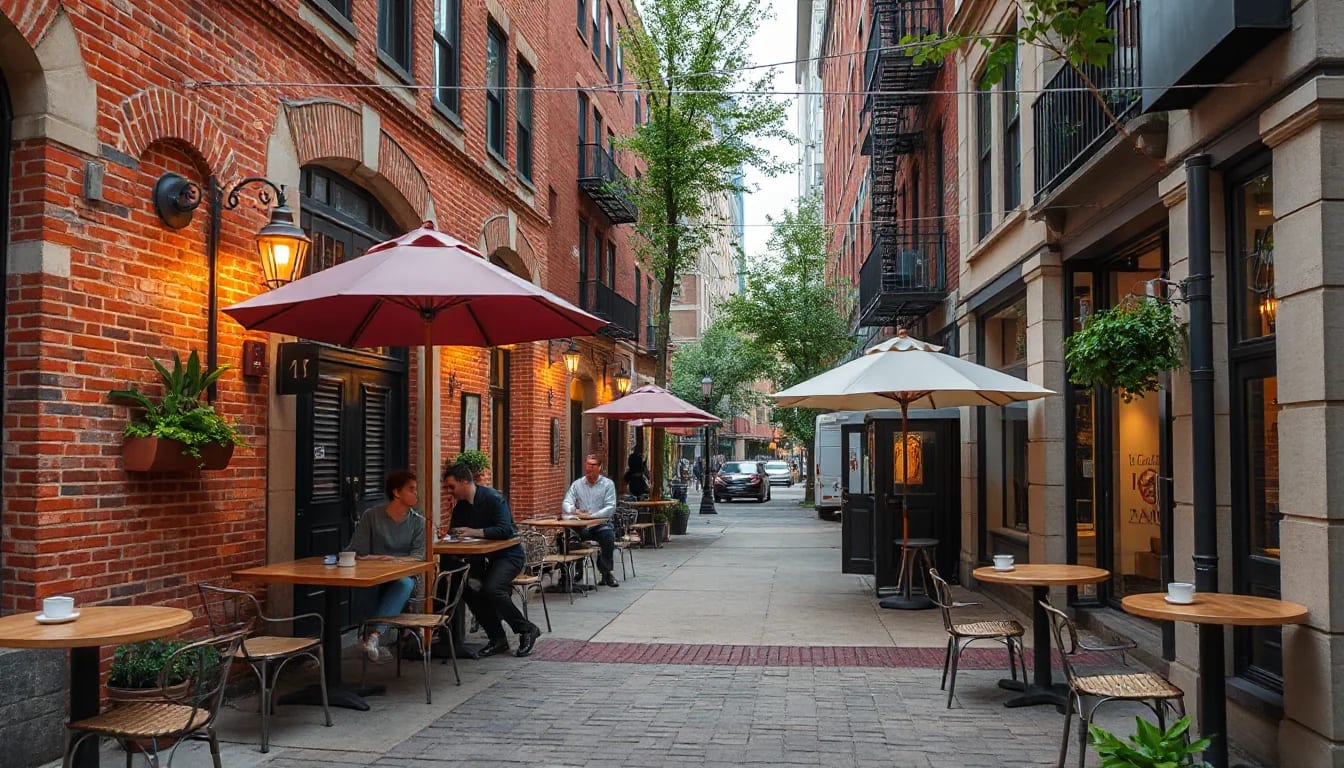
Chicago living is shaped by the routines that happen between work, home, and the lakefront: a walk through a park, a train ride across town, a favorite neighborhood meal, or an errand completed close to home. Understanding those everyday conveniences can help buyers compare locations with more confidence and imagine how a home may support their preferred rhythm.
The Everyday Map of Chicago Living
Chicago is a city of distinct streetscapes, transit connections, public green space, and local gathering places. While square footage and finishes matter, the experience of living in a particular home often comes down to what surrounds it: the route to a grocery store, the distance to a park bench, the availability of bus or rail service, and the ease of reaching destinations across the city. These details are worth noticing during a home search because they shape ordinary weekdays as much as weekend plans.
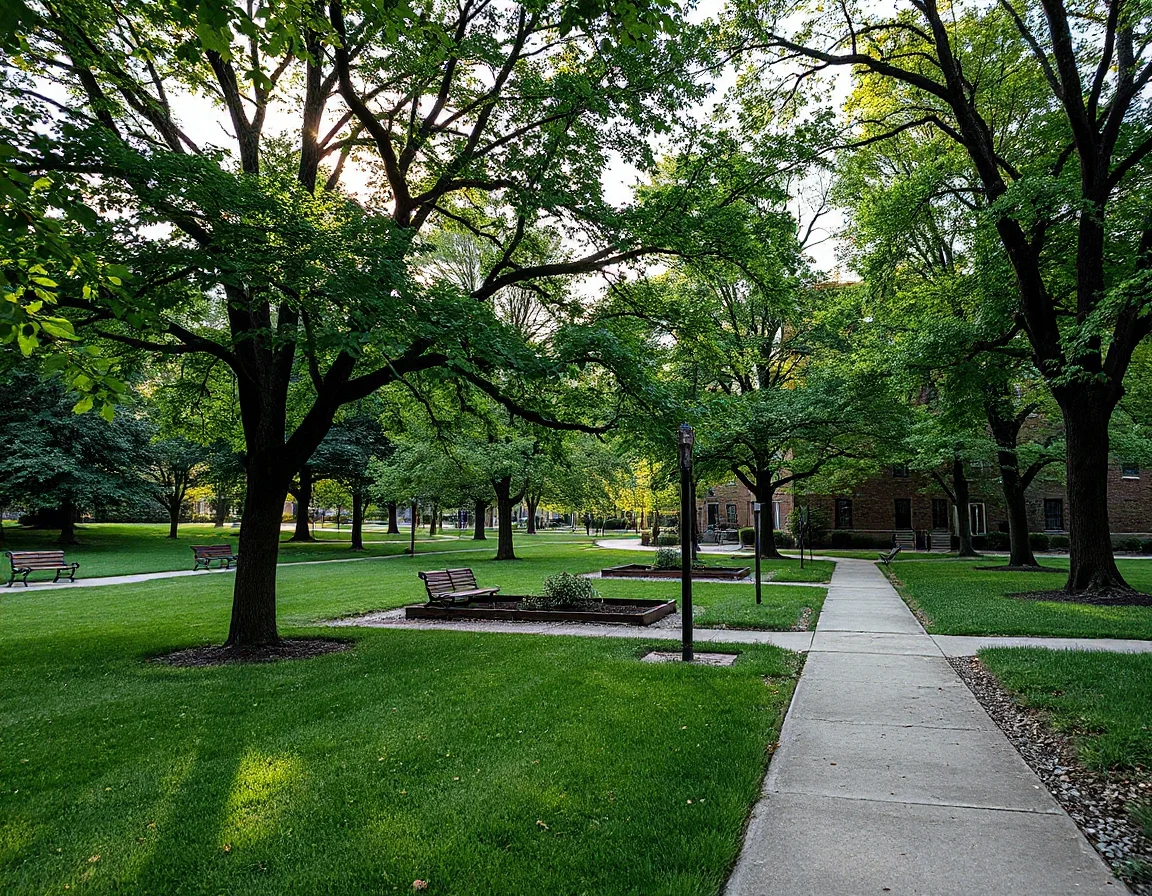
Public parks provide some of the city’s most visible daily amenities. From small landscaped squares to major destinations such as Lincoln Park, Grant Park, Humboldt Park, and Jackson Park, Chicago’s park system creates room for walking, cycling, recreation, seasonal events, and simply stepping outside. The Lakefront Trail adds another layer to that network, linking lake views, beaches, harbors, and open space along much of the shoreline. Access varies by address, so it is useful to visit a prospective area at the time of day when you expect to use it.
Park proximity is not only about a view from the window. Consider the practical details: Are there comfortable routes to get there? Is there room to sit, exercise, or spend time outdoors? How active is the area during the hours you are likely to visit? A quick walk around nearby blocks can reveal sidewalk conditions, street trees, lighting, bike infrastructure, and the ways residents use the space throughout the week.
When comparing homes, map a five-, ten-, and fifteen-minute walk from each address. That simple exercise often makes the difference between an amenity that sounds nearby and one that naturally becomes part of your routine.
Chicago’s seasons also make green space feel different across the calendar. Summer brings outdoor programming and lake breezes; autumn changes the texture of tree-lined streets; winter highlights transit access and the convenience of indoor destinations; and spring puts renewed attention on gardens, paths, and neighborhood blocks. A location that works well year-round is often one where the basics remain manageable regardless of weather.
Dining and Gathering Places Beyond the Reservation
Dining is one of Chicago’s great everyday pleasures, but its value in a home search goes well beyond special-occasion tables. Many neighborhoods offer a mix of quick counter-service meals, bakeries, local markets, longtime institutions, and newer culinary concepts. The useful question is not whether an area has a famous destination, but whether it offers options that fit the pace, budget, and timing of your regular schedule.
Exploring food and drink near a potential home can be an effective way to understand a neighborhood’s street-level rhythm. Visit on a weekday morning, a late afternoon, and a weekend evening if possible. Notice how long it takes to walk there, whether routes feel direct, where transit stops are located, and what else is nearby. A meal can become a practical research stop: it gives you time to observe pedestrian activity, building styles, noise levels, and the general movement of the block without relying on a single showing-day impression.
Chicago’s dining landscape is also highly connected to its broader cultural calendar. Farmers markets, neighborhood festivals, theater districts, music venues, museums, and seasonal events create reasons to explore areas outside one’s usual route. Residents can build an active local routine in many parts of the city, whether that means a lakefront walk followed by lunch, an evening near a performance venue, or a stop at a market for ingredients on the way home.
For home buyers, it can help to separate headline amenities from repeat-use amenities. A celebrated destination may be enjoyable once in a while, while a reliable coffee counter, grocery option, pharmacy, library branch, or casual meal nearby may have more influence on day-to-day convenience. Neither is inherently more valuable; the right balance depends on how you prefer to spend your time and how far you are comfortable traveling for essentials.
Transit, Errands, and the Value of a Connected Routine
Chicago’s buses, CTA rail lines, Metra stations, bike routes, major roadways, and walkable commercial corridors give residents multiple ways to move through the city. The best transportation fit is personal. Some buyers prioritize a short rail trip to a regular destination, while others focus on parking arrangements, highway access, cycling routes, or the ability to complete errands on foot. Reviewing those details before making an offer can help avoid assumptions based on a map alone.
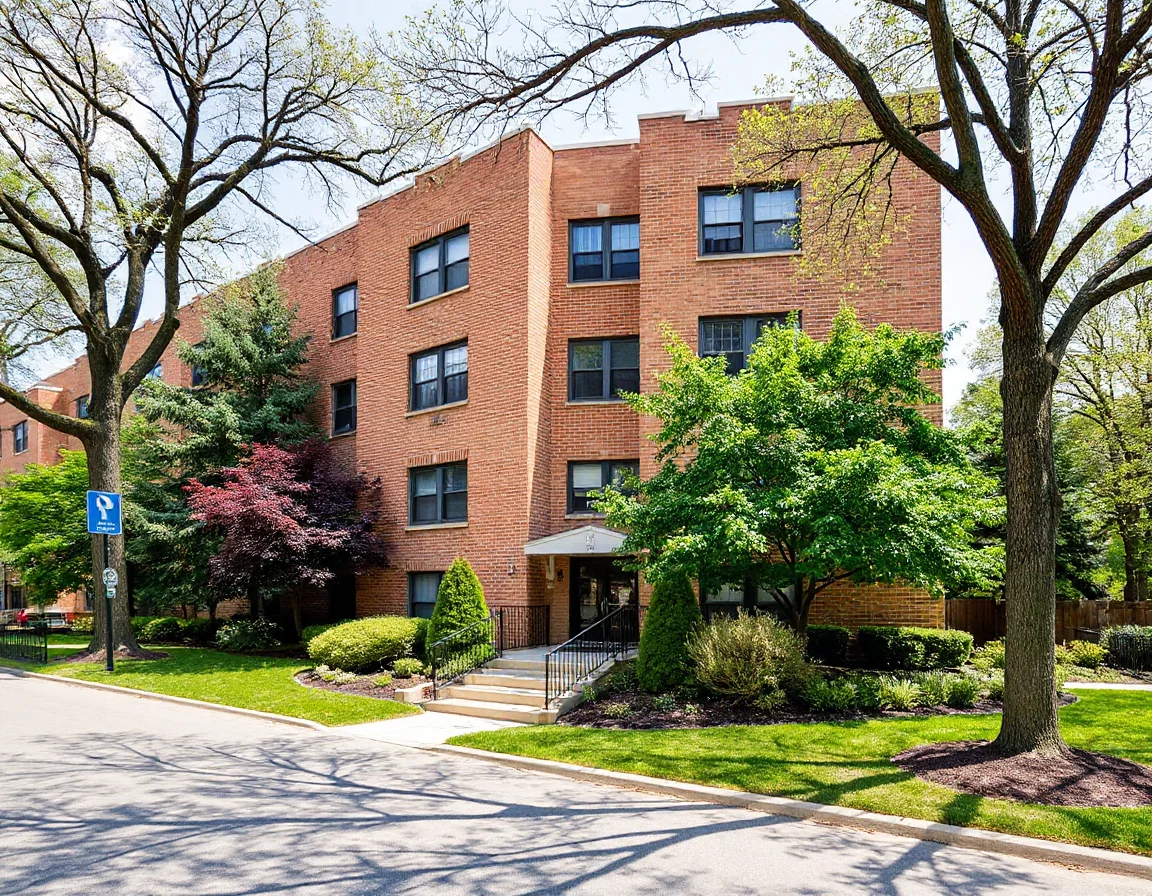
During a property visit, try the route rather than just discussing it. Walk to the nearest train platform or bus stop, drive the parking route, check where packages may be delivered, and locate nearby grocery, fitness, and personal-service options. If you work remotely, look for places that support a midday break or an easy transition into the evening. If you travel frequently, compare the route to airports, highways, or rail connections. These small observations help turn a listing into a realistic picture of daily life.
Building type matters here as well. A condominium may offer features such as an attended lobby, elevators, storage, fitness rooms, or shared outdoor areas, while a single-family home, townhouse, or two-flat may offer different levels of privacy, maintenance responsibility, and outdoor space. Buyers should review association documents, parking arrangements, reserve information, and rules alongside the home itself. Convenience comes from the whole package, not one amenity in isolation.
It is also wise to look at the immediate block from several angles. Street activity, nearby construction, delivery patterns, transit noise, and traffic can change by hour and season. Asking focused questions and returning at different times gives buyers more useful information than a rushed first impression. A thoughtful search accounts for both what is appealing now and what will remain practical after move-in.
A home’s daily convenience is often measured in minutes, not miles. Test the errands and travel routes you expect to repeat, then compare those experiences across the homes on your shortlist.
Turning Lifestyle Priorities Into a Clear Search
A productive Chicago home search begins with a practical list of priorities. Start by identifying the features that are difficult to change: preferred property type, budget range, commute or travel needs, accessibility considerations, parking needs, outdoor space, and desired proximity to amenities. Then separate must-haves from preferences. This makes it easier to evaluate tradeoffs when an appealing home offers a strong location but a different layout, or when a larger home requires a longer trip to the places you visit most often.
Neighborhood research works best when it is experiential. Take notes after visits, compare routes, revisit a promising area in varied weather, and spend time near the addresses you are seriously considering. Review current listings with an eye toward the full setting rather than photos alone. The goal is not to find a universally “best” part of Chicago; it is to find a home and location that align with your own priorities.
From lakefront paths and broad public parks to transit-connected streets and an ever-changing dining scene, Chicago offers many ways to build a satisfying daily routine. Paying attention to the details beyond the front door can make the search more informed, more efficient, and more personal. A well-chosen home is not just a place to return to—it is a useful starting point for the places, activities, and conveniences that matter most to you.