


A Near North Side condo’s list price is only one part of its true cost. Before making an offer, compare monthly assessments, taxes, reserves, building rules, and likely upcoming projects so the home you choose works for both your budget and your day-to-day priorities.
Look Beyond the List Price
From classic Gold Coast co-ops to Streeterville towers, River North lofts, and newer high-rises near the river, the Near North Side offers a remarkable range of condominium choices. That range also means two homes with similar asking prices can carry very different monthly and long-term costs. A thoughtful comparison starts by looking at the full ownership picture rather than treating the list price as the final number.
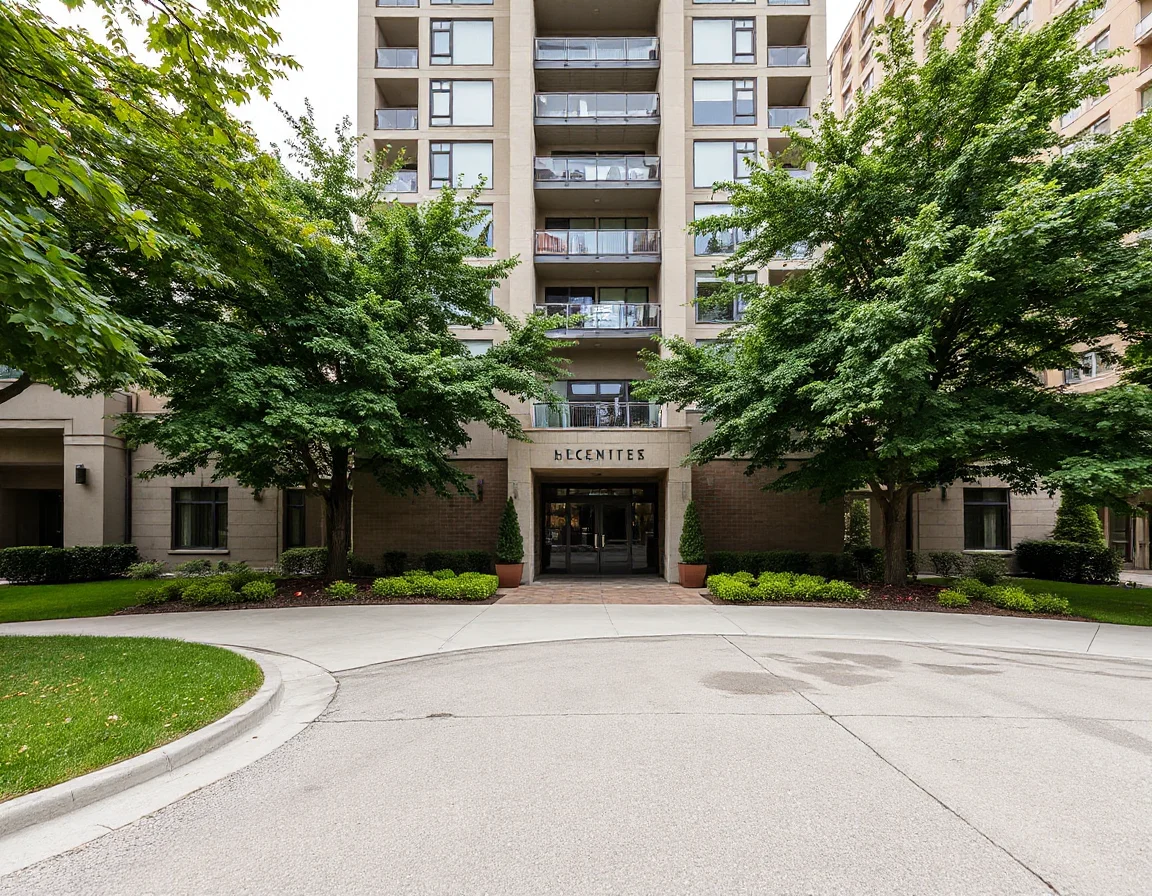
Begin with the basics: the offer price, down payment, loan program, interest rate, estimated closing costs, and property taxes. Then add the recurring expenses that vary from building to building. Condo assessments can include some combination of heat, water, gas, internet, television service, common-area maintenance, door staff, fitness facilities, package handling, landscaping, snow removal, insurance for common elements, and reserve contributions. The exact inclusions matter as much as the assessment total.
For example, a residence with a higher monthly assessment may include utilities or services that would otherwise be paid separately. Another unit may have a lower assessment but require separate bills for heat, parking, internet, or other essentials. Comparing the monthly total side by side creates a clearer picture of affordability and prevents a low headline price from masking higher carrying costs.
Property taxes deserve the same attention. Review the most recent tax bill, ask whether an exemption is currently applied, and understand that reassessments and tax changes can affect future payments. If a seller’s situation differs from yours, the tax amount shown on a listing may not perfectly match the amount you will pay after purchase. A lender, attorney, and real estate professional can help turn those details into a practical monthly estimate.
When comparing two condos, calculate a single monthly ownership estimate for each: principal and interest, taxes, insurance, assessment, parking, and separately billed utilities. That one number is often more useful than the asking price alone.
Read the Building’s Financial Story
A condominium purchase includes an interest in the building as well as the unit itself. Before submitting or finalizing an offer, request the available association documents and read them with care. The most useful materials often include the current budget, recent financial statements, reserve information, board meeting minutes, declaration and bylaws, insurance summary, rental policy, and details on any pending or recent special assessments.
Building reserves are funds set aside for larger capital needs and unexpected repairs. A healthy reserve balance does not guarantee that no future expense will arise, but it can provide useful context about planning. Conversely, a low reserve balance is not automatically a reason to walk away; it is a reason to ask better questions. What projects have been completed? What work is anticipated? How has the association historically funded major repairs?
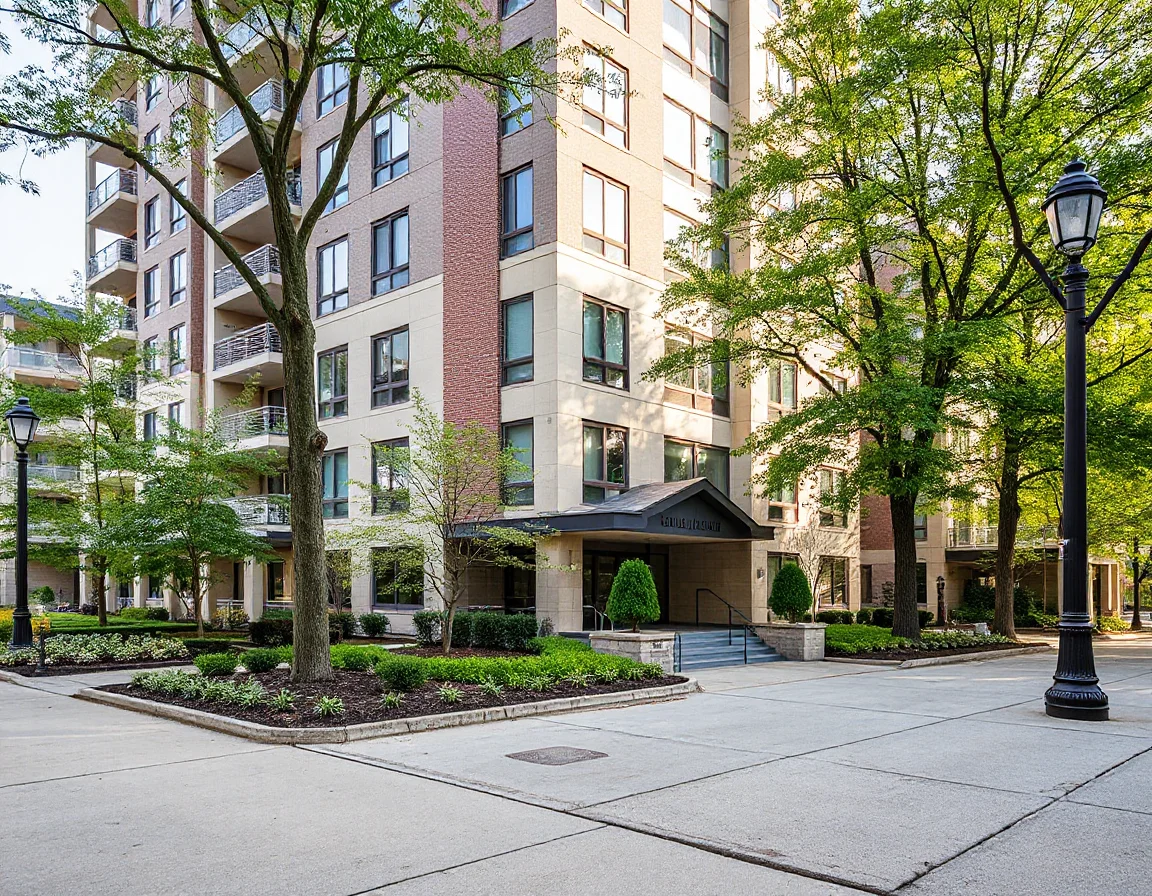
Minutes from board meetings can be especially revealing because they may discuss elevator modernization, façade work, roof repairs, plumbing risers, garage maintenance, staffing changes, insurance costs, or other projects that do not fit neatly into a listing description. In Chicago, high-rise buildings can have complex systems, and the condition of those systems matters. The goal is not to predict every future expense; it is to understand what is known, what is planned, and what questions remain unanswered.
Special assessments should be evaluated in context. Find out whether an assessment is paid in a lump sum or installments, whether it is fully funded, and whether other capital work is expected. Also ask if an assessment is transferable at closing or paid by the seller. These terms can influence offer strategy and should be reviewed early enough to avoid surprises during attorney review or financing.
Insurance is another important line item. Associations typically insure common elements and the structure according to their policy, while individual owners generally need an HO-6 condo policy for personal property, interior coverage, liability, and other protections. Coverage requirements may differ by building and lender, so obtain the association insurance information and speak with an insurance professional before closing.
Board minutes are often the fastest route to the questions behind the numbers: planned repairs, reserve discussions, insurance changes, and the timing of decisions that could affect future costs.
Plan your Chicago condo purchase
Compare the Unit, the Amenities, and the Rules
Once the monthly budget and building financials are in view, compare how each property supports your actual use of the space. Square footage is important, but so are layout, storage, exposure, noise considerations, elevator access, parking availability, outdoor space, and the condition of windows, mechanical systems, and appliances. A well-designed smaller home may feel more functional than a larger floor plan with unused areas.
Near North Side buildings can offer widely different amenity packages. Some provide door staff, on-site management, fitness rooms, rooftop spaces, indoor pools, package rooms, dry cleaning access, bike storage, or resident lounges. Others are smaller associations with fewer shared facilities and a more limited operating budget. Amenities can add convenience, but they also require maintenance and staffing, which may be reflected in the assessment. Consider which features you will genuinely use rather than treating every amenity as equal value.
Building rules deserve an equally close look. Review policies for rentals, pets, renovations, move-ins, move-outs, parking, storage, and use of common areas. Rental restrictions can be particularly relevant for buyers who may someday need flexibility, while renovation rules can affect the timeline and cost of updating a unit. Clear rules are not inherently restrictive; they establish how a shared building operates. The key is knowing them before making a commitment.
- Monthly assessment: What is included, and how has the amount changed over time?
- Taxes: What is the current bill, and what exemptions or reassessment factors may apply?
- Reserves and projects: What capital work is planned, completed, or under discussion?
- Unit condition: Which upgrades are cosmetic, and which systems may need attention?
- Rules: How do rental, pet, renovation, and move procedures align with your plans?
- Parking and storage: Are they deeded, leased, separately taxed, or subject to availability?
Build an Offer With Useful Comparisons
Before choosing an offer amount, create a simple comparison sheet for each finalist. Include list price, estimated purchase price, assessment, taxes, parking cost, estimated utilities, reserve information, known assessments, unit updates, days on market, and any seller-provided credits or inclusions. This process turns a collection of listing details into a decision-making tool.
It is also helpful to separate one-time costs from recurring costs. A renovation, moving expense, or special assessment may be temporary but meaningful. Assessments, taxes, insurance, and loan payments are ongoing. Looking at both categories helps you understand not only what it takes to close, but what it takes to comfortably own the property over time.
Offer terms can matter alongside price. Depending on the property and market conditions, buyers may consider inspection provisions, attorney review, financing contingencies, closing timing, personal property, or treatment of a known assessment. The right approach varies by transaction, but preparation gives you more confidence when it is time to act. A careful document review and a clear budget can make the offer process feel far less uncertain.
Search Near North Side condo listings
A Clearer Way to Choose
The best Near North Side condo comparison is not necessarily the one with the lowest price, lowest assessment, or longest amenity list. It is the one that brings the building, the unit, the location, and the full cost of ownership into balance with your goals. By reviewing documents early, asking direct questions, and comparing complete monthly costs, you can make an offer with a stronger understanding of what comes with the keys.