

A thorough home inspection can turn an appealing Lincoln Park property into a better-informed purchase decision. Ask focused questions early—especially about masonry, roofs, plumbing, shared building systems, and past repairs—so the inspection report becomes a practical roadmap rather than a last-minute surprise.
Start With the Building’s Age, Construction, and Repair History
Lincoln Park offers a wide range of housing styles, from historic greystones and brick two-flats to newer condominiums, townhomes, and high-rise residences. That variety is part of the area’s appeal, but it also means no two inspections look alike. A well-maintained vintage building may have a very different set of questions than a recently renovated condo, even when both appear move-in ready during a showing.
Begin by asking the inspector what they can tell you about the home’s original construction and the visible signs of later work. Useful questions include: Which systems appear original, which have been updated, and are the updates consistent throughout the property? A renovated kitchen or bath can be a meaningful improvement, but it does not automatically reveal the age or condition of wiring, supply lines, drainage, insulation, or structural components behind the walls.
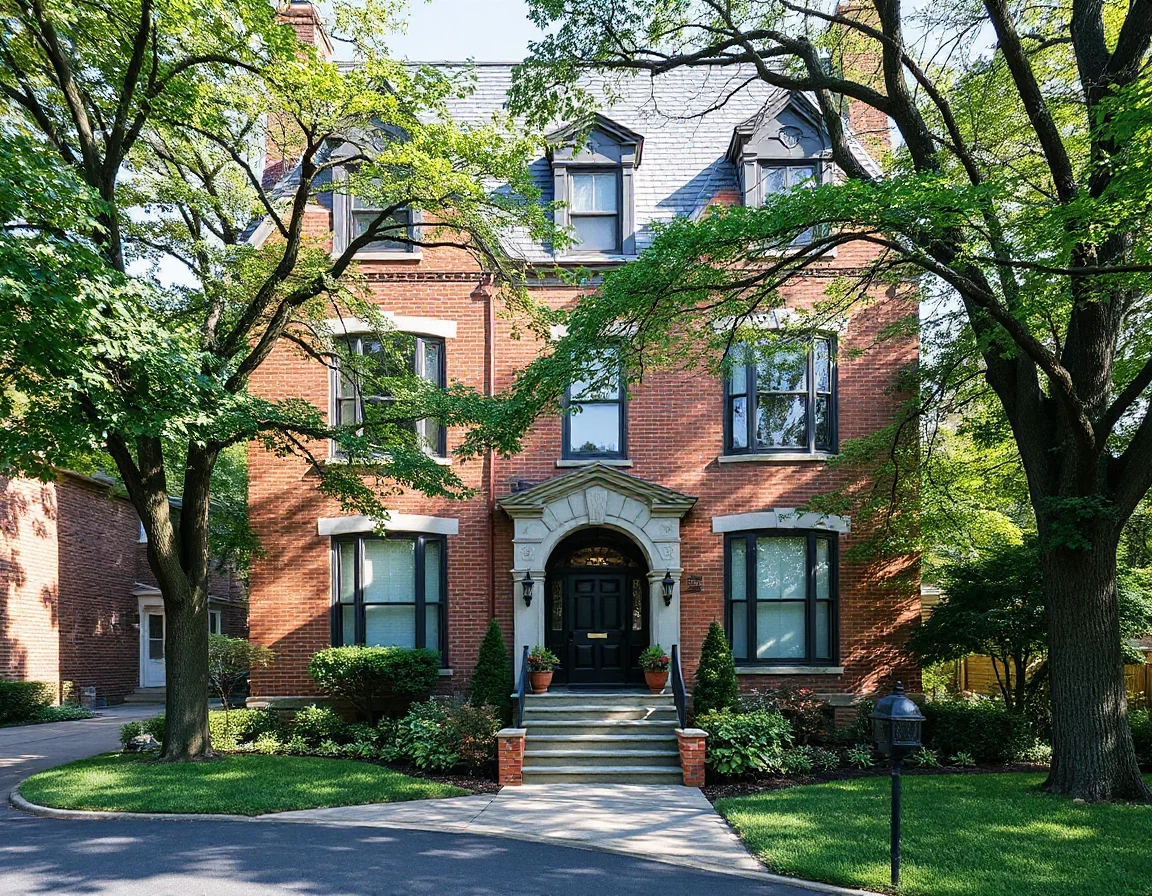
For attached homes and older brick structures, ask about the exterior envelope. Is the mortar in good condition? Are there cracks that deserve monitoring or review by a qualified specialist? Are window lintels, parapet walls, flashing, and visible brickwork directing water away from the building? Chicago’s seasonal temperature shifts can make careful maintenance of masonry and exterior drainage especially important over time.
The most useful inspection question is often not “Is this a problem?” but “What should be addressed now, what should be monitored, and what belongs in a future maintenance budget?”
It is also worth asking whether permits or contractor documentation should be requested for visible renovations. Your inspector generally cannot verify every concealed detail, but observations about electrical panels, plumbing layouts, ventilation, and structural alterations can help you decide which records to review and where a specialist opinion may add value.
Ask Direct Questions About Water, Roofs, and Basements
Water management is one of the most important themes in any property inspection. Whether you are considering a single-family home, a duplex-down, or a condominium with lower-level storage, ask the inspector to explain how water moves around and away from the building. Downspouts, grading, exterior drains, window wells, sump systems, and foundation conditions all contribute to the larger picture.
For homes with basements or garden-level space, ask: Are there signs of past moisture intrusion, active dampness, efflorescence, staining, or repairs that should be evaluated further? A dry day does not always tell the whole story, so it helps to understand what the inspector sees in the materials, drainage setup, and mechanical systems. Request information about the age and condition of sump pumps, backup systems, and any visible sewer or drain connections.
Roof questions deserve equal attention. Ask whether the inspector can identify the approximate age and visible condition of the roof covering, flashing, gutters, parapets, skylights, and roof penetrations. In a condominium, determine whether the roof is maintained by the association and ask for available records of recent repairs, replacement dates, warranties, and planned projects. For a detached home or townhome, clarify which roof areas are under the owner’s responsibility.
Drainage and roof observations should be placed in context. A recommendation to seal, clean, repair, or monitor a component may be routine maintenance; evidence of widespread deterioration or recurring water entry may call for a roofing contractor, masonry professional, plumber, or structural engineer. Ask the inspector to distinguish between these levels of concern in clear, practical language.
Explore buying a condo in Lincoln Park
Look Beyond the Unit When Buying a Condominium
For condominium buyers, the inspection should focus on the unit while also prompting smart questions about shared systems. The inspector may be able to observe portions of common mechanical areas, hallways, balconies, roofs, or building exteriors only when access is available. Even when those areas are outside the inspection scope, their visible condition can help guide your review of association documents.
Ask what appears to be individually maintained versus association maintained. Heating and cooling equipment, hot-water systems, windows, balconies, plumbing risers, electrical service, and roof components can have different ownership responsibilities depending on the building’s declaration and rules. This is a valuable time to compare the inspection findings with meeting minutes, reserve information, budget documents, insurance details, and disclosed capital projects.
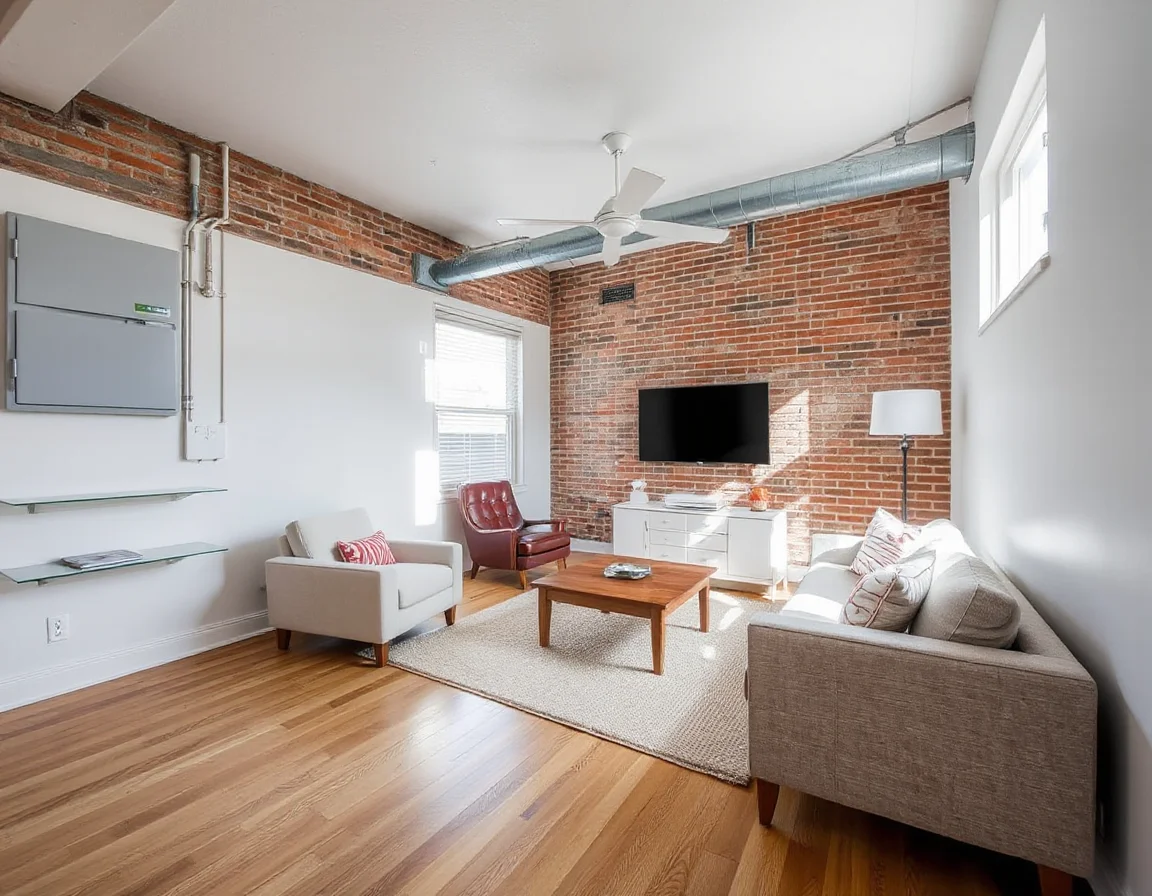
A buyer should also ask about noise, ventilation, and utility access in an objective way. For example, where are the shutoffs? Can appliances be serviced easily? Is bathroom exhaust vented appropriately? Does the electrical panel have clear labeling and suitable capacity for the unit’s visible equipment? These details affect both daily ownership and the ease of future maintenance.
Do not overlook balconies, decks, porches, and rear stairs. Ask the inspector to identify visible concerns with railings, ledger connections, drainage, surface wear, and attachment points. Outdoor spaces can be enjoyable extensions of a residence, but they also need periodic evaluation, particularly when exposed to changing weather.
Use the Inspection Period to Build a Realistic Ownership Plan
An inspection report is not a pass-or-fail grade. Nearly every property, including a well-cared-for one, will have recommendations. The goal is to understand the difference between a safety issue, a major repair, a specialized evaluation, and ordinary upkeep. Before your inspection contingency deadline, review the report carefully and ask the inspector to prioritize the findings rather than simply restate them.
Useful follow-up questions include: What could affect the building’s performance or longevity? What repairs should be handled by a licensed professional? Which components should be budgeted for over the next few years? Are there signs that a sewer scope, chimney review, electrical evaluation, pest inspection, or HVAC service call would provide more information? When specialists are recommended, schedule them promptly so decisions are based on timely details.
Keep copies of the report, repair invoices, warranties, manuals, and association materials after closing. Those documents can become a useful maintenance record and make future planning more straightforward. They can also help a contractor understand previous work without relying on guesswork.
Contact Daniel Ledo to discuss your Lincoln Park home search
A Better Question List Creates a Better Buying Conversation
In Lincoln Park, an inspection is most valuable when it is paired with thoughtful questions and realistic expectations about the property’s age, design, and maintenance history. Bring your concerns to the inspection, take notes, and ask for explanations in plain language. A careful review of the home, its systems, and—where applicable—the association’s responsibilities can help you move forward with a clearer understanding of the opportunity and the work that may come next.