

Buying a first home in Old Town is less about rushing toward a listing and more about making a sequence of clear, well-supported decisions. From setting a realistic monthly budget to reviewing a condominium association’s records, a thoughtful plan can help you evaluate homes with confidence and move forward when the right opportunity appears.
Start With the Numbers Behind the Front Door
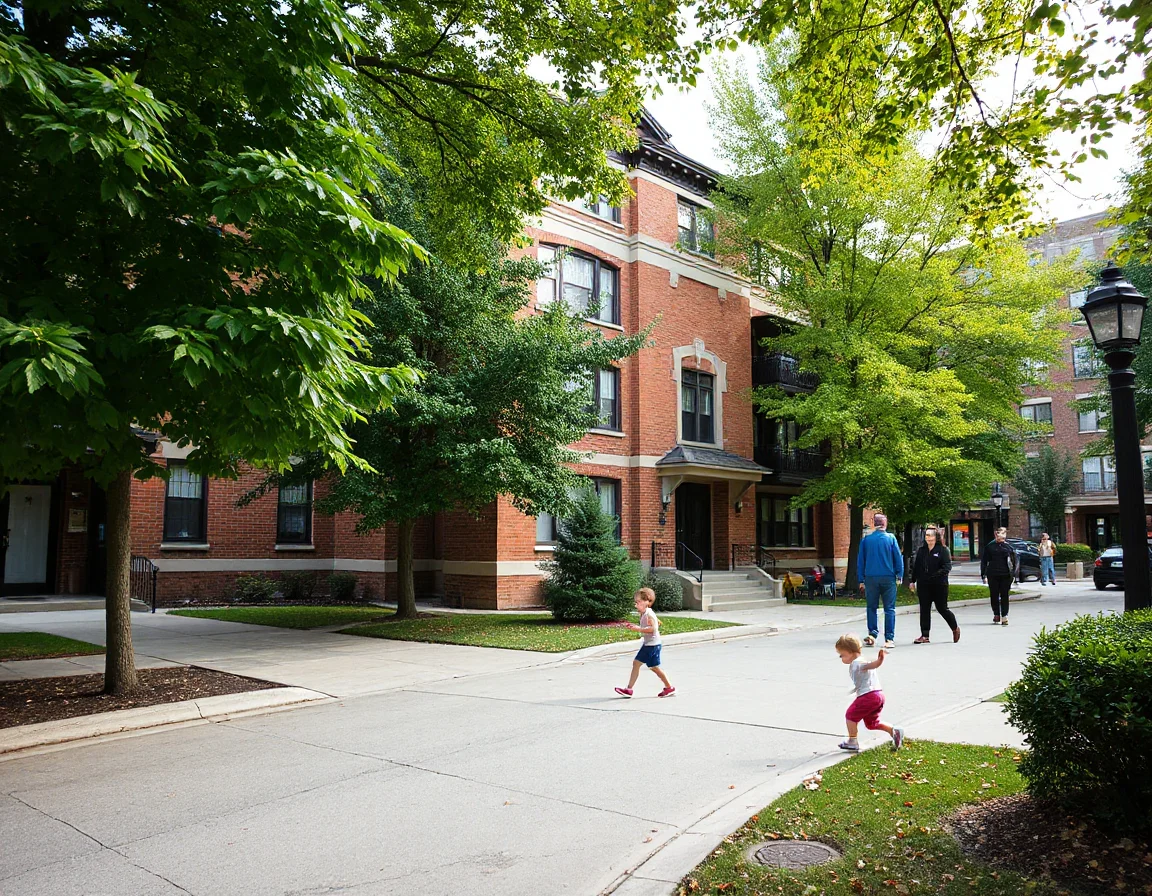
Old Town offers a distinctive mix of classic courtyard buildings, vintage walk-ups, townhomes, and newer condominium residences near Lincoln Park, the lakefront, and the Near North Side. That variety is exciting, but it also means two homes with similar list prices can carry very different monthly costs. Before touring properties, build a purchase budget that includes more than a target price: estimate the down payment, lender costs, property taxes, homeowner’s insurance, and, where applicable, monthly association assessments.
A pre-approval is a useful first checkpoint because it connects your search to current lending standards rather than an online estimate. Ask a lender to explain how the interest rate, loan type, mortgage insurance, and rate-lock timing could affect the monthly payment. Comparing a few loan scenarios can be especially helpful in a neighborhood where a lower purchase price may be paired with a higher assessment, or where a larger down payment may change the financing picture.
Keep a separate reserve for the practical costs that happen after closing. Moving, modest repairs, window coverings, utility setup, and furnishings can arrive quickly. A reserve does not need to be a perfect number; it is simply a way to make room for the reality of ownership without letting the excitement of an accepted offer erase the next few months of planning.
For a condo purchase, compare the full monthly housing payment—not just the list price. Assessments, taxes, insurance, and loan terms can make two similarly priced homes feel very different month to month.
It also helps to decide which tradeoffs are truly important before the search begins. Maybe that means prioritizing a particular layout, outdoor space, elevator access, parking, updated mechanical systems, or proximity to transit and lakefront paths. A short, ranked list turns property tours into a focused comparison rather than a series of impressions that are hard to sort out later.
Learn How Each Old Town Home Functions
In a condominium market, you are evaluating both an individual residence and the building that supports it. A bright kitchen, appealing floor plan, or beautifully restored detail matters, but so do the association’s financial condition, reserves, insurance coverage, rules, and planned capital projects. Request the available association documents early enough to read them carefully, ideally before you are beyond the point of negotiating important terms.
Review meeting minutes, the annual budget, reserve information, declaration and bylaws, and any notices about upcoming work. These materials can reveal whether the association is planning projects such as roof replacement, masonry work, elevator maintenance, plumbing updates, or improvements to shared spaces. They can also help you understand rental policies, pet rules, move procedures, and other day-to-day requirements that shape ownership.
Older buildings can offer craftsmanship and character that are hard to reproduce, while newer residences may offer different systems, finishes, and service arrangements. Neither is automatically the better choice. The goal is to understand the condition and responsibilities connected to the specific home you are considering. During a showing, look beyond surface updates: note window condition, storage, electrical panels, visible water staining, heating and cooling equipment, and the overall maintenance of common areas.
Search Old Town Chicago listings
A professional inspection remains valuable even when a residence appears move-in ready. Your inspector can help identify visible concerns within the unit and flag questions for the association or seller. In a multi-unit building, an inspection does not replace document review, but together they create a much more complete picture of the home and its ongoing maintenance needs.
Tour With a Consistent Comparison Method
Once listings start to appear, use the same note-taking framework for every property. Record the asking price, estimated total monthly payment, square footage, storage, parking arrangement, assessment, tax information, building amenities, and condition of major systems. Add a few observations about natural light, street activity, nearby transit options, and how the rooms function. The most useful notes are specific enough to review after several showings, when details naturally begin to blur.

Take time to visit the immediate blocks at more than one hour if your schedule allows. Morning, afternoon, and evening can reveal different patterns in traffic, transit, deliveries, light, and activity. This is not about assigning a label to an area; it is about gathering firsthand information that helps you understand how a particular location fits your own daily routines.
Old Town’s setting gives buyers access to neighborhood streets, cultural destinations, green space, transit connections, and a broad range of dining and services across the surrounding Near North Side. Proximity can be a meaningful feature, but confirm it yourself. Walk the route to a train station, check the distance to a grocery option, or use a map to estimate the trip to work, appointments, or favorite recreation areas. Objective research makes the final decision easier to explain and more comfortable to own.
Try not to let a staged room or an exceptional view override the basics. A home should work on an ordinary weekday as well as on the day of the showing. Ask where coats, groceries, bicycles, seasonal items, and work materials would go. Consider where you would set up a desk, eat a casual meal, or host a small gathering. These questions bring a floor plan from abstract square footage into practical daily use.
A second visit can be one of the most valuable steps in a first purchase. Rechecking the route, the building entry, the light, and the layout often confirms whether initial enthusiasm is supported by the details.
Make an Offer With a Plan for Due Diligence
When you find a home that fits your priorities, the offer is not simply a price. It is a negotiated package that can include financing, attorney review, inspection, association-document review, closing date, earnest money, and any requested inclusions. Your real estate professional and attorney can help you understand the local process, prepare a competitive strategy based on the property and market conditions, and keep important deadlines visible.
It is wise to remain methodical after an offer is accepted. Schedule inspections promptly, provide documents to your lender as requested, review the attorney’s feedback, and maintain your financial profile until closing. Avoid opening new credit accounts, making large unexplained transfers, or changing employment arrangements without speaking with your lender first. Small changes can create additional underwriting questions at a point when everyone is working toward a smooth close.
Near the finish line, review the closing disclosure, confirm the funds required to close, arrange insurance, and complete a final walk-through. The walk-through is a chance to verify the property’s condition, confirm that agreed items remain, and identify any new concerns before documents are signed. Bring your notes and keep the visit practical: check appliances, fixtures, doors, windows, and any repair items that were part of the agreement.
Explore Chicago buyer representation
Confidence Comes From a Repeatable Process
First-time buyers do not need to know every answer on day one. They need a process that makes good questions easier to ask: understand the full payment, compare homes consistently, study the building as carefully as the unit, and protect time for inspections and document review. Old Town can reward that preparation with a wide range of housing choices and a location connected to many parts of Chicago.
Approach each step with curiosity rather than pressure. The right home is not necessarily the one with the loudest first impression; it is the one that aligns with your budget, priorities, and comfort with the responsibilities of ownership. With clear financing, careful due diligence, and a team that communicates well, you can navigate the search and closing process with a far steadier sense of direction.