
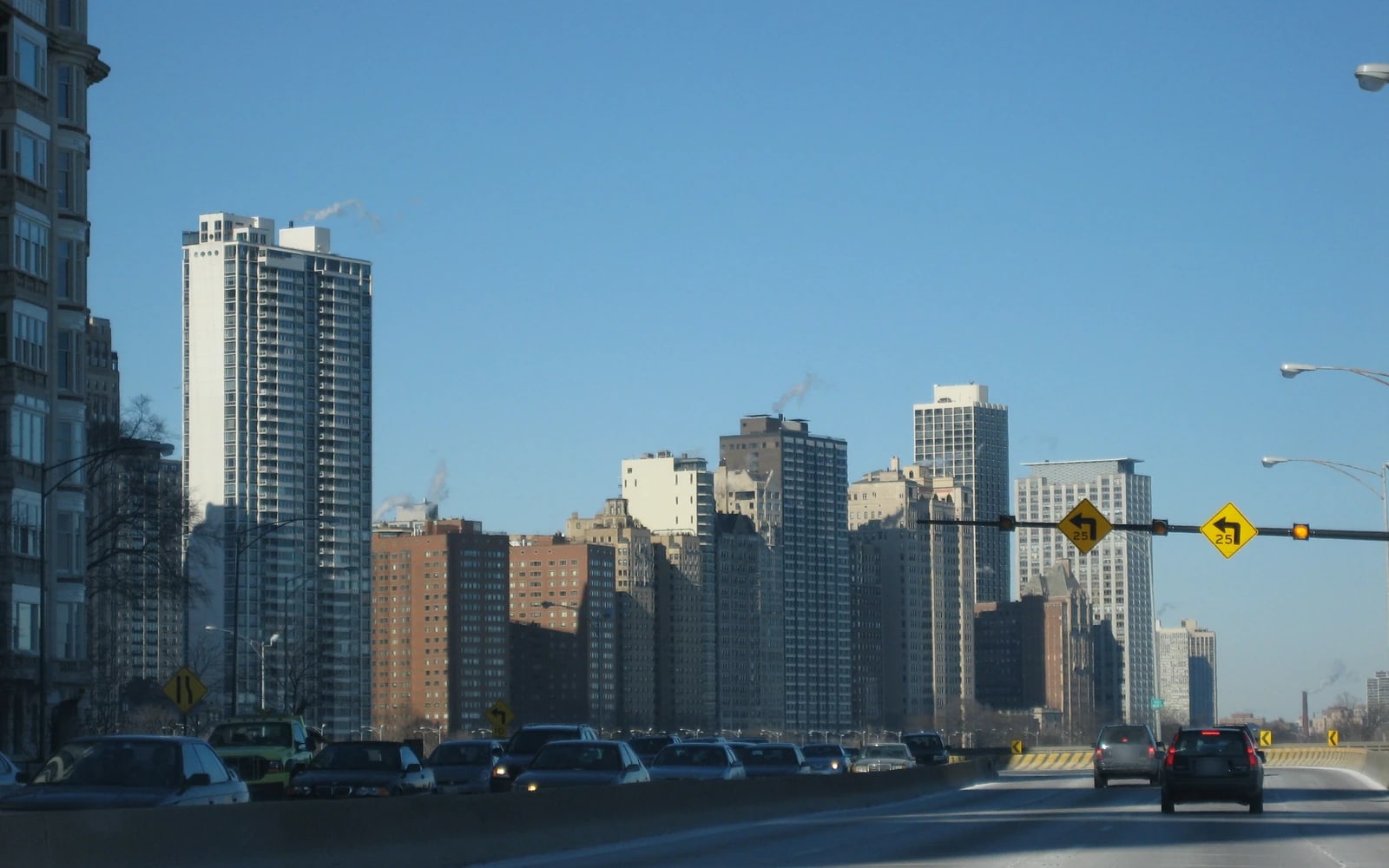

If you're browsing Gold Coast Chicago condos for sale, you already know the views and the finishes are the easy part. The harder part is the building behind them. My office is at 1207 N Dearborn St, right here in the Gold Coast, and the questions in this post are the ones I work through with buyers before they write an offer: reserves, special assessments, financing rules for condos and co-ops, and what to ask on a tour. For listings and a quick overview of my buyer process, start with my page on Gold Coast condos for sale.
In this guide:
- Start with the building, not just the unit
- Reserves: read the budget before you fall for the view
- Gold Coast condo special assessments
- Lendability: FHA, conventional and co-op financing
- Questions to ask on a Gold Coast condo tour
- Next steps for buyers and owners
- FAQ
Start With the Building, Not Just the Unit
Buying a condo here means buying into a building. The unit is yours. The roof, the facade, the elevators and the budget are shared.
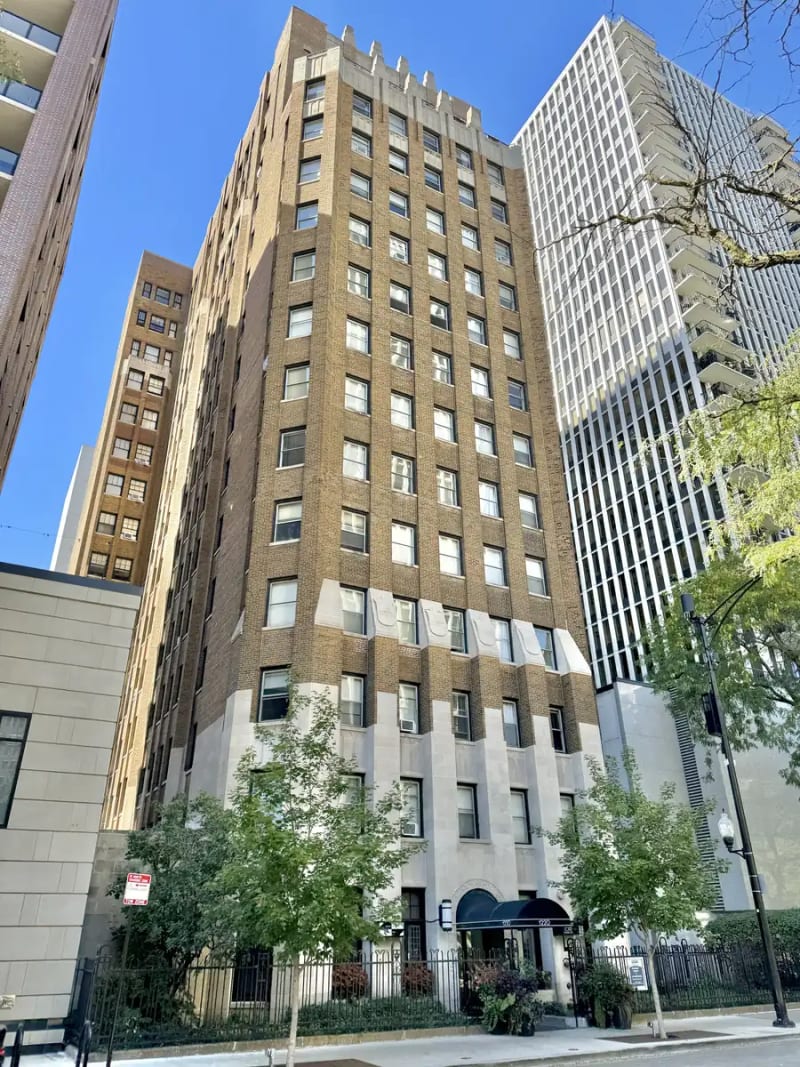
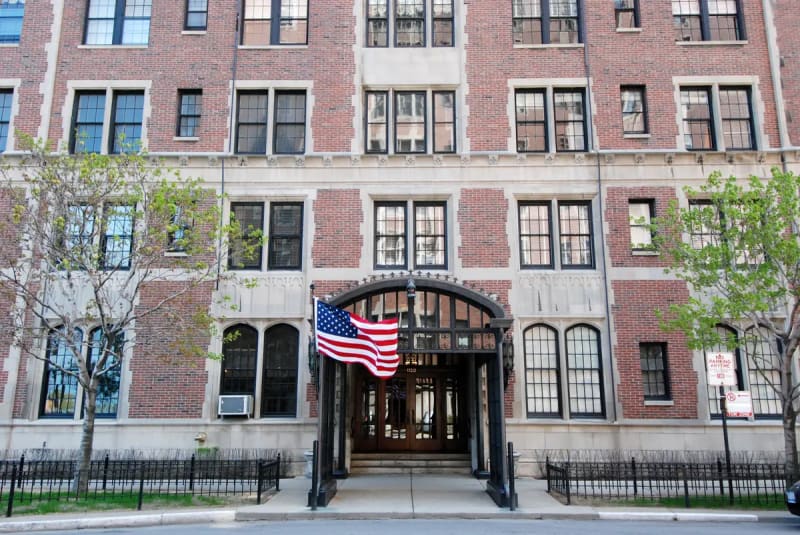
The Gold Coast has a wide mix of buildings packed into a small area. You'll see vintage high-rises from the 1920s, cooperative buildings, full-service towers along Lake Shore Drive and smaller walk-up buildings on the side streets. Each type comes with different paperwork, different costs and sometimes different financing.
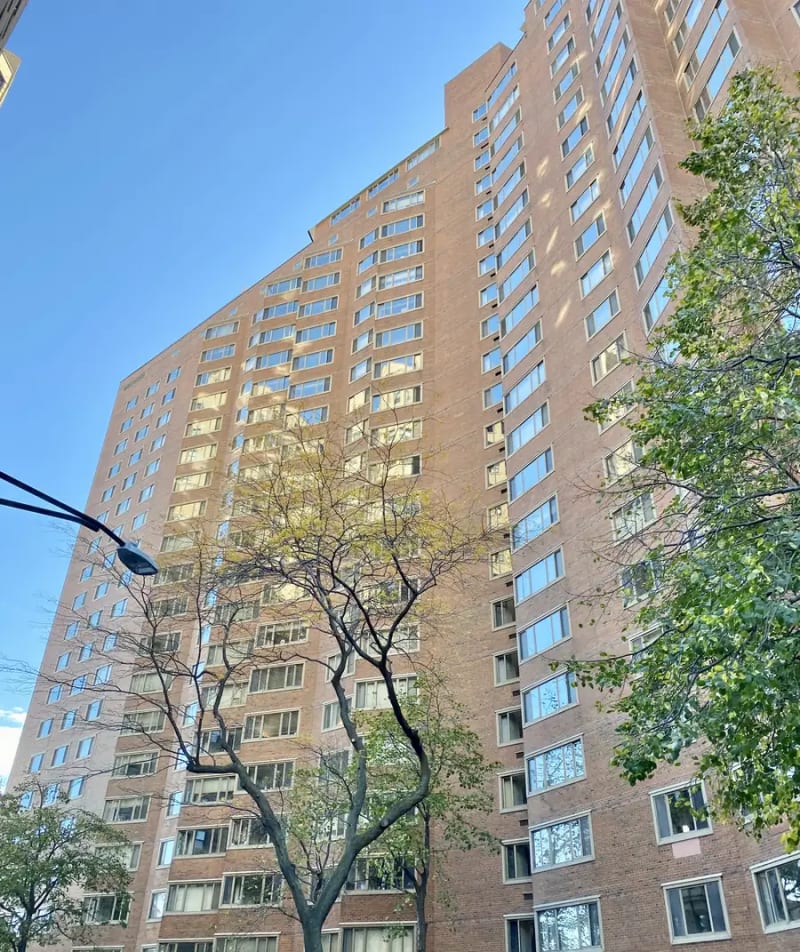
So two units with similar layouts can be very different purchases. One building may have healthy reserves and no big projects ahead. Another may be planning a facade or elevator job. You won't see that in the listing photos. You'll see it in the documents. For more on the neighborhood itself, see my page on Gold Coast, Chicago real estate.
Reserves: Read the Budget Before You Fall for the View
The reserve fund is the building's savings account for big-ticket items: roofs, windows, elevators, boilers, garages and masonry. When I review a Gold Coast building with a buyer, I want to see:
- The current budget. What does the monthly assessment pay for? In a full-service tower, it may cover door staff, heat and amenities. In a small building, much less.
- The reserve study, if there is one. It shows what the building expects to replace and roughly when.
- Recent board minutes. This is where planned projects, insurance changes and repair debates show up first.
- The financial statements. They show whether money is actually being set aside.
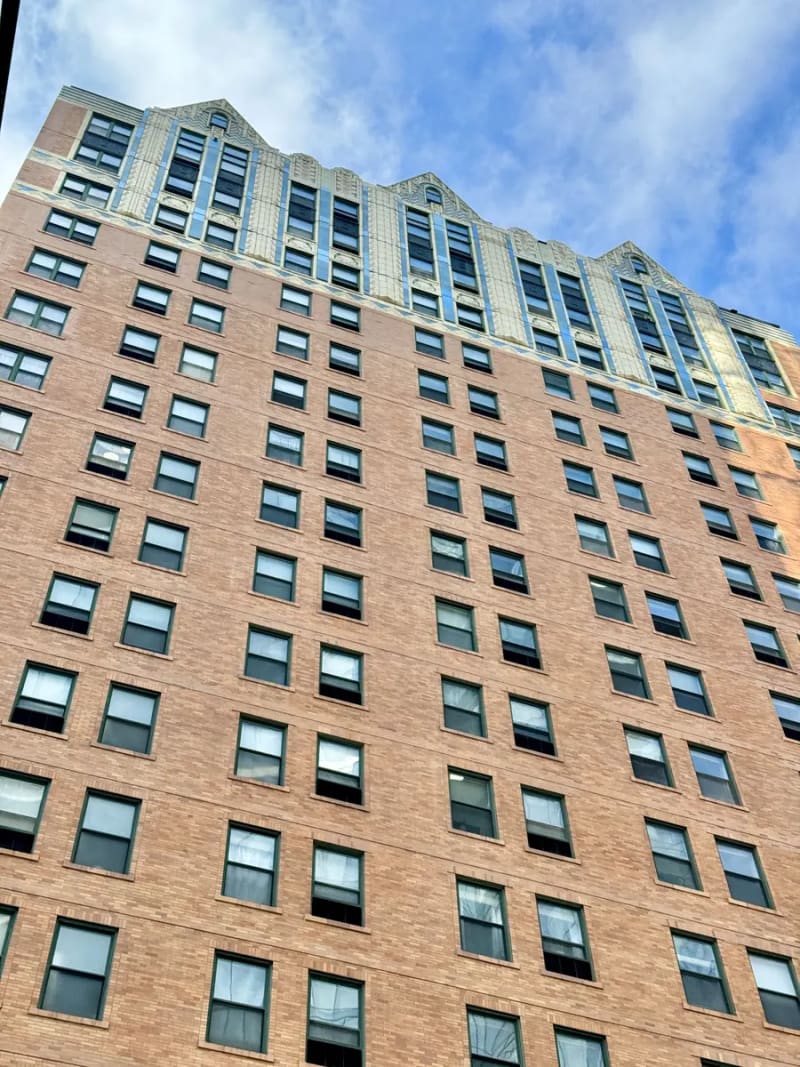
Older brick, stone and terra cotta buildings need ongoing masonry work, and taller buildings have their own rules too. The City of Chicago requires owners of high-rise buildings to file reports on the condition of their exterior walls through its Exterior Wall Program. Ask whether the building's latest inspection called for repairs, and how the board plans to pay for them.
A healthy reserve fund doesn't promise you'll never see a special assessment. A thin one makes one more likely. My post on Gold Coast condo math walks through the monthly costs to plan for.
Gold Coast Condo Special Assessments
A special assessment is a one-time or temporary charge owners pay for a project the regular budget doesn't cover. They can come up in vintage buildings and newer towers alike, so the question isn't only "Is there one?" It's "What is it for, and who pays it?"
Here's what I ask about any special assessment, approved or just under discussion:
- What project is it for, and is the work finished, underway or still being planned?
- How much is left to collect, and on what schedule?
- Is it paid in one lump sum or in installments?
- Who pays at closing, the seller or the buyer? That's often part of the negotiation, so talk it through with your attorney.
- Are other projects on the horizon that could lead to another one?
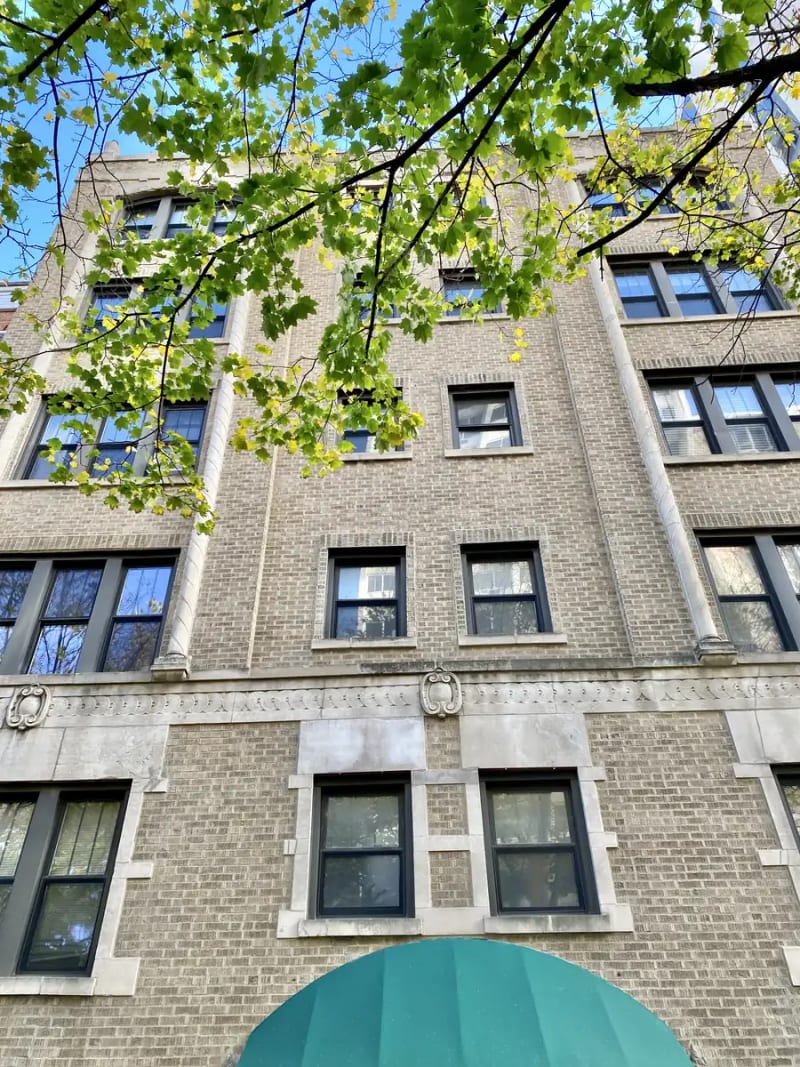
Smaller buildings deserve the same review. With fewer owners, each one carries a bigger share of any repair bill.
In Illinois, Section 22.1 of the Condominium Property Act lists the information a seller must make available to a buyer in a condo resale. It includes items such as the declaration and rules, the status of the reserve fund, capital expenditures the association expects in the current and next two fiscal years, the latest financial statement, any pending lawsuits and the association's insurance coverage. Your attorney requests this 22.1 disclosure package during attorney review, so that's the time to raise questions about it.
Want a second set of eyes on a Gold Coast building? Call or text me at 312-219-5921. I'll tell you what I'd look for before you write an offer.
Lendability: FHA, Conventional and Co-op Financing
If you're financing, your lender reviews the building as well as you. A building that doesn't meet a lender's rules can stall a deal, so I check lendability early. My guide to what makes a Chicago condo lendable goes deeper on the basics.
FHA loans
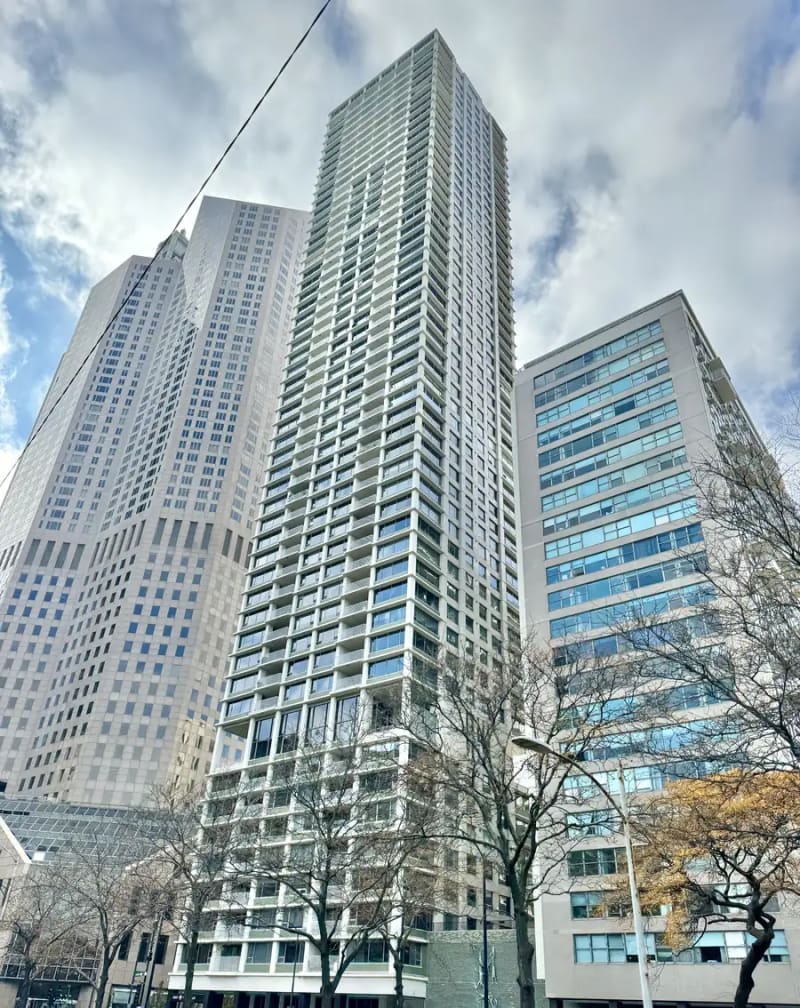
According to HUD, FHA insures condo loans in buildings that are FHA-approved, or in buildings that aren't approved when the unit qualifies for a Single-Unit Approval. For a Single-Unit Approval, the building must be complete, have at least five units and meet part of FHA's project rules, including limits on FHA loan concentration, owner-occupancy requirements and the building's financial condition. You can search HUD's list of FHA-approved condo projects, but approvals expire and change, so confirm the current status with your lender.
Conventional loans
For conventional loans, lenders review the condo project as part of the loan. Fannie Mae's Selling Guide says lenders may look at the budget, financial statements, reserve studies, legal documents and insurance, often gathered with a condo questionnaire filled out by the association or its manager.
Some building traits can make a project ineligible for loans Fannie Mae buys. Its ineligible projects list includes buildings run like hotels, buildings where one owner holds too many units, too much commercial space, certain pending lawsuits and buildings that need critical repairs. Lenders also look at the purpose and status of special assessments. Rules vary by lender and loan program, so bring the building's name to your lender before you write an offer.
Co-ops
A co-op works differently. You buy shares in the corporation that owns the building and get a proprietary lease for your unit. The board usually reviews your application and finances, and fewer lenders offer co-op share loans. Fannie Mae, for example, buys co-op share loans only for a principal residence or second home, not for an investment property. Some co-ops also charge a transfer fee when a unit sells, sometimes called a flip tax. Ask about board rules, down payment requirements and any transfer fees early.
Questions to Ask on a Gold Coast Condo Tour
A showing is your chance to learn how the building really runs. Here's my short list:
- What does the assessment include? Heat, cooling, internet, door staff, a fitness room?
- Who manages the building? An on-site manager, an outside company or a volunteer board?
- What are the leasing rules? Ask about rental caps or waiting periods, even if you plan to live there.
- What are the pet rules? Ask about size or number limits.
- How does parking work? Deeded, leased, rented month to month or not available?
- Is there storage? Is a locker included, or is there a wait list?
- How do move-ins work? Some buildings require elevator reservations, deposits or move-in fees.
- What are the renovation rules? Ask about approvals, work hours and any limits on flooring or plumbing changes.
Compare the answers side by side. Two units that look equal on paper can live very differently.
Next Steps for Buyers and Owners
When you're ready, I'll build your shortlist by building, not just by listing, and work with your lender and attorney on the documents. Here's how my buyer representation works. Comparing the Gold Coast with neighborhoods to the north? My page on buying a condo in Lincoln Park covers that search.
Already own in the Gold Coast? Buyers will ask these same questions about your building, so it pays to have your documents ready. Here's how I help owners sell a home in the Gold Coast.
FAQ
What is a 22.1 disclosure for an Illinois condo?
It's the package of association information a seller must make available to a buyer in a condo resale under Section 22.1 of the Illinois Condominium Property Act. It covers items such as the declaration and rules, reserves, expected capital expenditures, the latest financial statement, pending lawsuits and insurance. Your attorney requests it during attorney review and can explain anything in it.
How do I find out if a Gold Coast condo building is FHA-approved?
You can search HUD's online list of FHA-approved condo projects by building name or address. Approvals expire and change, so your lender should confirm the current status. If a building isn't on the list, the unit may still qualify through FHA's Single-Unit Approval if the building meets HUD's requirements. Ask your lender early.
Can I get a mortgage on a Gold Coast co-op?
Often, yes, but it works differently from a condo loan. In a co-op, you buy shares and get a proprietary lease, so you need a co-op share loan, and fewer lenders offer them. The co-op board usually approves buyers and may set its own down payment rules. Talk to a lender that makes co-op loans before you tour.
Should a special assessment stop me from buying a Gold Coast condo?
Not necessarily. A special assessment can mean the building is taking care of a real need. What matters is the purpose, the amount left to pay, the schedule and who pays at closing. I review those details with you, and your attorney reviews the documents during attorney review, before you decide.
Thinking about buying or selling in the Gold Coast? Call or text Daniel at 312-219-5921 or book a consult. To start your search, see my page on Gold Coast condos for sale.
You can also find me on Google.
Worked with Daniel? A quick Google review helps neighbors find a trusted local agent: leave a Google review.

About Daniel Ledo: Daniel Ledo is a Broker with Ledo Real Estate and RE/MAX Premier, with 10 years serving Chicago clients. His office is at 1207 N Dearborn St in the Gold Coast, and he helps buyers and sellers in the Gold Coast, Lincoln Park, Old Town and across Chicago's North Side, from vintage condos and co-ops to lakefront high-rises, houses and multi-unit buildings, with homes from $500K to $3M. He works in English and Spanish. Call or text 312-219-5921, visit ledorealestate.com, or stop by 1207 N Dearborn St, Chicago, IL 60610.
Equal Housing Opportunity. Brokerage: RE/MAX Premier.
Daniel Ledo Real Estate | RE/MAX Premier · 1207 N Dearborn St, Chicago, IL 60610 · (312) 219-5921