


Gold Coast life puts Lake Michigan paths, leafy pocket parks, landmark architecture, and a wide range of dining within a compact part of Chicago. Whether you are comparing homes or simply getting to know the area, the everyday rhythm here is best understood on foot: a morning by the lake, an afternoon along historic streets, and an evening close to the city’s cultural energy.
A Lakefront Routine with City Energy
The Gold Coast occupies a distinctive position on Chicago’s Near North Side, where established residential blocks meet the shoreline of Lake Michigan. It is a place of elegant older buildings, contemporary condominium towers, landmark streets, and quick access to some of the city’s most recognizable public spaces. Rather than being defined by one attraction, the area is shaped by the ease of moving between green space, lakefront recreation, cultural destinations, and everyday errands.
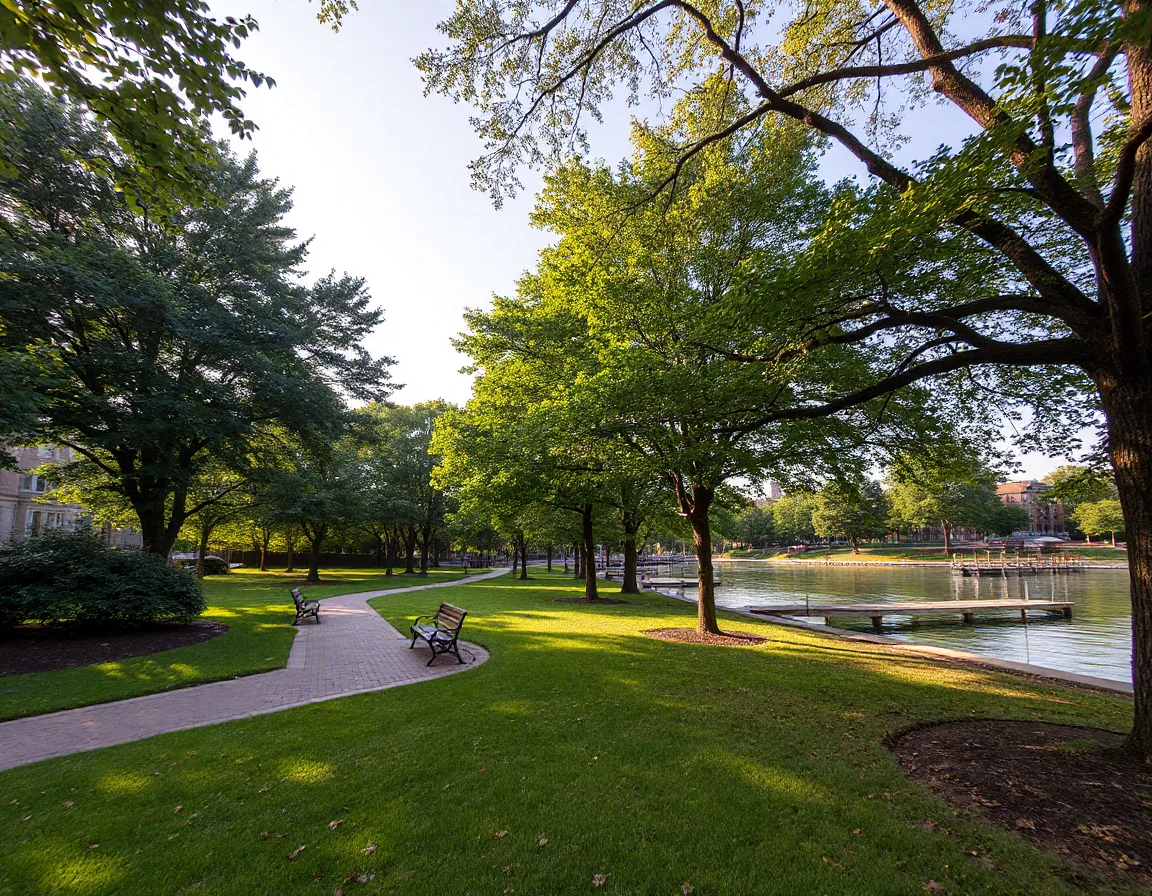
For many residents, the lake is the starting point. The Lakefront Trail provides a continuous route for walking, cycling, and running, with changing views of the water, shoreline greenery, and the city skyline. Access points near North Avenue Beach and Oak Street Beach make it simple to incorporate a waterfront stop into a morning routine or an unhurried weekend outing. The lakefront also offers a welcome sense of openness that contrasts with the dense, walkable street grid only a few blocks west.
Washington Square Park, often called Bughouse Square, brings a smaller-scale counterpoint to the lakefront. Its mature trees, benches, and historic setting offer a quiet place to pause near the Newberry Library and the streets of Old Town. Further north and west, the southern reaches of Lincoln Park add even more public green space, with gardens, paths, sports facilities, and connections to the lake. These amenities are public resources that contribute to the area’s highly walkable daily experience.
From Oak Street Beach to Washington Square Park, several of the Gold Coast’s most familiar outdoor spaces are only a short walk apart, making it easy to combine a lakefront outing with time in a smaller neighborhood park.
Architecture is part of the route, too. Along Astor Street, State Parkway, and nearby blocks, historic greystones, classic apartment buildings, and notable high-rises create a streetscape with considerable visual variety. Home buyers often find that even a short walk can reveal meaningful differences in building style, unit layout, views, parking arrangements, and the level of services offered by individual properties. Looking beyond the listing photos is particularly valuable in an area with such a broad range of housing types.
Parks, Paths, and Time Outdoors
Outdoor access is one of the Gold Coast’s defining practical advantages. The Lakefront Trail connects the neighborhood to a much larger network of parks and shoreline destinations, so a casual walk can become a longer ride south toward Navy Pier and the Museum Campus or north toward Lincoln Park and beyond. Seasonal changes make the route feel different throughout the year, from early spring greenery to crisp fall lake views and winter light along the water.
Oak Street Beach sits immediately east of the neighborhood and is one of the most visible lakefront gathering places nearby. In warmer months, it offers sand, open water views, and pathways linking back to the surrounding streets. The beach is also close to the Museum of Contemporary Art Chicago, the Magnificent Mile, and the public spaces around Michigan Avenue, allowing an outdoor plan to pair naturally with a cultural stop or a meal.

Closer to home, landscaped courtyards, sidewalk planters, and tree-lined residential blocks soften the urban setting. These details can matter when comparing homes, especially for buyers considering natural light, street exposure, nearby traffic patterns, or proximity to open space. In condominium buildings, shared amenities such as roof decks, terraces, fitness rooms, and lounges may complement nearby parks, but the details vary substantially by building and should be reviewed carefully during a showing.
Transportation options add to the flexibility of the location. Multiple bus routes travel through or near the neighborhood, while nearby Red Line stations at Clark/Division and Chicago provide rail connections to other parts of the city. Major routes including Lake Shore Drive are also accessible from the Gold Coast, though travel times can vary with daily conditions and special events. The practical result is that many destinations can be reached without making every outing a car trip.
When evaluating a Gold Coast home, visit at more than one time of day. Lake views, street activity, building entrances, traffic flow, and nearby park use can feel notably different between a weekday morning and a weekend evening.
Dining, Culture, and Everyday Convenience
The neighborhood’s dining landscape ranges from long-established Chicago rooms to casual options and polished gathering places along Rush Street, State Street, Division Street, and nearby Michigan Avenue. The draw is not simply the number of choices; it is the convenience of having coffee, groceries, prepared meals, and sit-down dining integrated into a compact area. Residents can also easily reach the culinary options of Old Town, River North, Streeterville, and Lincoln Park.
Culture is equally close at hand. The Museum of Contemporary Art Chicago is a notable nearby destination, while the lakefront, public art, historic churches, libraries, and architecture tours provide other ways to explore the city’s character. A short trip south brings access to the theater, music, and retail corridors of the Loop, while the Near North Side offers a continuing mix of galleries, institutions, and seasonal events.
For home buyers, daily life in the Gold Coast often comes down to a series of useful questions: Is a particular building close to the lake or closer to transit? Does the home prioritize skyline views, tree-lined streets, or proximity to dining? Are there assessments, doormen, parking arrangements, or rental policies that affect ownership plans? Older co-ops, vintage condominium buildings, newer towers, and townhomes can offer very different experiences even when they are only blocks apart.
Seeing the Gold Coast Beyond the Listing
The most useful way to understand this part of Chicago is to spend time moving through it. Walk the lakefront in the morning, follow the streets west toward Washington Square Park, notice the architecture along Astor Street, and return in the evening to experience the pace around Rush and Division. That firsthand perspective can clarify what matters most in a home search: access to the water, a specific building style, nearby green space, transit connections, or the ability to keep daily destinations close by.
With its blend of shoreline access, historic streets, public parks, cultural institutions, and dense city convenience, the Gold Coast offers a layered version of Chicago living. Every block tells a slightly different story, and every building has its own set of features to consider. Taking the time to explore both the home and the surrounding streets can help turn a promising listing into a confident decision.