
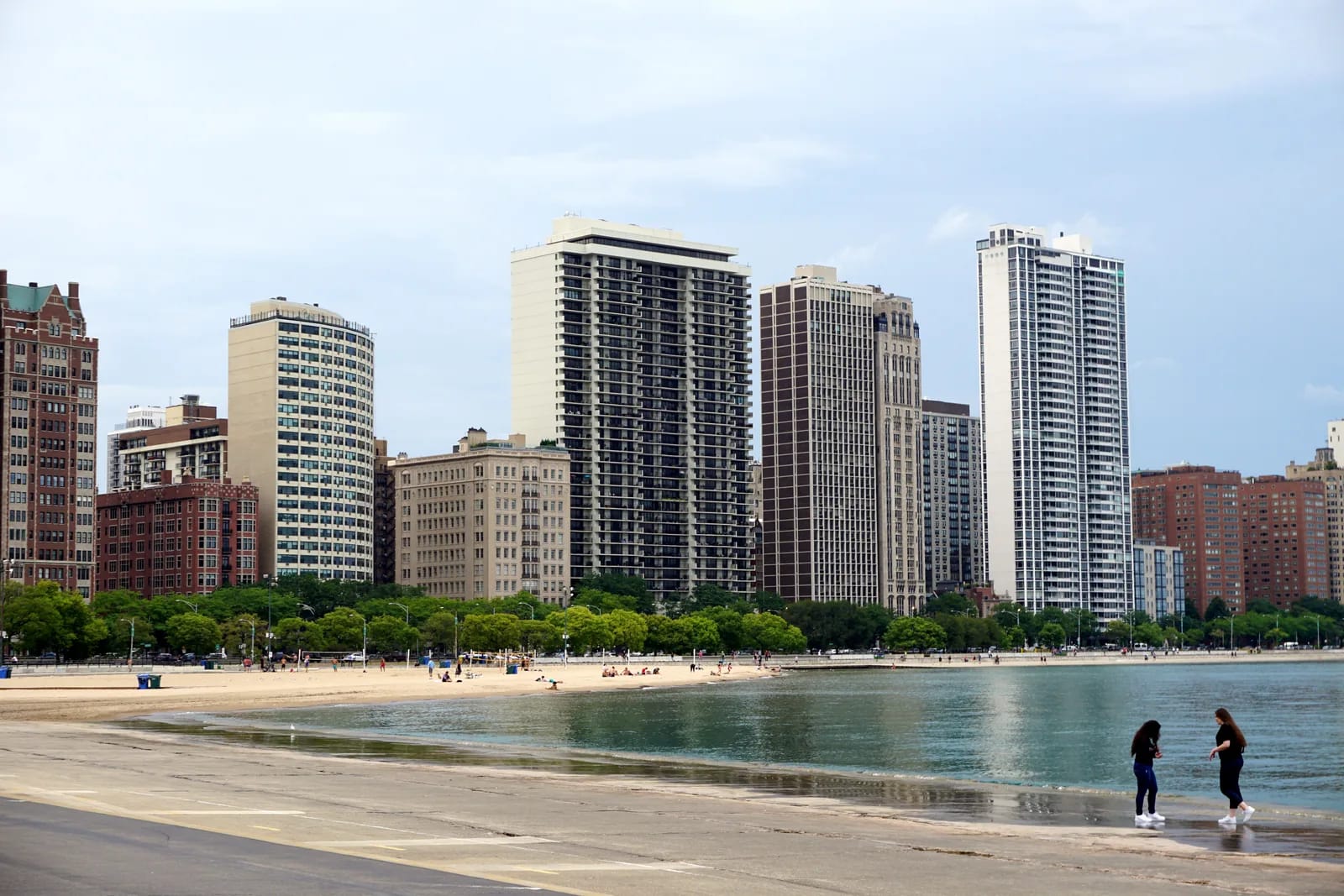
The Gold Coast packs a lot into a small piece of Chicago. Lake Michigan and two beaches sit on one side. Landmark houses, 1920s high-rises and lakefront towers fill the blocks behind them. My office is here, at 1207 N Dearborn St, so these are streets I walk every week. This guide covers where the Gold Coast is, how it was built, the kinds of homes you'll see, and how daily life works here, from the lakefront to the Red Line.
In this guide:
- Where is the Gold Coast in Chicago?
- A short history
- Gold Coast homes and architecture
- Streets, shops and dining
- Getting around
- Parks, beaches and the lakefront
- Seeing the Gold Coast beyond the listing
- Buying or selling in the Gold Coast
- FAQ
Where Is the Gold Coast in Chicago?
The Gold Coast sits on the lakefront at the north end of the Near North Side community area. The Gold Coast Historic District is roughly bounded by North Avenue on the north, Lake Shore Drive on the east, Oak Street on the south and Clark Street on the west.
The Lincoln Park community area starts across North Avenue. Old Town is just to the west. South of Oak Street, the Magnificent Mile and Streeterville take over. Gold Coast addresses use ZIP codes 60610 and 60611.
The main north-south streets are Lake Shore Drive, Astor Street, State Parkway, Dearborn Street, Clark Street and LaSalle Street. The cross streets, from Oak north, include Cedar, Elm, Division, Scott, Goethe, Schiller and Burton. For listings and the buying basics, see my page on Gold Coast, Chicago real estate.
A Short History of the Gold Coast
The Gold Coast grew up after the Great Chicago Fire of 1871.
Lake Shore Drive opened from North Avenue to Oak Street in 1875. In 1882, Potter Palmer began building a castle-like mansion on the Drive, between Banks and Schiller. The Palmer house is gone now, but it set the pattern. Within a few years, large houses were lining both the Drive and Astor Street.
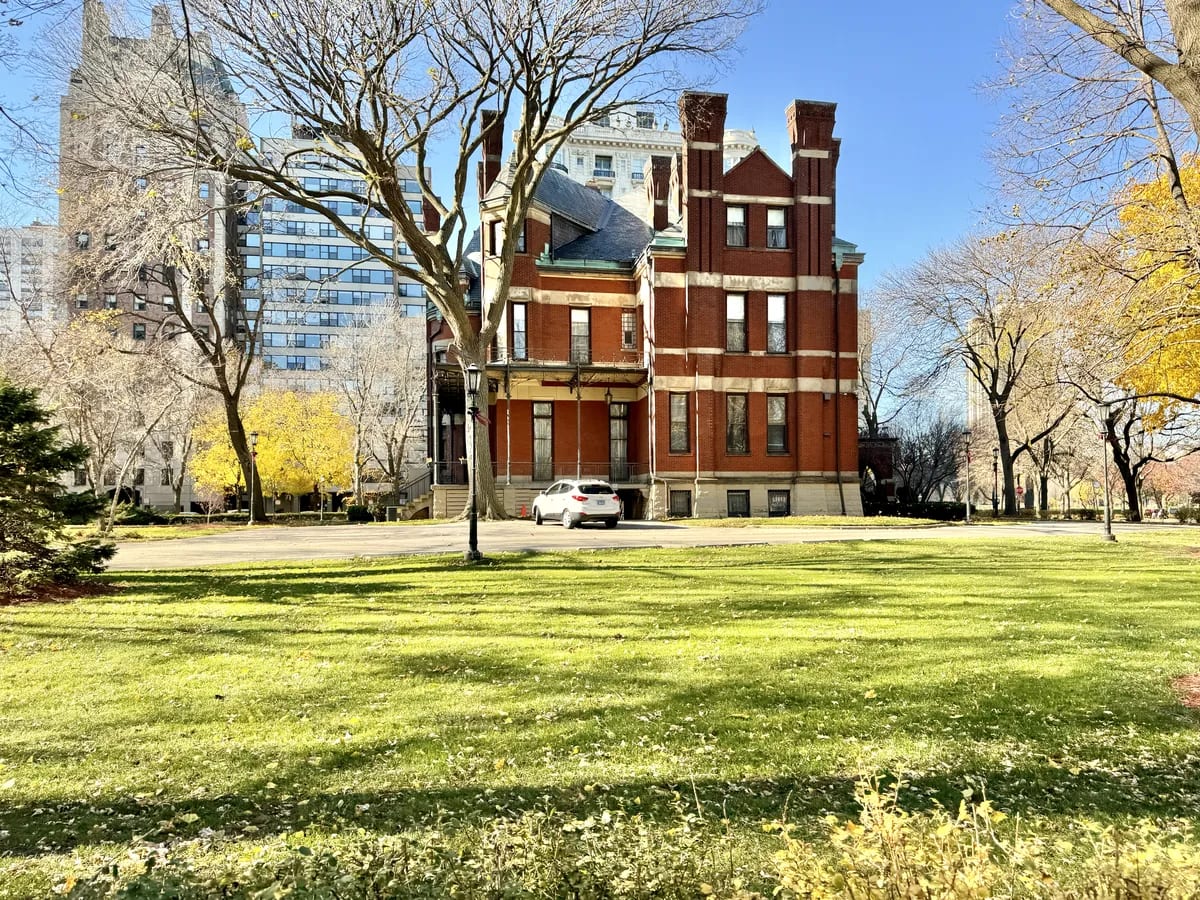
A red brick mansion at North Avenue and State Parkway was built as the residence of Chicago's Catholic archbishop. It still anchors the north end of the neighborhood.
As land got scarce, apartment buildings and then high-rises followed. Vintage towers went up in the 1920s. The City of Chicago notes that most of the high-rises around the Astor Street District went up between 1960 and 1980. The city named the Astor Street District a Chicago Landmark in 1975, and the Gold Coast Historic District was added to the National Register of Historic Places in 1978.
Gold Coast Homes and Architecture
Because the neighborhood was built in layers, one block can hold an 1890s row house, a 1920s high-rise and a 1970s tower.
Astor Street and the Charnley-Persky House
Astor Street is the neighborhood's architectural showpiece. The City of Chicago's Astor Street District covers the 1200 to 1600 blocks of Astor and nearby cross streets, with buildings dating from 1880 to 1940. Its 19th-century houses come in a variety of historical revival styles, set among 20th-century apartment buildings and townhouses.
The best-known house is the Charnley-Persky House at 1365 N Astor St, at the corner of Schiller. Louis Sullivan designed it with a young Frank Lloyd Wright, then a draftsman in Sullivan's office, and it was finished in 1892. It's a National Historic Landmark and a Chicago Landmark. The Society of Architectural Historians owns it and runs tours.
If you buy in a Chicago Landmark district, exterior changes go through city review. I go over that with buyers before they plan a renovation.
Row houses and greystones on State Parkway and Dearborn
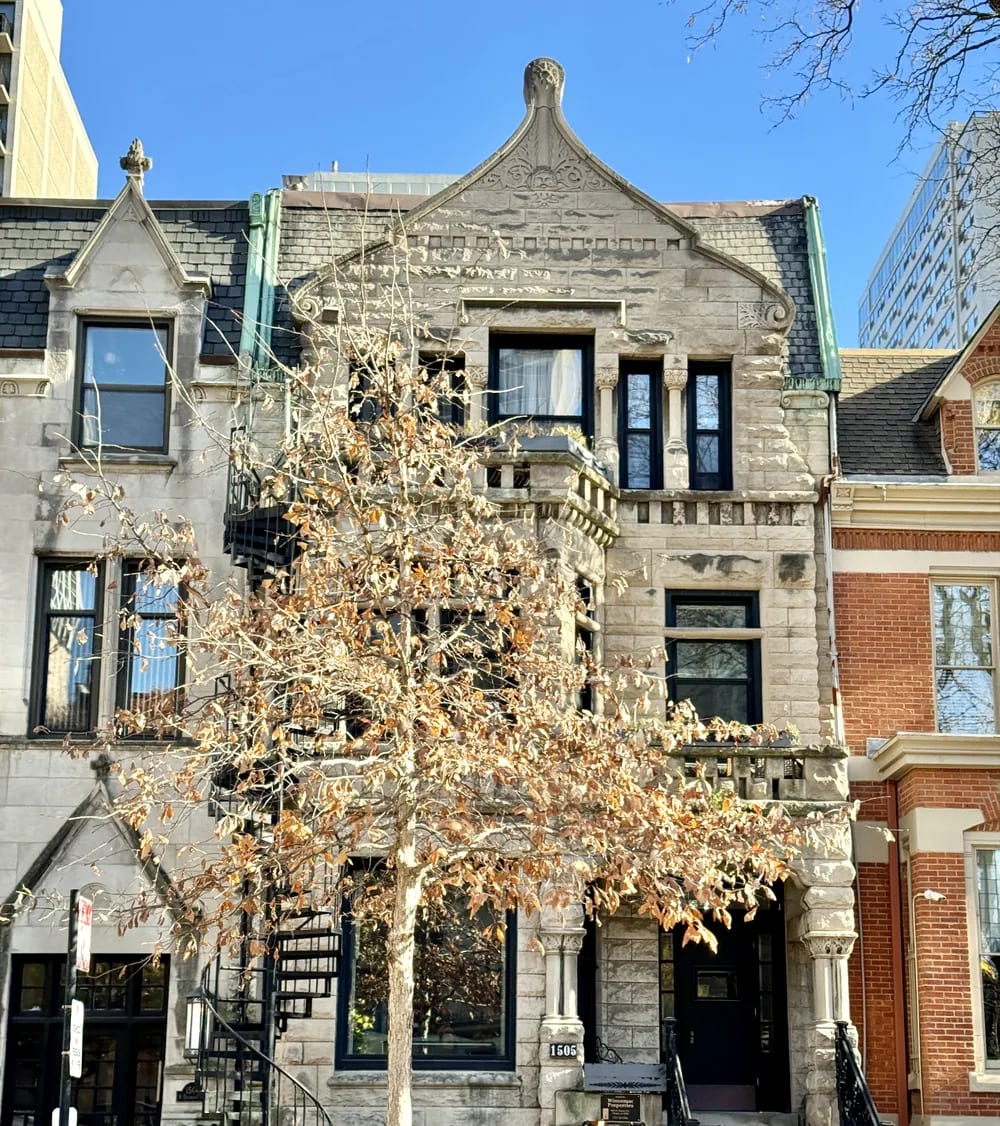
State Parkway and Dearborn Street have their own runs of stone and brick row houses, many from the 1880s and 1890s. Some are still single homes. Others have been divided into condos, which can mean high ceilings, bay windows and original woodwork in a smaller building.
Vintage high-rises and co-ops
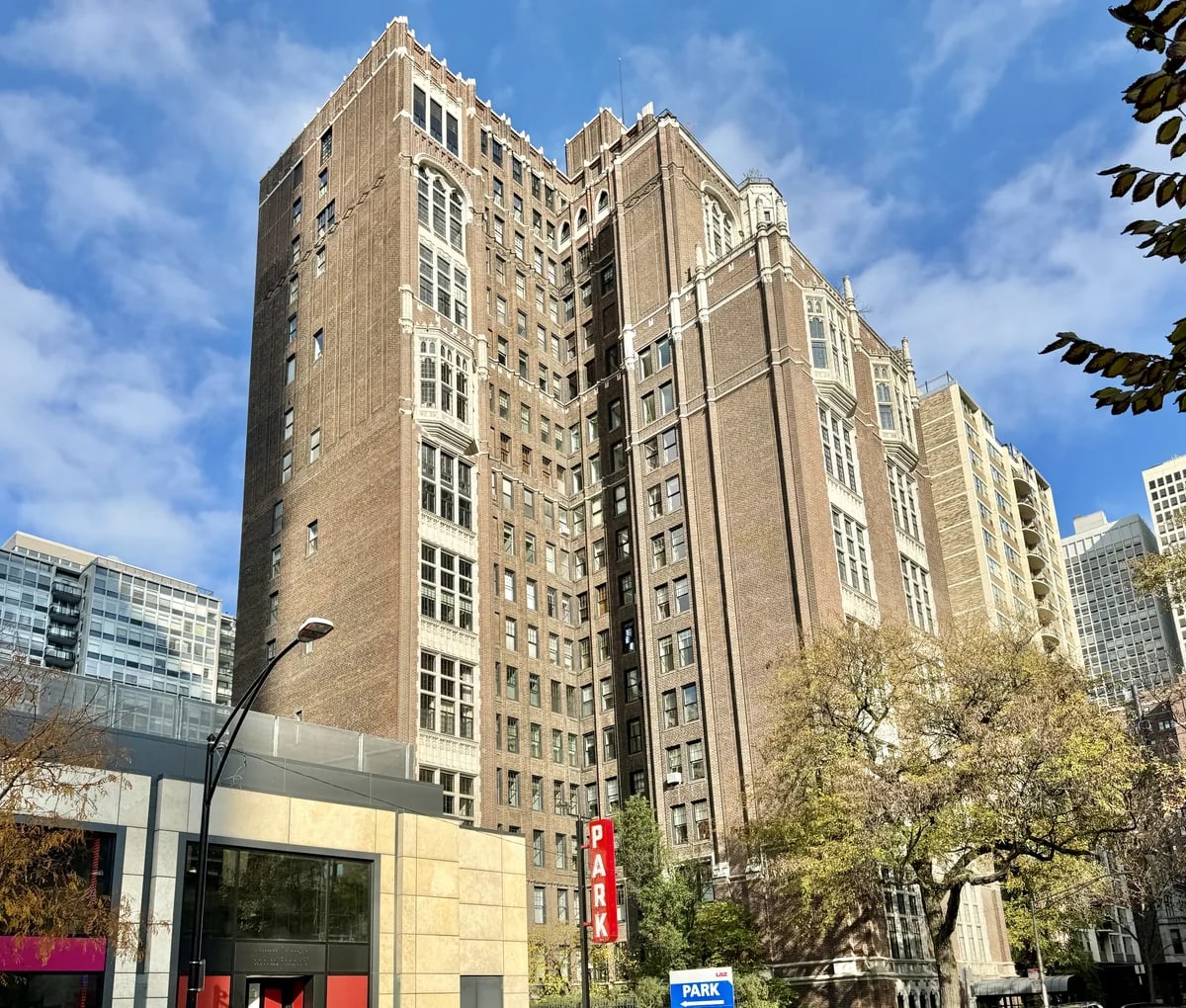
The 1920s brought brick and limestone high-rises to Lake Shore Drive and the side streets near the lake. Many have larger units, fewer units per floor and plenty of period detail. Some are condominiums. Others are cooperatives, where you buy shares in the building corporation, the board usually approves each buyer, and fewer lenders make the loans.
Lake Shore Drive towers
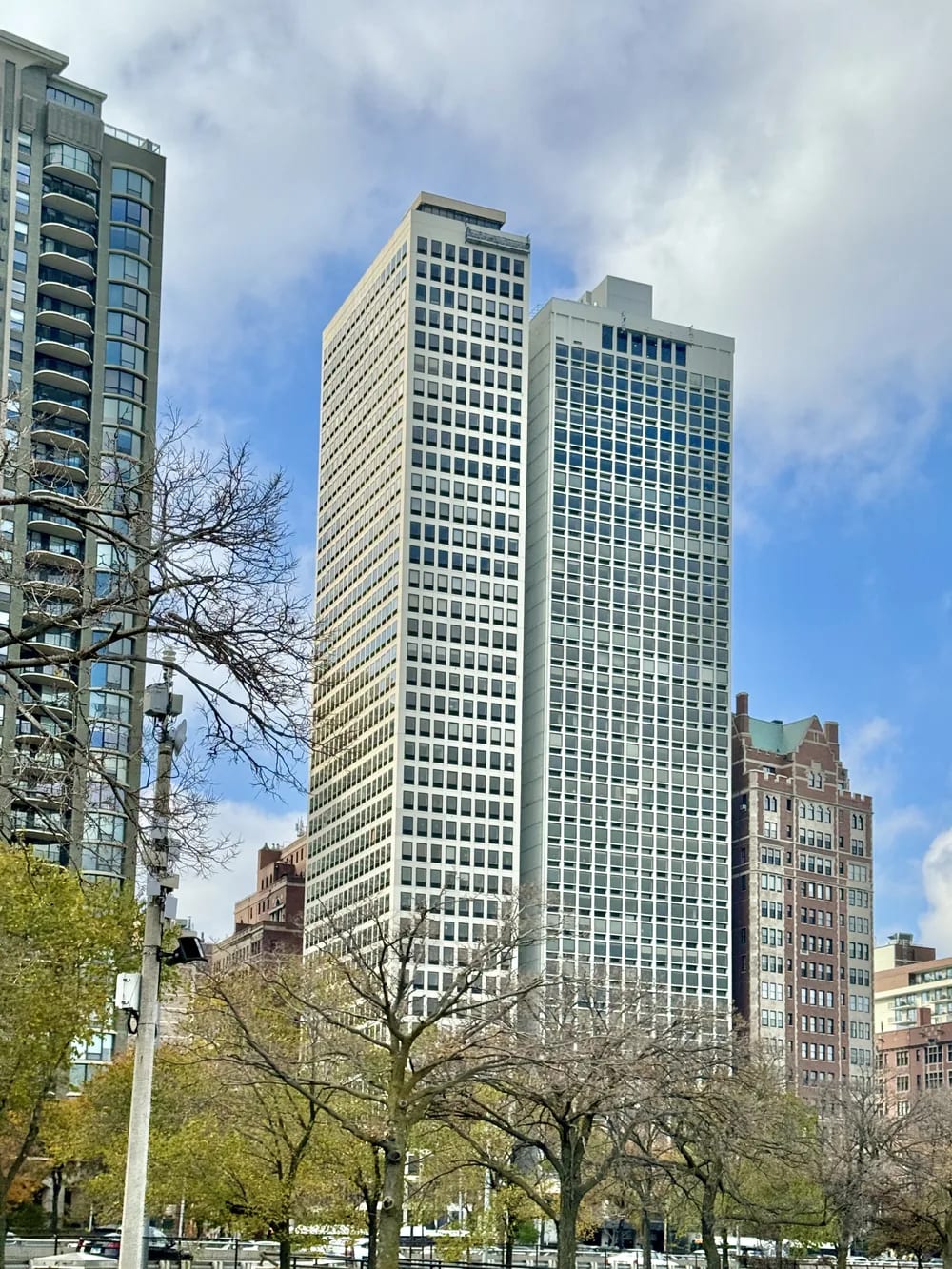
Along the Drive, the scale jumps to full-service towers from the 1960s through the 1980s. Depending on the building, that can mean door staff, garage parking, a pool or fitness room, and lake or skyline views from upper floors.
If you're shopping for a unit, start with my page on Gold Coast condos for sale. My post on Gold Coast condo math covers the monthly costs to plan for.
Curious what your Gold Coast home is worth, or what you can buy here? Call or text me at 312-219-5921, or request a home valuation.
Streets, Shops and Dining
Daily errands in the Gold Coast mostly happen on foot.
Oak Street runs along the south edge of the neighborhood and is its main shopping street. Michigan Avenue and the Magnificent Mile start at its east end.
Rush, Division and Elm hold the busiest stretch of restaurants and bars, with State Street close by. On a weekend evening, this corner of the neighborhood is a lot livelier than the residential blocks a few minutes north. That's worth knowing when you compare buildings.
Dining. The mix runs from long-running Chicago steakhouses to casual spots and cafes. For my picks, see the top 10 restaurants in the Gold Coast. Old Town, River North, Streeterville and Lincoln Park are all close if you want more choices.
Culture. The Three Arts Club building at 1300 N Dearborn St, designed by Holabird & Roche, was built in 1914 and is a Chicago Landmark. The International Museum of Surgical Science is also in the neighborhood, and the Newberry Library sits just to the south on Walton Street. The Museum of Contemporary Art Chicago is a short walk south in Streeterville.
Getting Around the Gold Coast
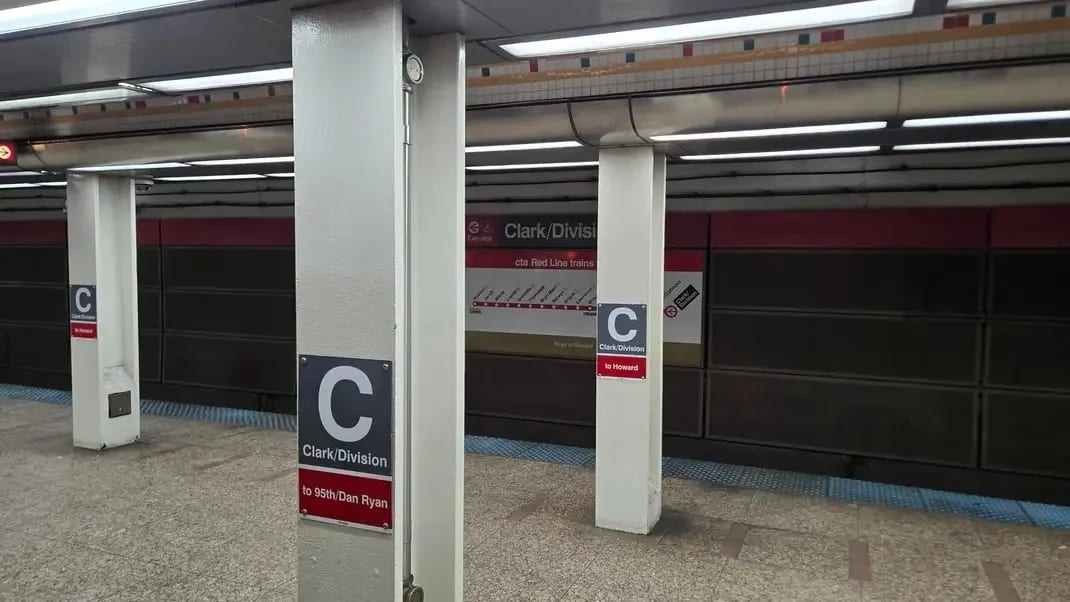
CTA Red Line. The Clark/Division station is a subway stop at 1200 N Clark St, with entrances at Clark and Division and at LaSalle and Division. The LaSalle entrance is accessible. CTA lists bus connections to the #22, #36, #70 and #156. The Chicago station at State Street and Chicago Avenue is the next stop south.
#22 Clark: Stops along Clark Street at North Avenue, Goethe, Schiller, Burton, Division, Elm and Oak.
#36 Broadway: Runs on Clark from North Avenue to Division, then east on Division and south on State Street, with stops at State and Elm and at State and Oak.
#151 Sheridan: Stops along the Inner Drive from North Avenue to Oak, including Burton, Schiller, Goethe, Scott, Division, Elm and Cedar.
#156 LaSalle: Stops on LaSalle Street from North Avenue to Oak.
#70 Division and #72 North: Crosstown routes heading west from Clark Street.
Express buses: The #143, #146, #147 and #148 stop on Michigan Avenue at Delaware and at Chestnut, just south of Oak Street.
Driving: Lake Shore Drive has a full interchange at LaSalle Drive and North Avenue, plus a southbound exit and northbound entrance at Michigan Avenue and Oak Street.
Routes and stops can change, so check transitchicago.com before you plan a commute around a specific stop.
Parks, Beaches and the Lakefront
For a lot of my clients, the lake is the reason they look here.
Oak Street Beach sits where Oak Street meets Lake Shore Drive. The beach began in the 1890s as part of a Lincoln Park Commission landfill and breakwater project, and the Chicago Park District, formed in 1934, runs it today. It's close to the Magnificent Mile, so a beach morning can turn into lunch or a museum stop.
North Avenue Beach is a short walk north, at the foot of North Avenue.
The Lakefront Trail runs along the shore past both beaches. Head south toward Navy Pier and the Museum Campus, or north through Lincoln Park. The views change with the seasons, and the trail is busiest on summer weekends.
Lincoln Park's main grounds begin across North Avenue, two blocks north of the Charnley-Persky House, with gardens, paths and more lakefront.
Washington Square Park, at 901 N Clark St across Walton Street from the Newberry Library, is one of Chicago's oldest parks. It's a smaller, shadier counterpoint to the lakefront, just south of the neighborhood's southwest corner.
Seeing the Gold Coast Beyond the Listing
The best way to understand the Gold Coast is to walk it. Start at the lake in the morning, follow the side streets west past Astor and State Parkway, and come back to Rush and Division in the evening. You'll see how much a few blocks can change.
When you tour homes here, a few questions come up again and again:
- Lake or transit? Some buildings are steps from the beach. Others are steps from the Red Line. Few are both.
- Busy or calm? Visit at more than one time of day. A block near Rush and Division can feel very different on a Saturday night than on a Tuesday morning.
- Building rules. Ask about assessments, door staff, parking, and leasing and pet rules. They vary a lot from building to building.
- Condo, co-op or house? Each comes with different paperwork, approvals and financing.
- Older systems. Houses and vintage buildings from the 1880s to the 1920s need careful inspections of plumbing, electrical, roofs and masonry.
Buying or Selling in the Gold Coast
Because Gold Coast homes range from landmark houses to high-rise studios, the right plan depends on the building type.
If you're buying a condo, I start with the association: budget, reserves, special assessments, and leasing and pet rules. I also check whether the building is lendable. If you're buying a co-op, I help you prepare the board package and the interview. If you're buying a house in the Astor Street District, I check landmark status before you plan any exterior work. Learn how my buyer representation works.
If you're selling, pricing depends on close comparisons: the same building, floor range and view line for a condo, or the same block for a house. I pull current MLS sales for your property instead of relying on neighborhood averages. See how I help you sell a home in the Gold Coast.
FAQ
Is the Gold Coast part of the Near North Side?
Yes. The Gold Coast is a neighborhood inside the Near North Side community area, on the lakefront at its north end. The Gold Coast Historic District is roughly bounded by North Avenue, Lake Shore Drive, Oak Street and Clark Street, with Lincoln Park to the north and Streeterville to the south.
How did the Gold Coast get started?
After the Great Chicago Fire of 1871, Lake Shore Drive opened from North Avenue to Oak Street in 1875. In 1882, Potter Palmer began building a mansion on the Drive, and large houses soon filled Astor Street. Apartment buildings and high-rises followed in the 20th century.
What is the Charnley-Persky House?
It's an 1892 townhouse at 1365 N Astor St, designed by Louis Sullivan with a young Frank Lloyd Wright. It's a National Historic Landmark and a Chicago Landmark. The Society of Architectural Historians owns it, uses it as its headquarters and offers tours.
Which beaches are closest to the Gold Coast?
Oak Street Beach sits at Oak Street and Lake Shore Drive, at the neighborhood's southeast corner. North Avenue Beach is a short walk north at the foot of North Avenue. The Lakefront Trail connects them and continues north through Lincoln Park.
What should I check before buying an older Gold Coast home?
For a house or a vintage building, plan careful inspections of plumbing, electrical, roofs and masonry. In the Astor Street District, exterior changes go through city landmark review. For a vintage condo or co-op, review the association's budget, reserves and rules before you make an offer.
Thinking about buying or selling in the Gold Coast? Call or text Daniel at 312-219-5921 or send Daniel a message. You can also find Daniel on Google.
About Daniel Ledo: Daniel Ledo is a Broker with The ZIP Group team at RE/MAX Premier, with 10 years serving Chicago clients. He works in English and Spanish and helps buyers and sellers in the Gold Coast, Lincoln Park, Old Town and across Chicago's North Side, from vintage condos and co-ops to lakefront high-rises and single-family homes. Call or text 312-219-5921, visit ledorealestate.com, or stop by 1207 N Dearborn St, Chicago, IL 60610.
Equal Housing Opportunity. Brokerage: RE/MAX Premier.