

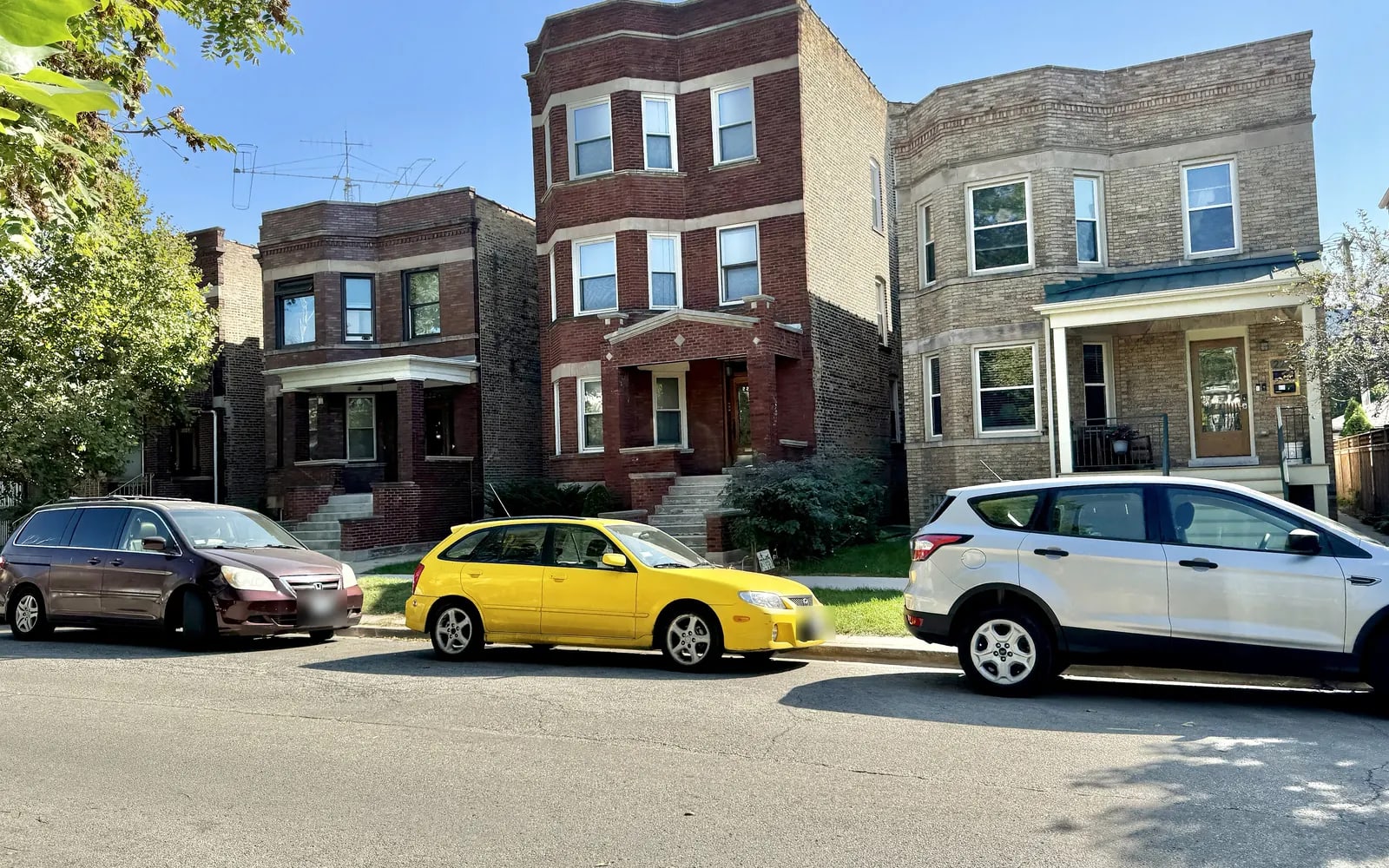

Multi-unit properties in Chicago, and the classic North Side 2-flat in particular, are one of the few ways to own a home and collect rent from the same address. I walk these buildings with buyers in Lincoln Square, Ravenswood, Rogers Park, Uptown and Lakeview, and the ones that work out are rarely the ones with the nicest kitchen. They're the ones where the rent roll, the mechanicals, the porches and the zoning all hold up. This guide covers what I look at on a 2-flat before anyone writes an offer, and what to confirm with your lender and attorney along the way.
In this guide:
- What a Chicago 2-flat actually is
- Where to look on the North Side
- Read the rent roll against the leases
- The building: porches, masonry, roof and heat
- Utilities and meters
- Zoning, legal units and the garden unit question
- Chicago's ADU rules: what may be possible
- Living there and renting the other unit
- Financing an owner-occupied 2-flat
- FAQ
What a Chicago 2-Flat Actually Is
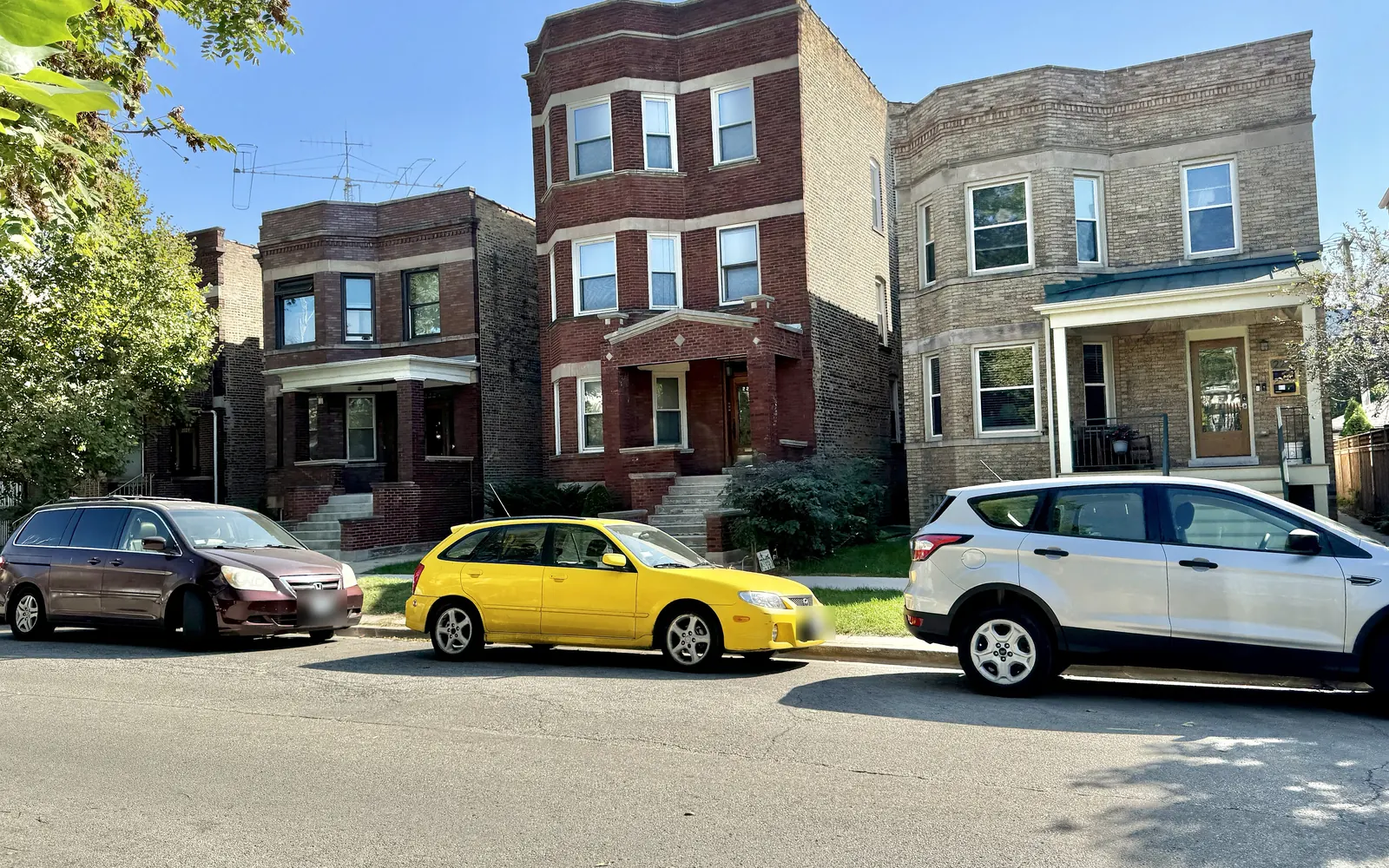
A 2-flat is a two-unit building with one full-floor apartment stacked on top of another, usually with a front entrance shared by both units, a back stair, and a basement underneath. Most of the ones I see on the North Side were built in the early 1900s, in red or yellow brick or with a limestone "greystone" front. Three-flats follow the same stacked layout with one more floor.
Because each unit takes up a whole floor, layouts tend to repeat: living and dining in front, bedrooms off a hallway, the kitchen and back porch at the rear. That makes it easy to compare one building to the next. It also means two buildings that look the same from the sidewalk can be very different underneath, depending on what's been updated, permitted and maintained.
Where to Look on the North Side
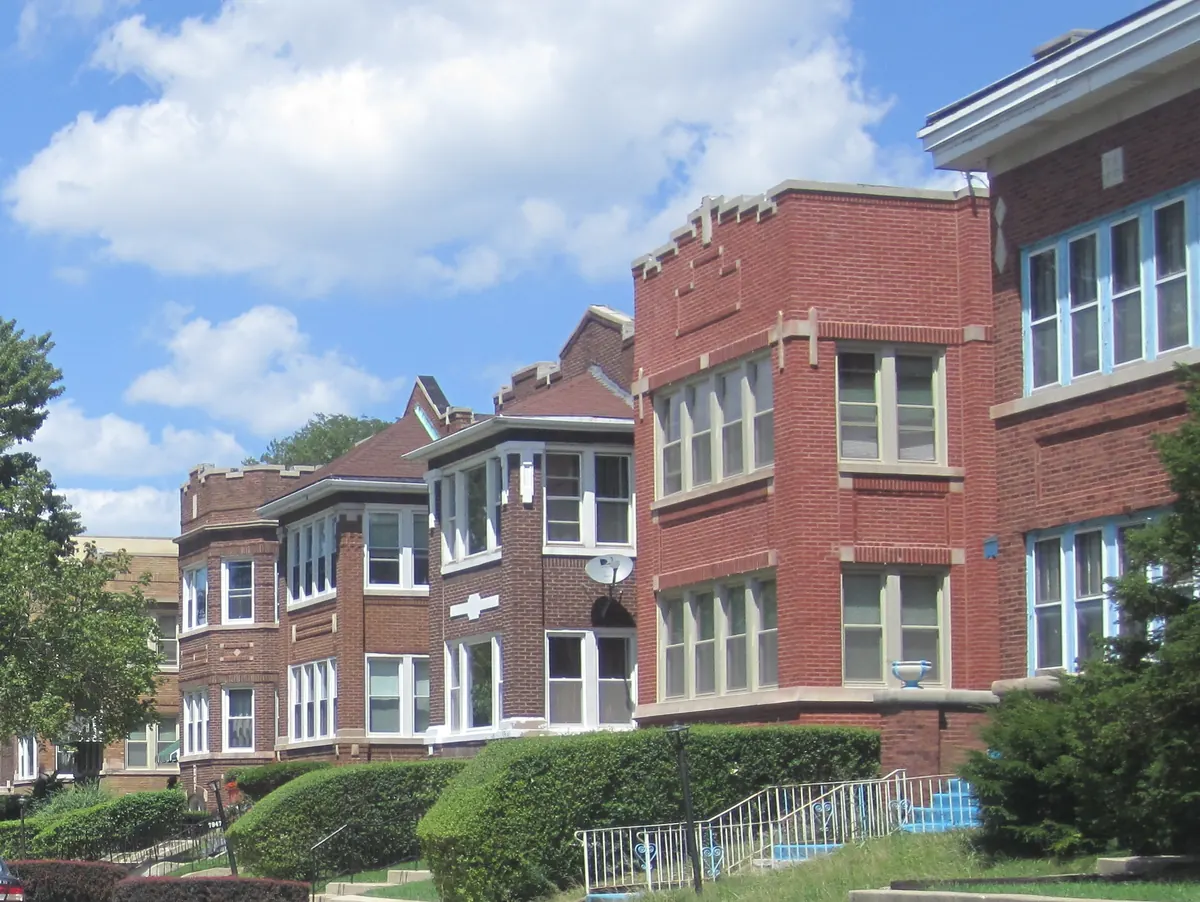
The North Side neighborhoods I spend the most time in with 2-flat buyers each have their own feel:
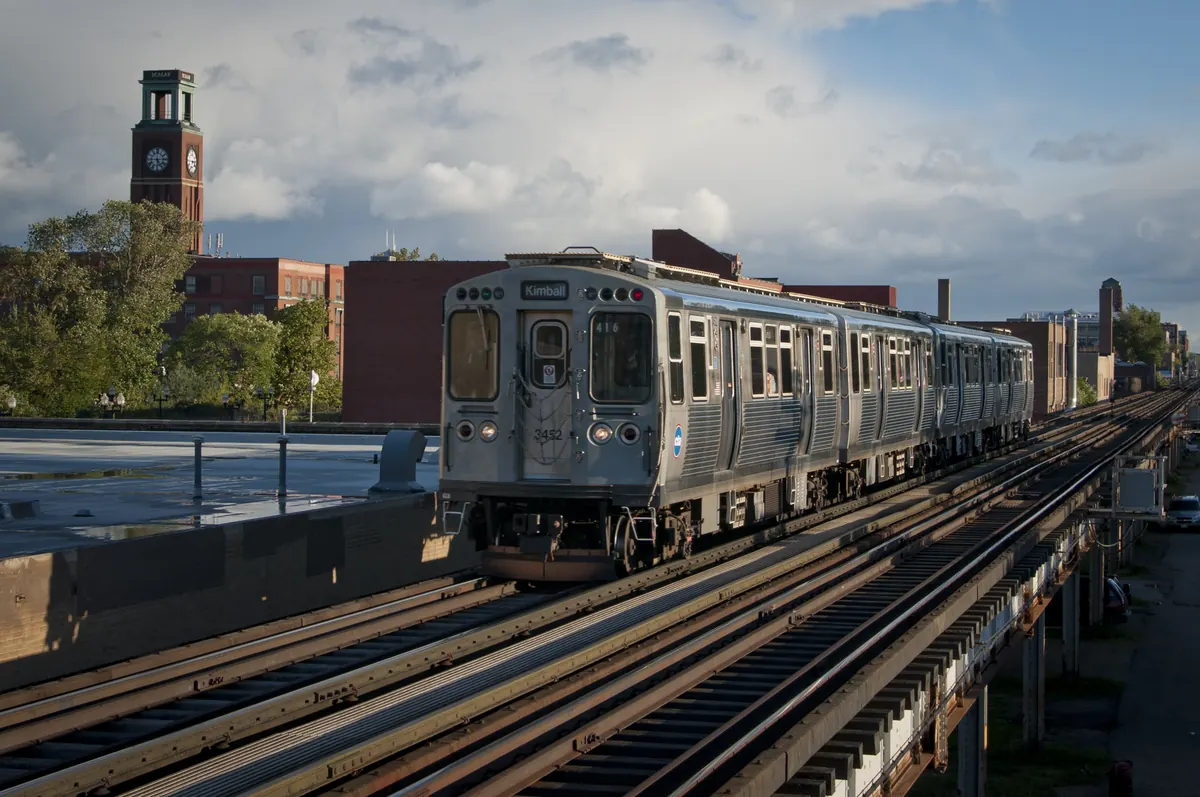
- Lincoln Square and Ravenswood: long blocks of brick 2-flats and 3-flats on side streets like Eastwood Avenue and Hermitage Avenue, close to the CTA Brown Line and the Metra Ravenswood station.
- Rogers Park: a mix of 2-flats, larger vintage courtyard buildings and newer construction, with the Red Line and the Metra Rogers Park station nearby.
- Uptown, including Sheridan Park: vintage 2-flats on the side streets west of Broadway, with Red Line stops at Lawrence, Argyle and Wilson. See my Uptown neighborhood page for more on the area.
- Lakeview: fewer 2-flats come up here, and they tend to move quickly when they do.
Prices, days on market and inventory change from block to block, so I pull current MLS numbers for the exact streets you're considering instead of relying on neighborhood averages. If you're still deciding between areas, my post on the top Chicago neighborhoods for real estate investment is a good next read.
Read the Rent Roll Against the Leases
A listing will often show a rent figure for the unit you won't live in. That number is a starting point, not a fact. During the deal, I ask for:
- The rent roll, showing who pays what, the lease dates and any concessions.
- Copies of the actual leases, to check that the rent, end date and terms match the rent roll.
- How security deposits are held, and how they'll be credited or transferred at closing.
- What the tenant pays for, such as heat, electricity and parking, versus what the owner pays.
If the second unit is vacant, I compare it with recent leases of similar units nearby so you're working from real numbers. If you're weighing whether to buy at all, my rent vs. buy in Chicago 2026 post walks through that decision.
The Building: Porches, Masonry, Roof and Heat
On a hundred-year-old 2-flat, the big costs are usually outside the units. These are the items I want the home inspector, and sometimes a specialist, to look at closely.
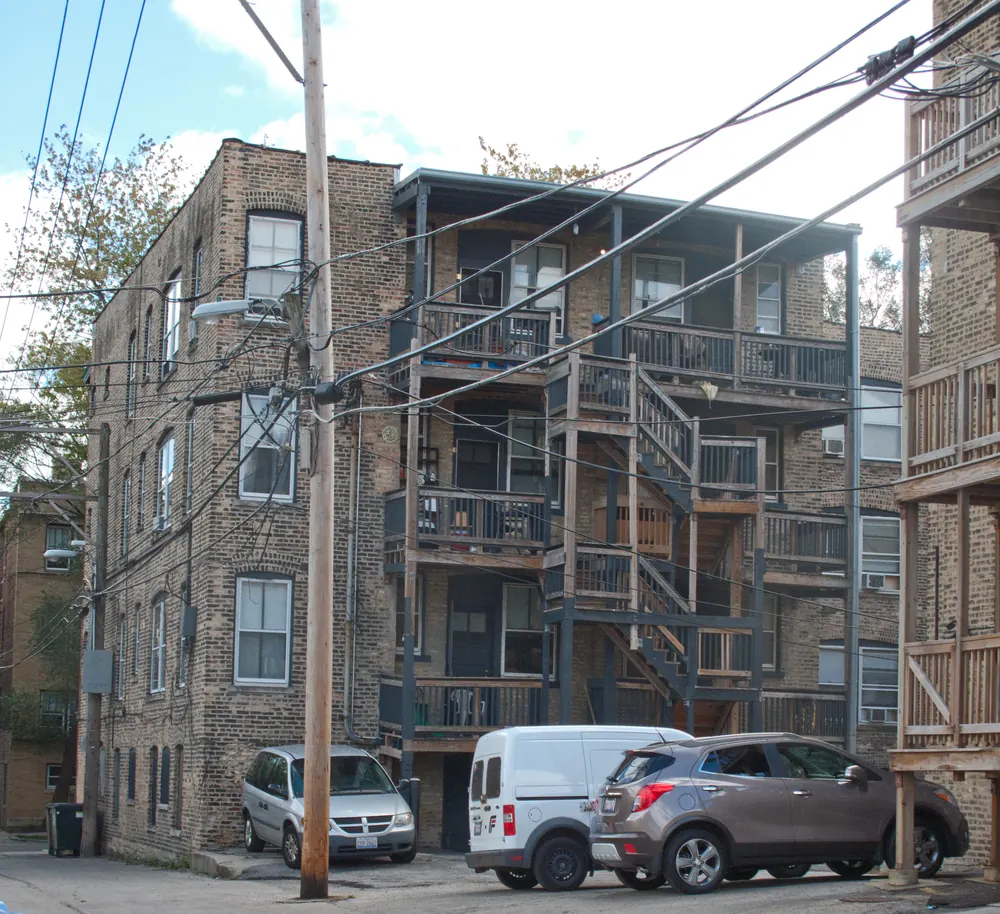
Back porches. Many Chicago 2-flats have wood rear porches that serve both units. Check their condition, and ask whether any rebuild was done with a permit. You can search past permits for an address on the City of Chicago's building permits data.
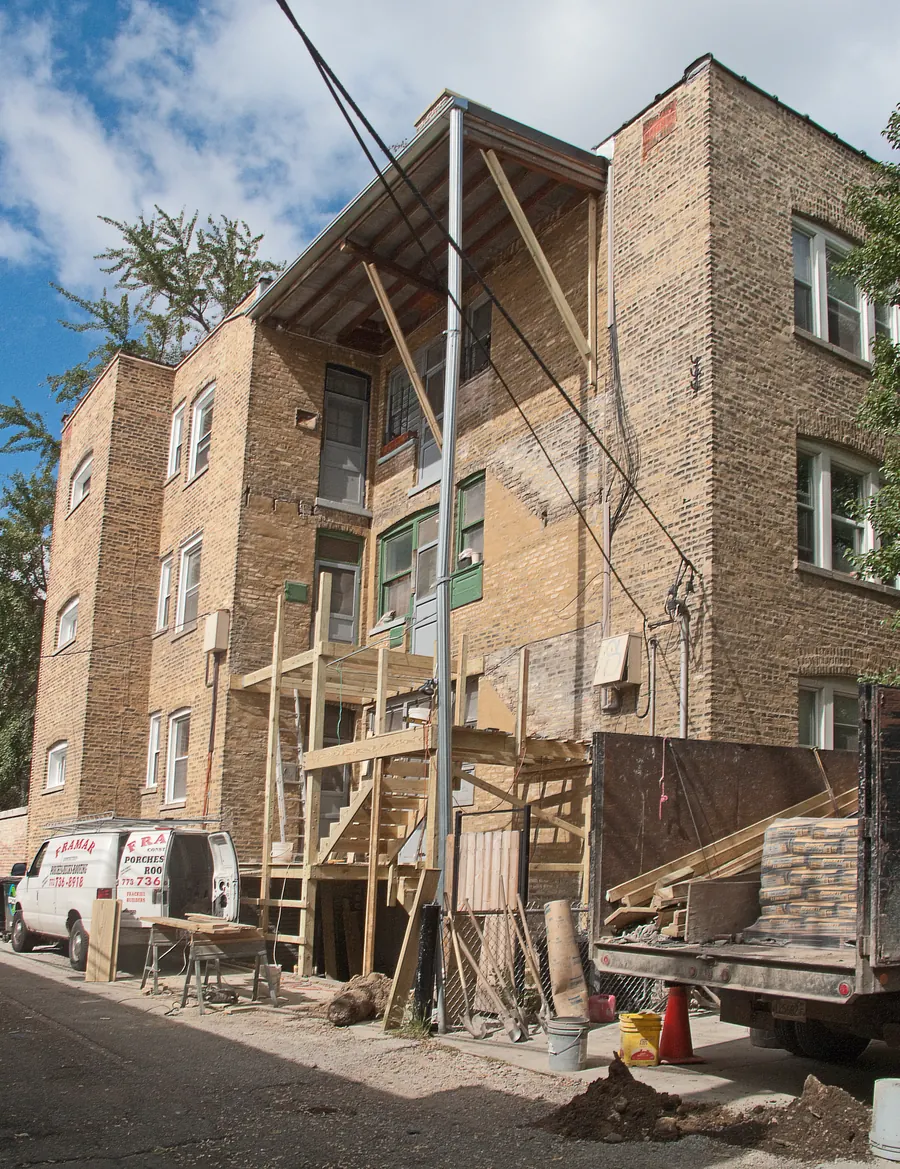
Masonry and parapets. Look at the mortar joints, the lintels over the windows and the top of the walls. Tuckpointing is a normal part of owning a brick building, and the inspection tells you whether it's coming soon.
Roof. Most 2-flats have a flat or low-slope roof. Ask how old it is and look at how water drains off it.
Heat. Some buildings have one boiler for both units and some have a separate furnace for each. Either can work, but it changes who pays for heat and what the lease should say.
Utilities and Meters
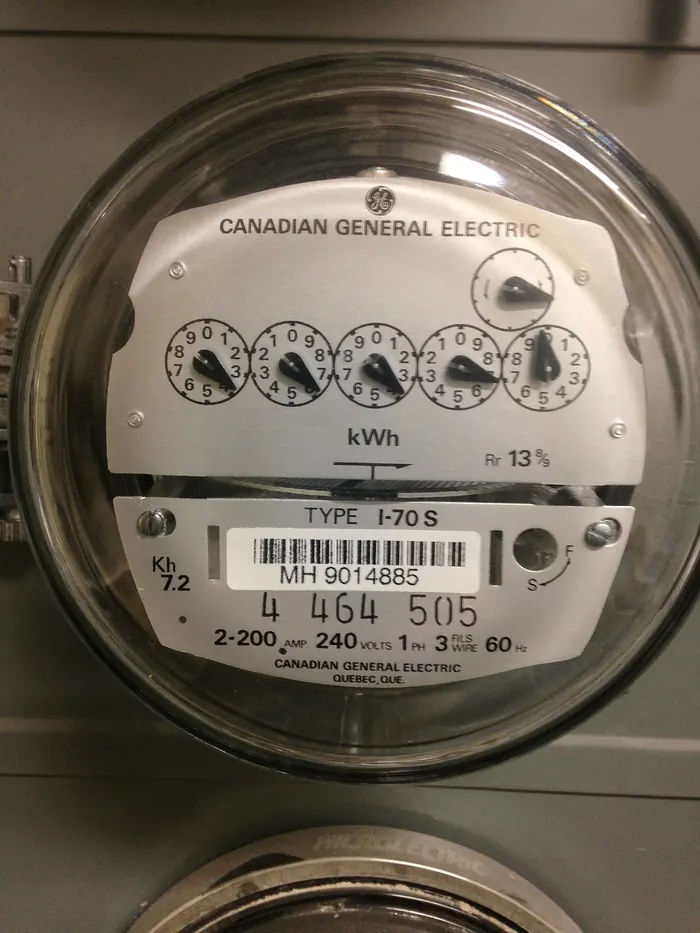
Separate utilities make a 2-flat simpler to own and easier to rent. On a showing I check how many electric meters and gas meters there are, and whether each unit has its own water heater and heating system. If they're shared, the owner usually pays that bill, which affects your numbers.
Zoning, Legal Units and the Garden Unit Question
A lot of North Side 2-flats have a finished basement, and some listings describe a "garden unit" or a "third unit." Before counting that space as rent, confirm how many units are legal for the building. Check the zoning for the address on the City of Chicago zoning map, look at the permit history, and have your attorney review it during attorney review. A basement that was converted without permits can create problems with insurance, financing and the city.
Pull the property tax history too. The Cook County Assessor shows the building's assessed value and exemptions, and the Cook County Treasurer shows the tax bills and payments.
Chicago's ADU Rules: What May Be Possible
In September 2025, Chicago City Council voted to expand the city's Additional Dwelling Unit (ADU) ordinance beyond its original pilot areas. ADUs come in two types: a conversion unit inside the existing building, such as in a basement or attic, and a coach house, which is a separate structure on the lot.
According to the City of Chicago's ADU requirements page, ADUs are allowed by right in multi-unit, mixed-use and certain business and commercial zoning districts. In RS (single-unit residential) districts, they're allowed only in areas City Council has designated as "ADU-Allowed RS Areas," and some of those have extra limits, such as yearly caps per block or an owner-occupancy rule. For a conversion unit, the main building must be at least 20 years old, and the number of units you can add depends on how many legal units are already there.
The process starts with pre-certification from the Department of Housing, and building permits from the Department of Buildings come after that. The city notes that pre-certification doesn't guarantee a project can go ahead. So treat an ADU as something to research for a specific address, not as a unit you can count on. Start with the city's ADU eligibility page and talk to an architect before you pay for that potential in your offer.
Living There and Renting the Other Unit
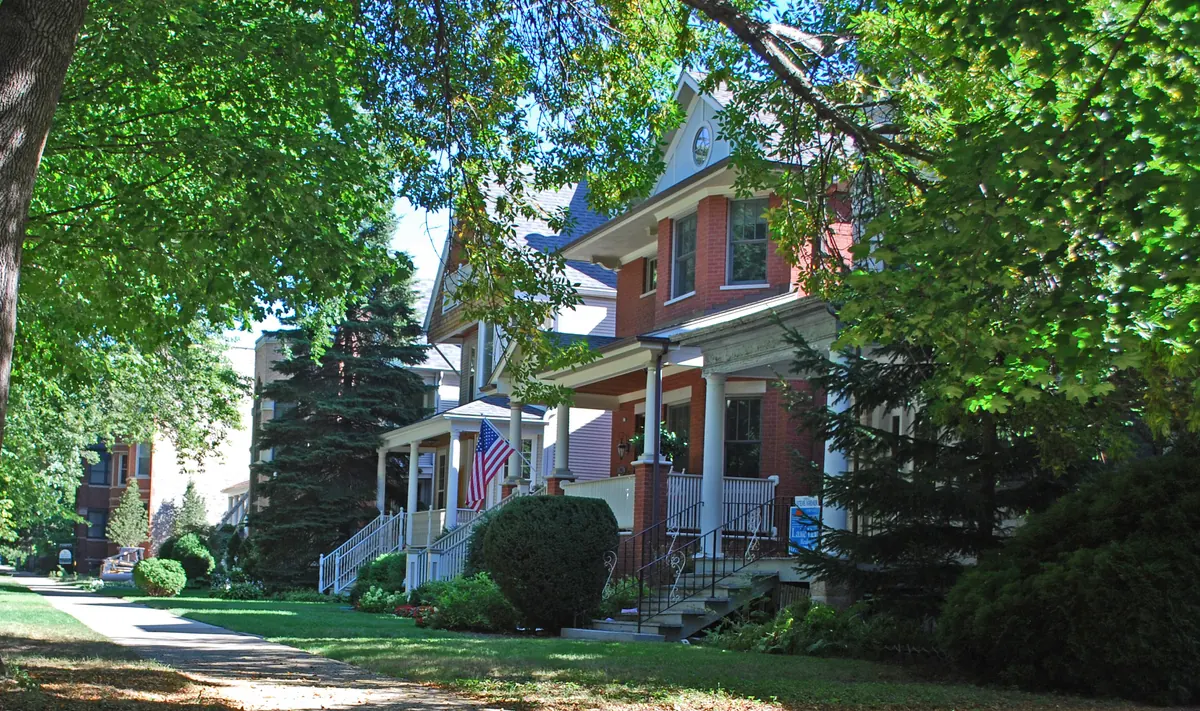
Living in one unit and renting the other, sometimes called house hacking in Chicago, is the most common way my buyers use a 2-flat. It also changes which landlord rules apply.
Chicago's Residential Landlord and Tenant Ordinance (RLTO) covers most rentals in the city. The city says it does not cover units in owner-occupied buildings with six units or fewer, though some sections of the city code still apply to those units. Whether the exemption fits your situation depends on the details, and the rules have changed over the years, so confirm it with a real estate attorney before you sign your first lease. The city's resources for 2-4 unit owners page is a good place to start.
Financing an Owner-Occupied 2-Flat
There are loan programs for owner-occupied 2-4 unit buildings, and some lenders can count part of the expected rent from the other unit when you qualify. The rules, down payments and rent credit differ by program and lender, so talk to a lender who regularly finances Chicago 2-flats before you start touring. Bring the rent roll and leases to that conversation if you have them.
When you're ready to look, here's how I represent buyers, from the first showing through closing.
FAQ
What is a 2-flat in Chicago?
A 2-flat is a two-unit building with one full-floor apartment above the other, usually with a shared front entrance, a back stair and a basement. Many on the North Side were built in the early 1900s in brick or with a greystone front. A 3-flat follows the same stacked layout with a third floor.
Does Chicago's landlord-tenant ordinance apply if I live in my 2-flat?
The City of Chicago says the Residential Landlord and Tenant Ordinance does not cover units in owner-occupied buildings with six units or fewer, though some sections of the city code still apply to those units. The details matter, so confirm with a real estate attorney before you lease the other unit.
Can I add a basement unit or coach house to a Chicago 2-flat?
Possibly. Chicago's ADU rules allow conversion units and coach houses by right in multi-unit, mixed-use and certain business and commercial districts, and only in designated areas of RS (single-unit residential) districts. The process needs city pre-certification and building permits, so check eligibility for the exact address before you count on it.
How do I know how many legal units a 2-flat has?
Check the zoning for the address on the City of Chicago zoning map, look at the permit history, and have your attorney review it during attorney review. Don't count a basement or garden unit as rent until you've confirmed it's legal.
Thinking about buying a 2-flat or other multi-unit property on Chicago's North Side? Call or text Daniel at 312-219-5921 or book a consult.
You can also find me on Google.
Worked with Daniel? A quick Google review helps neighbors find a trusted local agent: leave a Google review.

About Daniel Ledo: Daniel Ledo is a Broker with Ledo Group and RE/MAX Premier, with 10 years serving Chicago clients. His office is at 1207 N Dearborn St in the Gold Coast, and he helps buyers and sellers in the Gold Coast, Lincoln Park, Old Town and across Chicago's North Side, from vintage condos and co-ops to lakefront high-rises, houses and multi-unit buildings, with homes from $500K to $3M. Call or text 312-219-5921, visit ledorealestate.com, or stop by 1207 N Dearborn St, Chicago, IL 60610.
Equal Housing Opportunity. Brokerage: RE/MAX Premier.
Ledo Group and RE/MAX Premier · 1207 N Dearborn St, Chicago, IL 60610 · (312) 219-5921