


A well-prepared Gold Coast listing makes its strongest features easy to see, from natural light and architectural details to a practical floor plan. Start with focused repairs, thoughtful furniture placement and a pricing strategy grounded in comparable sales. These steps can help your home make a clear, memorable first impression online and in person.
Start With What Makes the Home Distinctive
Before buying accessories or booking a photographer, take a walk through your home as if you were seeing it for the first time. Notice where your eye goes, how comfortably you move between rooms and which details deserve attention. In a Gold Coast condo or home, that might be a generous window, an interesting architectural feature or a well-planned living area.
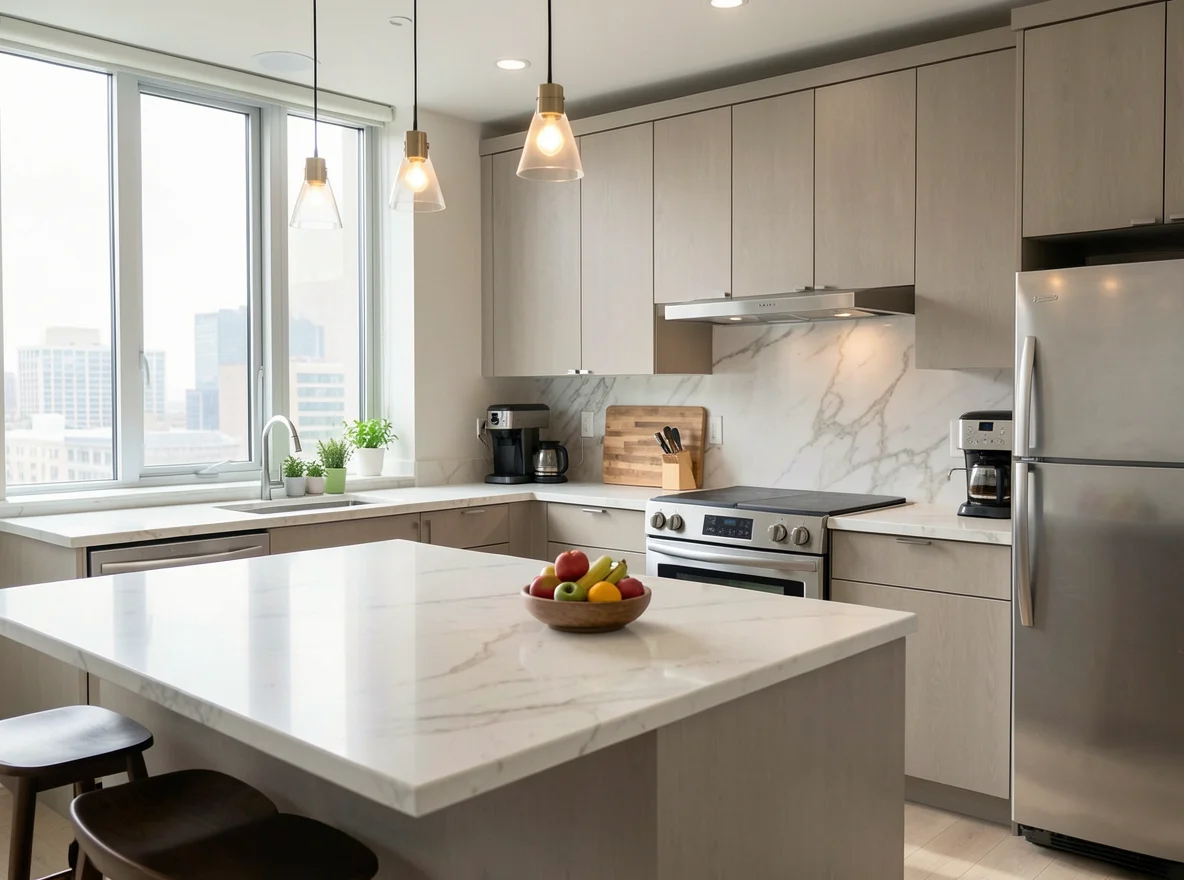
Choose a focal point for each main room and arrange furnishings to support it rather than compete with it. Pull a chair away from a window, remove a bulky side table or reposition a sofa to make the path through the room obvious. The aim is not to make every home look the same; it is to make its layout and character easy to understand.
Keep the scale of the furniture in mind, too. A room crowded with oversized pieces can feel difficult to navigate, while a completely empty room may leave its dimensions hard to judge. A few appropriately sized pieces can show how a living room accommodates seating or how a second bedroom could function as a workspace, without promising uses the building’s rules might restrict.
Pay particular attention to the first few steps inside. A clear entry, clean flooring and a place for the eye to land create a more coherent introduction than a hallway filled with coats, shoes and delivery boxes. If a closet is visible during showings, organize it enough to demonstrate its storage capacity without packing it tightly.
Start with the entry, living area and primary bedroom. These spaces establish the home’s flow in listing photos and give buyers useful context during a showing.
Make Repairs Before Adding Finishing Touches
Staging works best when the fundamentals are already in order. Walk through with a notepad and record loose handles, scuffed walls, dripping faucets, burned-out bulbs and doors that do not close properly. Small maintenance issues can distract from a home’s better features, so address the practical items before spending on decorative ones.
A thorough cleaning is equally important. Wash windows where accessible, clean grout, dust vents and light fixtures, and pay attention to surfaces that photograph prominently. If walls need refreshing, a consistent, restrained paint palette can connect rooms and make existing finishes easier to see. Choose colors that complement the flooring and cabinetry rather than assuming every surface needs to be white.
Decide Where Your Budget Matters Most
Not every listing needs a renovation. Compare the likely cost and disruption of a project with the condition of competing homes and your planned timing. A professional cleaning, minor paint touch-ups and updated light bulbs may be more practical than replacing an entire kitchen immediately before listing. For larger work, ask your agent which improvements are worth evaluating and obtain estimates before committing.
For condominium sellers, check association rules before scheduling work. Renovation approvals, contractor access, elevator reservations and permitted work hours may affect the calendar. Confirm requirements directly with the building or management company; the details can differ from one property to another.
Prepare the Kitchen and Baths for a Closer Look
Buyers often study these rooms carefully, both in photographs and during a tour. Start by clearing most countertop items so the available workspace is visible. Keep a few simple accents if they add warmth, but let the condition of the counters, cabinetry and fixtures do the talking.
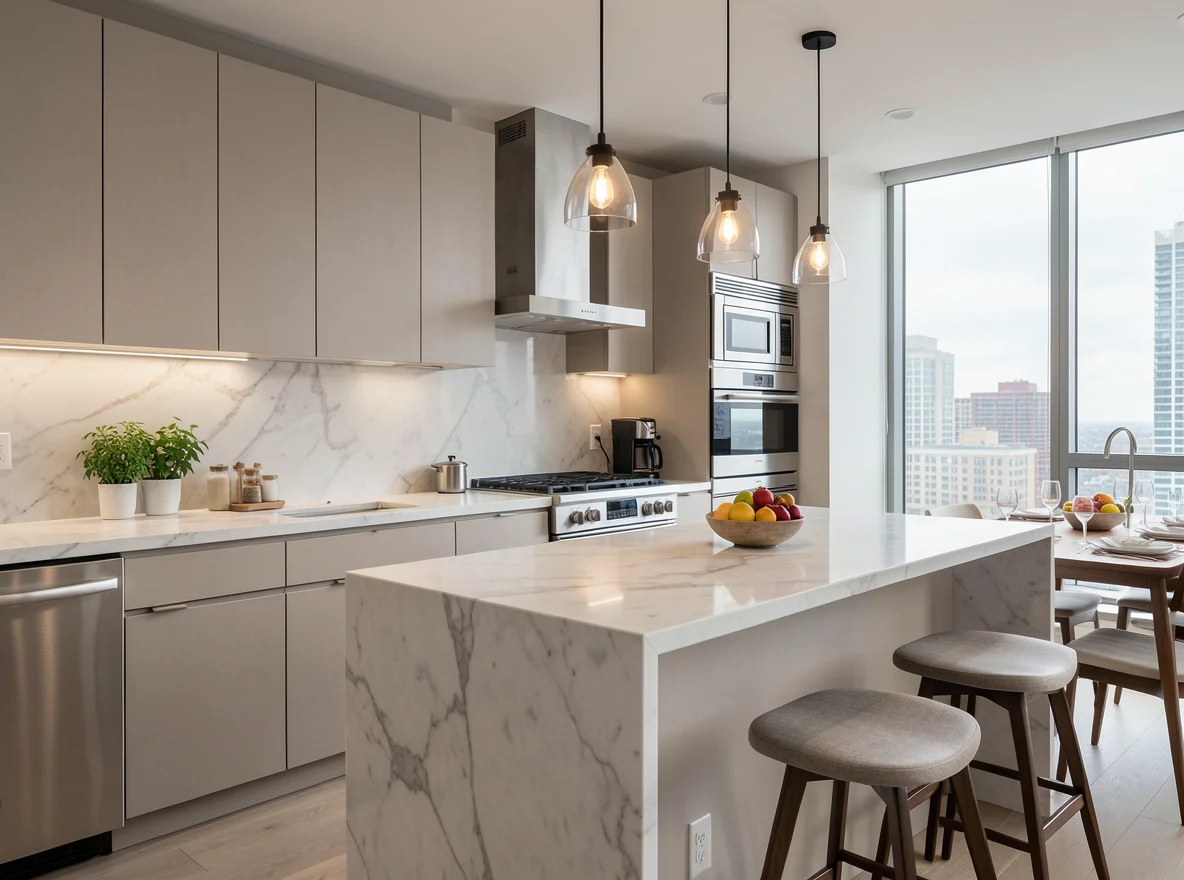
In the kitchen, clean appliance fronts and backsplashes, straighten pantry shelves and remove magnets or papers from the refrigerator. In bathrooms, replace worn towels, clear personal products from view and make sure mirrors and fixtures are clean. Check that drawers and cabinet doors open smoothly; buyers may want to understand the available storage.
Be candid about the condition of finishes. Staging can draw attention to a room’s strengths, but it should not conceal damage or substitute for appropriate disclosures. If a countertop is worn or an appliance needs attention, discuss the best way to handle it with your agent before photography and showings begin.
Lighting deserves a final check in every room. Open blinds or curtains where doing so improves the view and light, and use working bulbs with a consistent color temperature. Visit at different times of day to see how the light changes. If a room is darker than expected, a well-placed lamp can make it easier to see without disguising the space.
Price for the Property, Not Just the Presentation
Excellent staging and photography can bring a listing’s features into focus, but they do not replace a sound asking price. Review recent comparable sales with your agent, along with active listings that buyers may consider alongside yours. Look beyond neighborhood labels: building, floor plan, square footage, condition, floor level and views can all affect how useful a comparison is.
Condo-specific costs and details matter as well. Assessments, included amenities, parking arrangements and any known special assessments can shape a buyer’s evaluation of the total cost. Gather accurate information before launch and be prepared to distinguish what is included with the sale from what may be available separately.
A similar-looking condo is not automatically a strong price comparison. Review its building, condition, monthly assessment and included parking alongside the sale price.
Discuss a pricing range and launch plan with Daniel Ledo before committing to major prep expenses. The right plan depends on the property and the current competition, not a fixed formula. Once the listing is active, review showing feedback and market response with your agent rather than assuming staging alone will resolve every concern.
Plan Photography, Showings and the Final Reset
Schedule photography after repairs, cleaning and staging are complete. Before the photographer arrives, clear kitchen and bathroom counters, make beds, hide cords where practical and remove personal paperwork. If the home has a notable view, balcony or outdoor space, make sure it is clean and accessible so those features can be documented accurately.
Keep the listing presentation honest. Photos should represent the home as it is, and any virtual staging should be clearly identified. Your agent can help coordinate photography and make sure the listing description highlights relevant features without overstating them. Confirm details such as room dimensions, parking and association information before they appear in marketing materials.
For showings, build a reset routine you can repeat quickly: open window treatments, turn on appropriate lights, clear surfaces and empty trash. Store valuables and sensitive documents securely, and make a plan for pets and personal items. Ask about building access procedures, showing hours and elevator arrangements so appointments can proceed smoothly.
Explore Gold Coast selling services
Thoughtful preparation is less about making a home unrecognizable and more about presenting it clearly. When repairs, staging, pricing and logistics work together, buyers can concentrate on the property itself. Start with the changes that reveal its best features, then build a listing plan around the details that make your home different.