

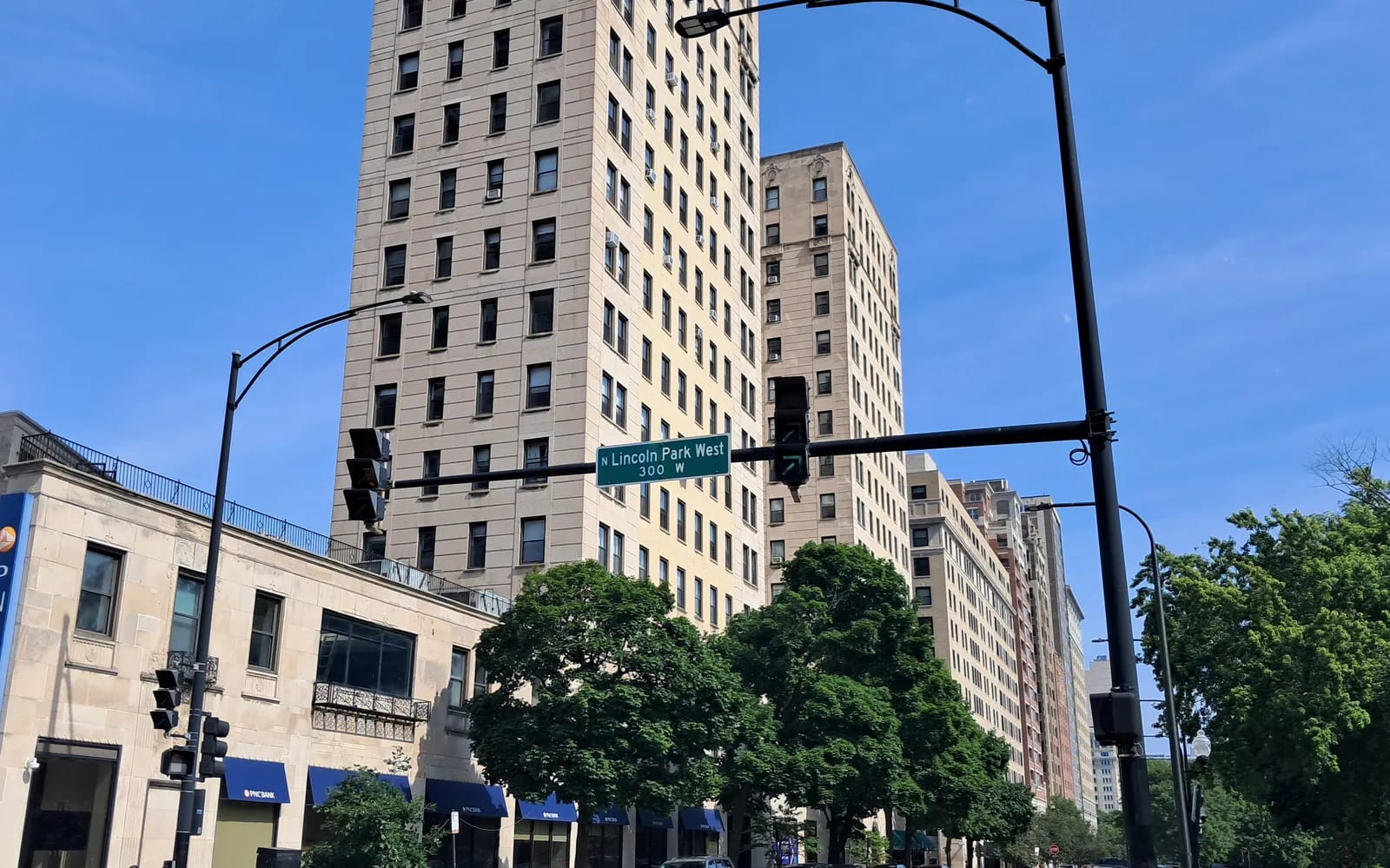

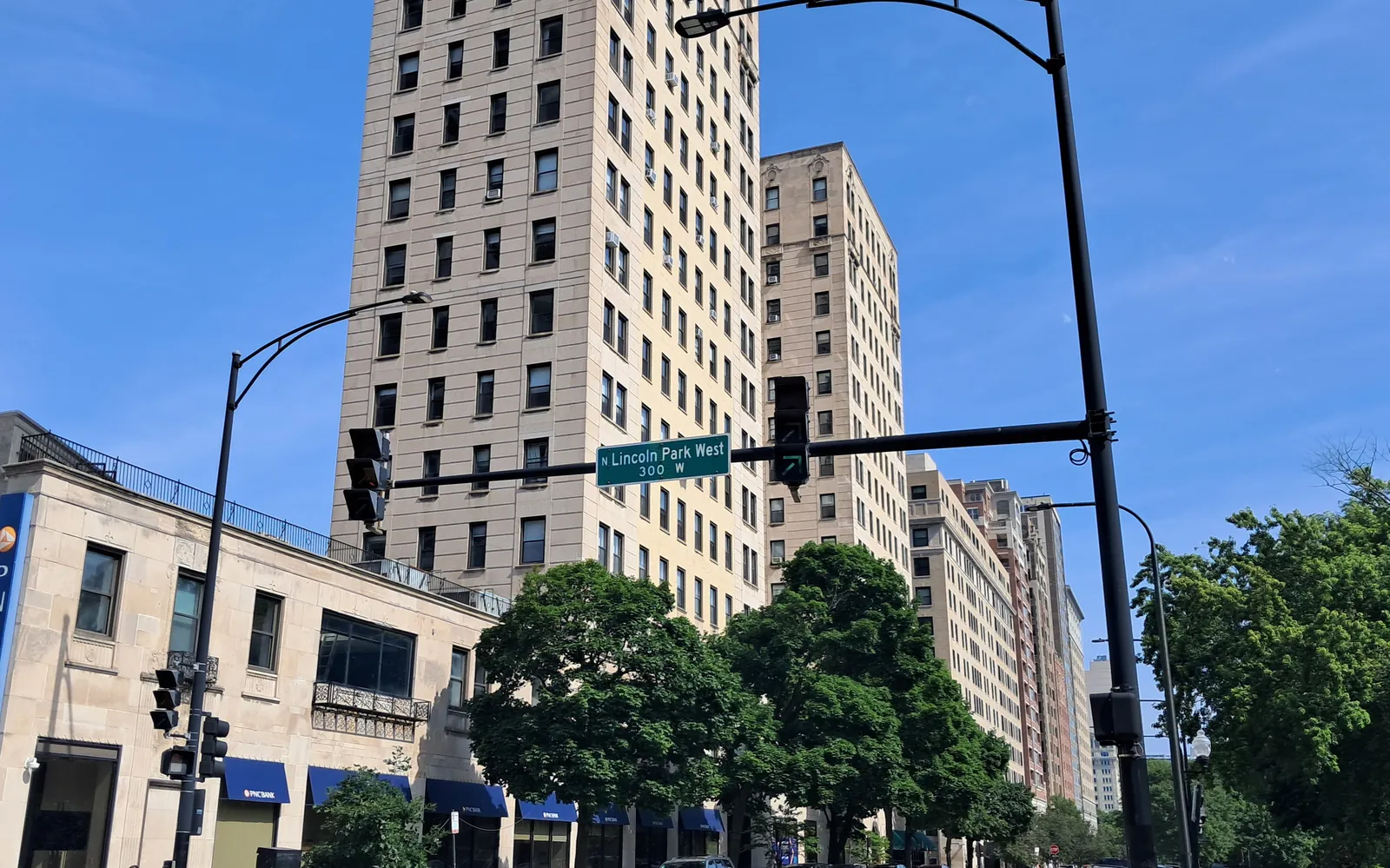
If you're weighing Old Town vs Lincoln Park condos, you're choosing between two neighbors that share a border, a park and a lot of history, but not the same buildings. Old Town is small, old and tightly packed around Wells Street. Lincoln Park is big, running from North Avenue up to Diversey and from the river to the lake, with everything from vintage walk-ups to lakefront towers. Here's how I compare them for condo buyers: where each one starts and ends, what the buildings are like, what the latest MLS numbers say, and the paperwork that decides most deals.
In this guide:
- Where each neighborhood starts and ends
- The buildings you'll tour
- Prices and assessments side by side
- Deal realities: 22.1 packages, reserves, rules and parking
- Daily life: Wells Street vs Armitage and the park
- How to choose
- FAQ
Where Each Neighborhood Starts and Ends for a Condo Buyer
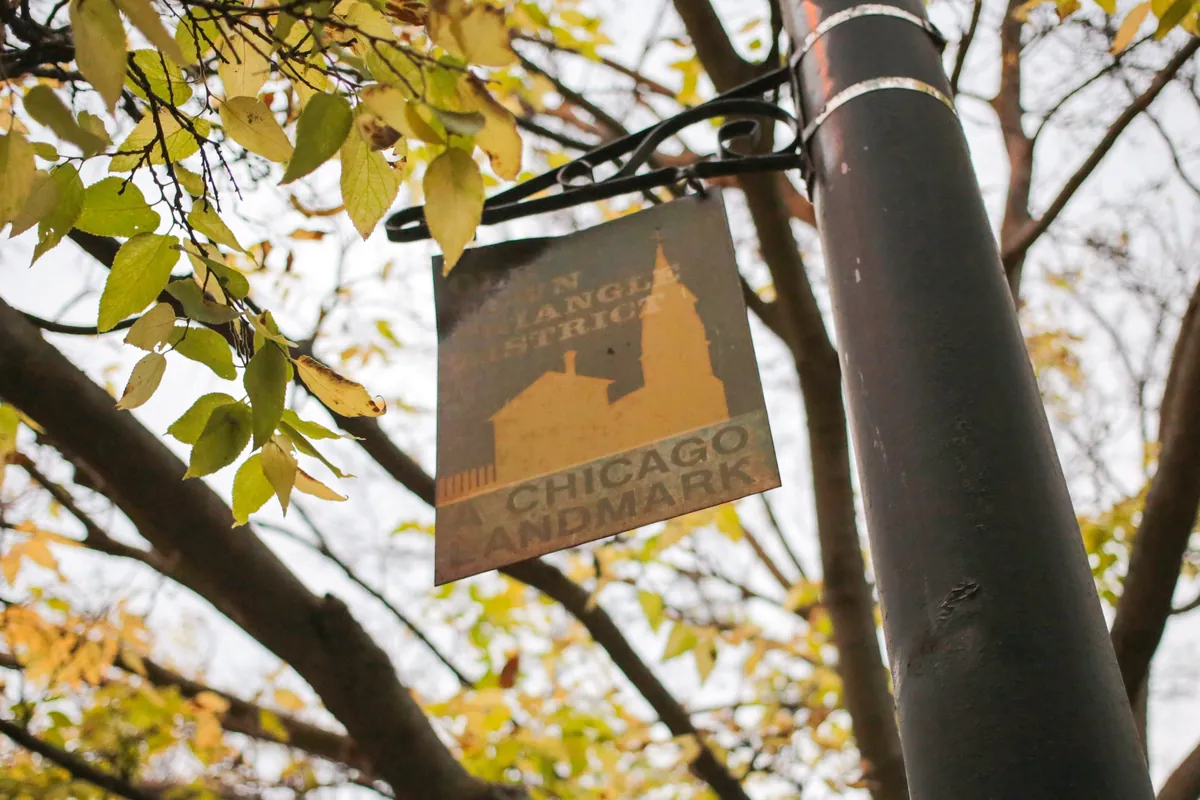
This trips people up on listing sites. Old Town isn't one of Chicago's official community areas. It straddles North Avenue: the part north of North Avenue sits inside the Lincoln Park community area, and the part to the south is in the Near North Side. The oldest section, the Old Town Triangle, is a Chicago Landmark district, so exterior work on buildings there goes through the city's landmarks review.
Lincoln Park, the community area, runs from North Avenue to Diversey Parkway and from the North Branch of the Chicago River to the lake. That's a much bigger map, and it means a "Lincoln Park" condo can be a walk-up near the river, a vintage courtyard unit off Clark or a high-rise on Lincoln Park West.
Why it matters: a listing tagged "Old Town" or "Lincoln Park" doesn't tell you the block. When I search for a buyer, I search by the streets and buildings they actually want, not by the label. You can see more on my Old Town page and my Lincoln Park page.
The Buildings You'll Tour
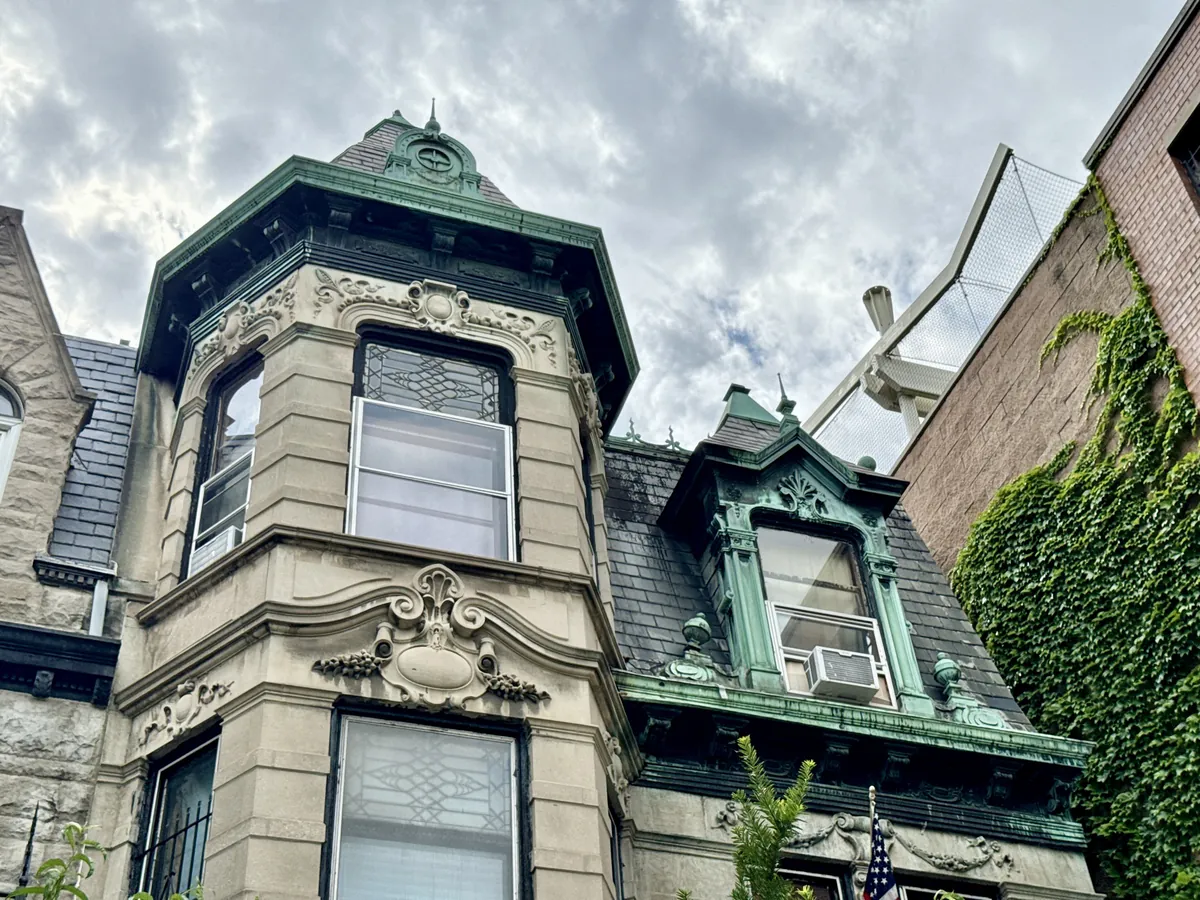
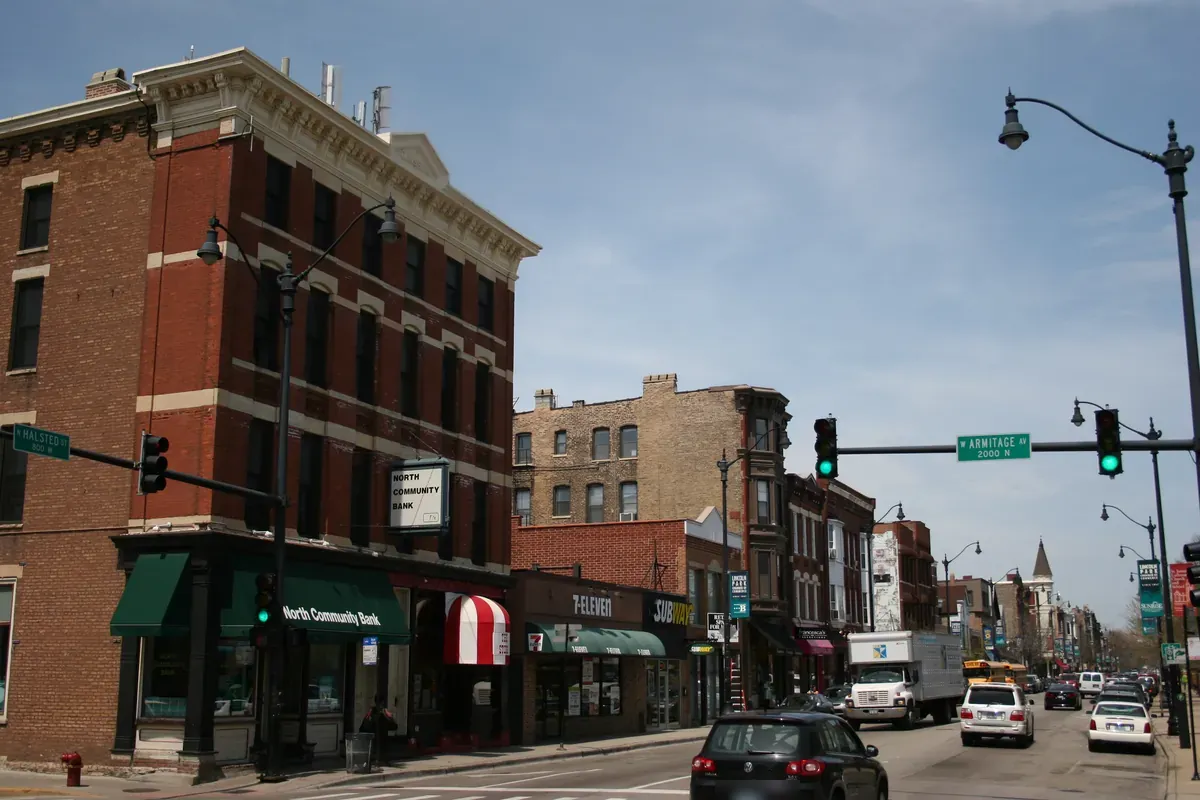
Old Town is mostly older, smaller buildings: brick and frame walk-ups, converted two- and three-flats, rowhouses, and a handful of mid-rise and newer buildings closer to the main streets. Many associations are small, sometimes only a few units, which shapes everything from how repairs get paid for to how easy the unit is to finance.
Lincoln Park gives you more range. You'll see greystone and brick conversions on the side streets, vintage courtyard buildings, newer mid-rises, and the high-rises along Lincoln Park West and the lakefront. A big association spreads costs across more owners and usually has a management company; a small one often relies on the owners themselves.
On a first tour, I look past the kitchen and ask about the building: how old the roof and masonry work are, who manages it, what the reserve fund looks like, and whether any big projects are coming. Two units with the same finishes can carry very different risk depending on the building around them.
Prices and Assessments Side by Side
These are condo, townhome and co-op sales from the MRED MLS for the last 12 months.
| Last 12 months | Lincoln Park | Old Town |
|---|---|---|
| Closed sales | 1,030 | 13 |
| Median sold price | $732,500 | $720,000 |
| Median price per sq ft | $460 | $434 |
| Median days on market | 7 | 8 |
| Median monthly assessment | $401 | $430 |
| Sales under $400K | 20% | 8% |
| Sales $400K to $700K | 28% | 38% |
| Sales over $700K | 52% | 54% |
| Active listings (Nov 2, 2026) | 72 | 4 |
| Months of inventory | 0.8 | 3.7 |
Source: MRED via ConnectMLS, closed sales 11/03/2025 to 10/30/2026, pulled Nov 2, 2026. Lincoln Park is MRED area 8007 (the Lincoln Park community area), which also includes the Old Town Triangle. Old Town counts only listings tagged with an "Old Town" subdivision name, so it's a small, partial sample and its medians can swing a lot. Price per square foot uses only sales that reported square footage. Days on market is MLS market time and can reset when a listing is relisted.
How I read it: both neighborhoods land in about the same place on median price, but Lincoln Park has far more sales and a wider spread, including a real slice of condos under $400K. Old Town has fewer units for sale at any moment, so you may wait longer for the right one. Before you make an offer, I pull the sales for your exact building and block, because a neighborhood median won't tell you what your unit is worth.
Deal Realities: 22.1 Packages, Reserves, Rules and Parking
Most condo surprises live in the association paperwork, not the unit. In Illinois, Section 22.1 of the Condominium Property Act lets a buyer get the key documents from the seller: the declaration and bylaws, the current budget, the reserve balance, any approved or pending special assessments, and any lawsuits involving the association. I go through that package with buyers during attorney review. My Gold Coast condo post walks through what to look for in it.
What I check in both neighborhoods:
- Special assessments. Ask what has been approved and what the board is discussing, such as masonry, roof or elevator work.
- Reserves. A thin reserve fund in an older building usually means a special assessment later.
- Leasing rules. Many declarations cap or limit rentals. If you might rent the unit later, read the rules before you buy.
- Pet and parking rules. Check whether parking is deeded (you own it), assigned or leased, and whether it's included in the price.
- Lendability. Small associations, buildings with many rentals and buildings in litigation can limit loan options. My post on what makes a Chicago condo lendable covers this, and it comes up more often with Old Town's small buildings.
For a fuller list of monthly and one-time costs, see Near North Side condo costs before making an offer.
Daily Life: Wells Street vs Armitage and the Park
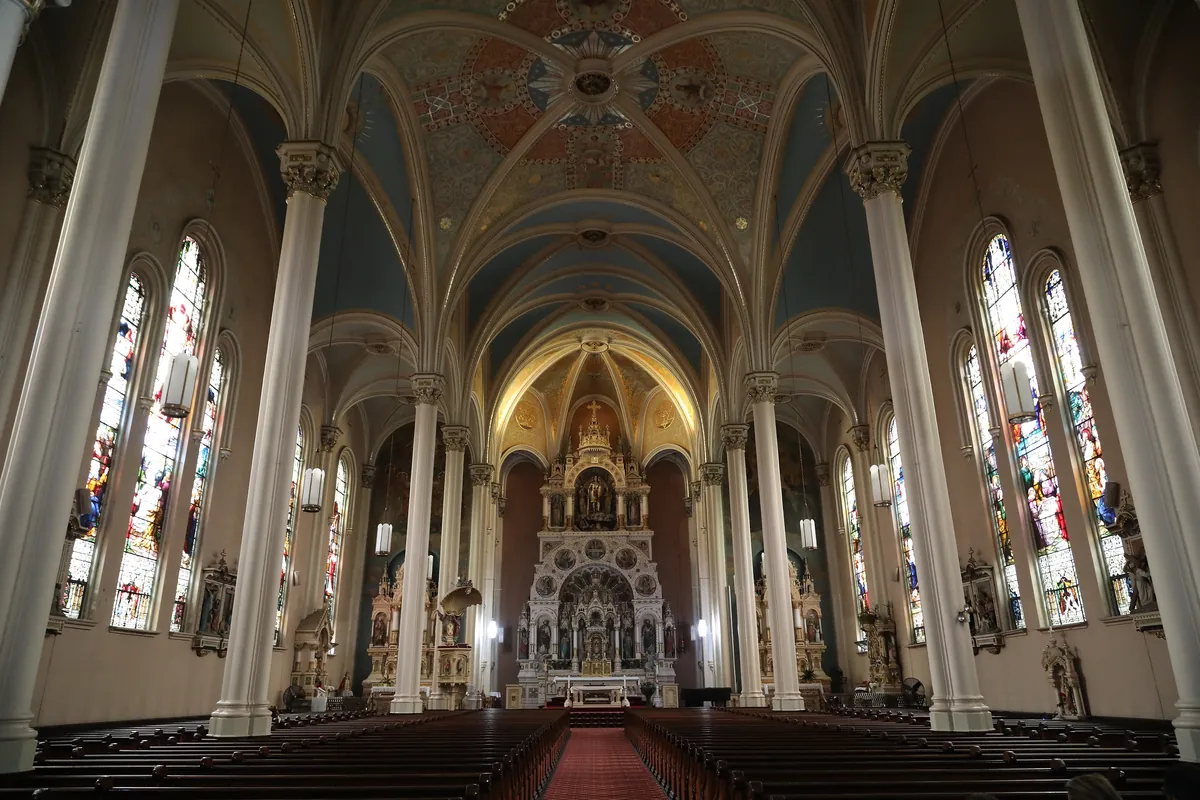
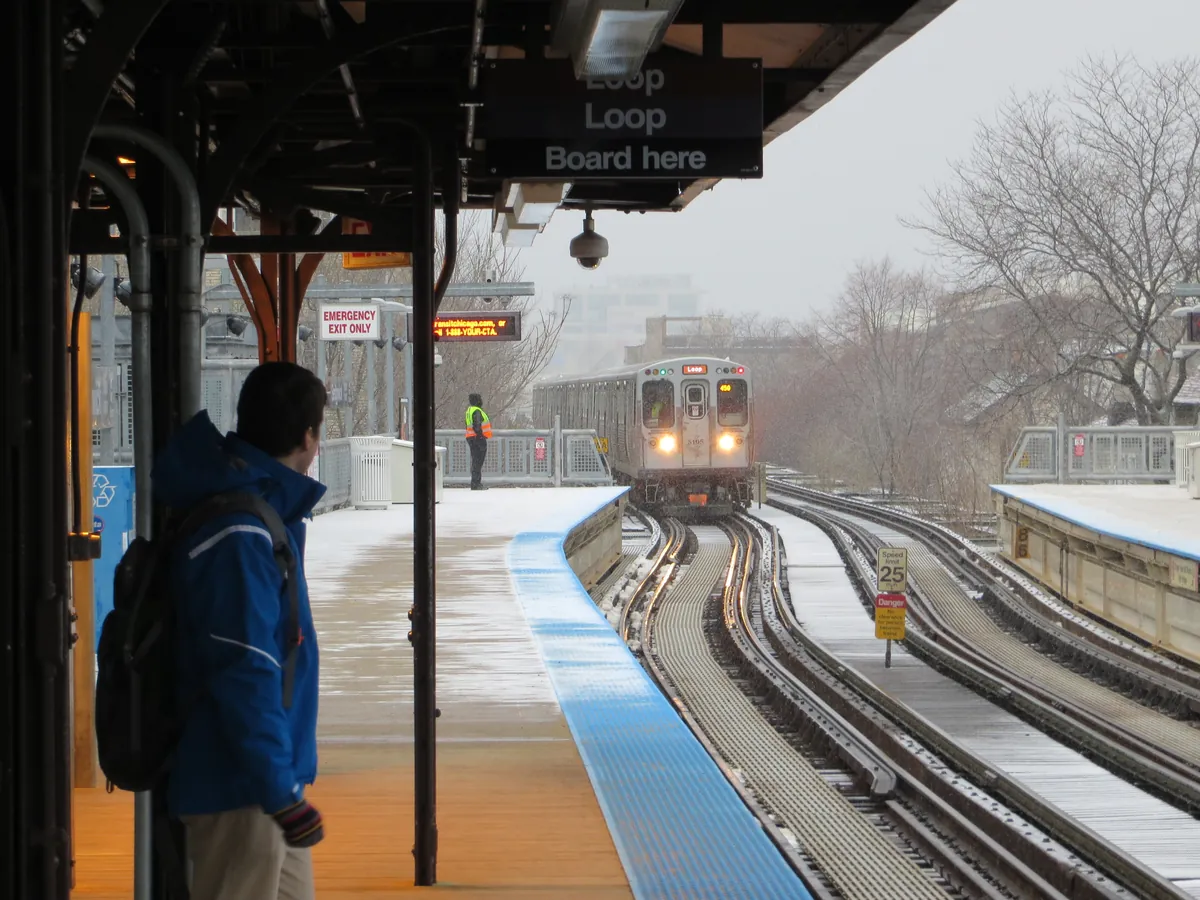
Old Town centers on Wells Street, with Second City near Wells and North Avenue, restaurants and small shops, and St. Michael's Church, one of the few buildings to survive the Great Chicago Fire. The CTA Brown Line stops at Sedgwick (the Purple Line Express also stops there during rush hours), and the Red Line is close at North/Clybourn and Clark/Division. The south end of Lincoln Park, the park, is a short walk east.
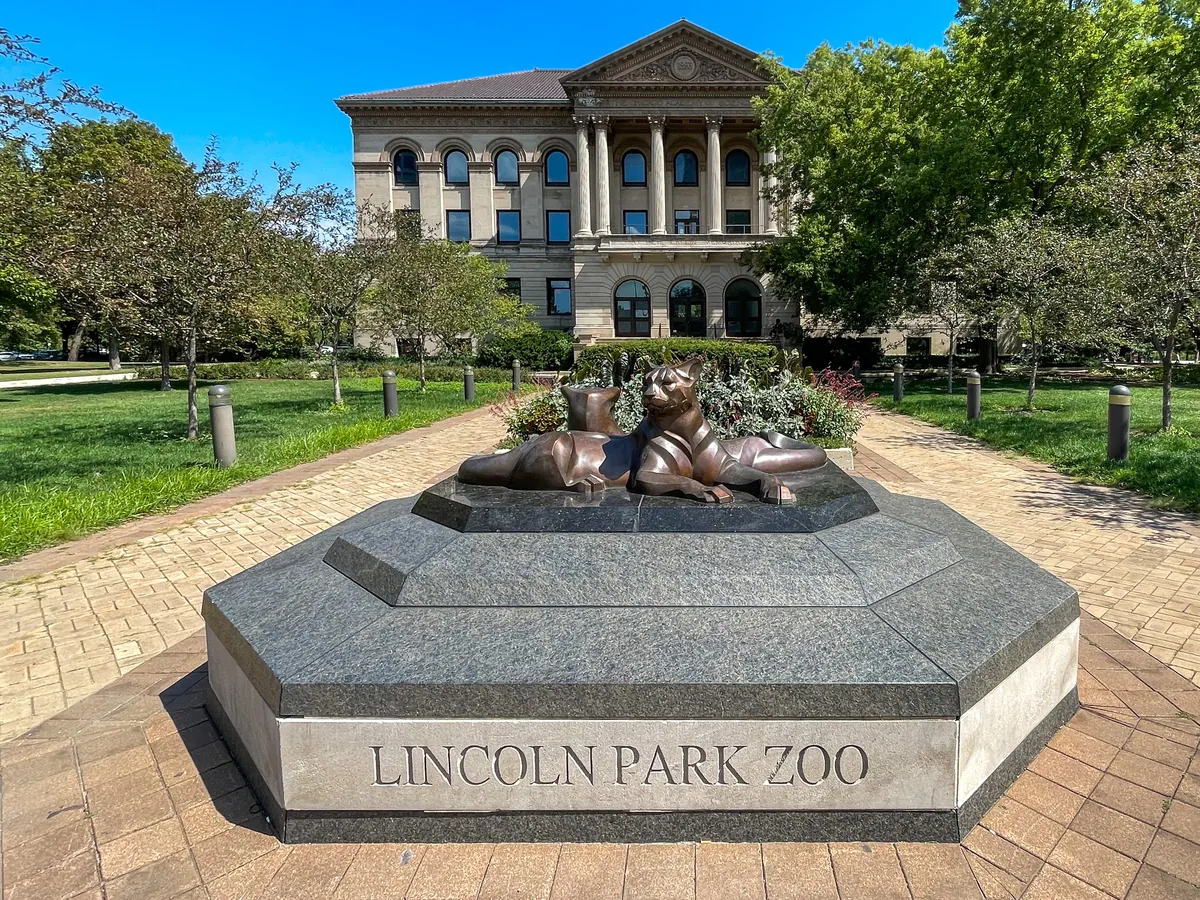
Lincoln Park is spread out, so daily life depends on the block. Near Armitage and Halsted you have shops and restaurants and the Armitage Brown Line stop. Farther north, Fullerton has Red, Brown and Purple Line service. Closer to the lake, you're near the park itself, the free Lincoln Park Zoo and the lakefront path.
If schools matter to you, check the exact address on Chicago Public Schools' school locator, since attendance boundaries can change from one block to the next.
How to Choose
I don't think one neighborhood is better. They fit different buyers' lists. A few questions usually sort it out:
- Do you want more choice, or a specific street? Lincoln Park has far more condos for sale at any time. Old Town has fewer, so patience helps.
- Big building or small? If you want a doorman, an elevator and a management company, you'll find more of them in Lincoln Park. If you like a small vintage building, both have them, but expect to read the association's finances more closely.
- How will you get around? Map your commute from the exact building to the Brown, Purple or Red Line.
- Might you rent it out later? Check the leasing rules before you fall in love with a unit.
If you're still deciding, my Old Town first-home guide and my post on buying in Lincoln Park go deeper on each one.
FAQ
Is Old Town part of Lincoln Park?
Partly. Old Town isn't an official community area. The section north of North Avenue, including the Old Town Triangle, is inside the Lincoln Park community area, and the section south of North Avenue is in the Near North Side.
Are condos cheaper in Old Town or Lincoln Park?
In the last 12 months of MRED MLS data (pulled Nov 2, 2026), the median condo, townhome and co-op sale was $732,500 in Lincoln Park and $720,000 in Old Town. Old Town's figure comes from only 13 sales, so the two are close and the building and block matter more than the neighborhood.
What are typical condo assessments in Lincoln Park?
The median monthly assessment on Lincoln Park condo, townhome and co-op sales over the last 12 months was $401, based on MRED MLS data pulled Nov 2, 2026. Assessments vary a lot by building, depending on amenities, staff, heat and the reserve fund, so check the budget for the building you want.
What is a 22.1 disclosure?
It's the set of association documents an Illinois condo seller provides under Section 22.1 of the Condominium Property Act, including the declaration and bylaws, budget, reserve balance, special assessments and any litigation. Review it with your attorney before your attorney review period ends.
Torn between Old Town and Lincoln Park? Call or text Daniel at 312-219-5921 or book a short call, and he'll pull the buildings and recent sales that match your budget.
You can also find me on Google.
Worked with Daniel? A quick Google review helps neighbors find a trusted local agent: leave a Google review.

About Daniel Ledo: Daniel Ledo is a Chicago real estate broker with Ledo Real Estate | Real Broker, LLC. He helps people buy, sell and rent homes, with a focus on condos, and works with investors and commercial clients too. He covers the Gold Coast, Lincoln Park, Old Town and Chicago's North Side. Call or text 312-219-5921 or visit ledorealestate.com.
Equal Housing Opportunity. Brokerage: Real Broker, LLC.
Ledo Real Estate | Real Broker, LLC · (312) 219-5921